
The lowest quoted piece price is not necessarily the lowest life-cycle cost for an injection molded plastic part. An overseas OEM must consider non-recurring tooling, resin and conversion cost, inspection, scrap, packaging, freight, inventory, engineering changes, maintenance, quality incidents, supply continuity and end-of-life handling over the part program. The right comparison is a controlled scenario using the same drawing, resin basis, forecast, delivery term, acceptance criteria and service assumptions.
For procurement, quality, engineering and product teams, the practical question is not whether one supplier can quote a lower number. It is whether the proposed part and supply route meet functional requirements at an acceptable cost and risk across launch, routine production and change events. This guide provides a buyer analysis framework without assuming universal prices, cycle times, tool life, tolerances, savings or compliance outcomes.
Requirement: compare equivalent technical and commercial scope. Recommendation: show one-time, recurring, risk and end-of-life costs separately before approving a supplier or tooling strategy.
01
1. Define the life-cycle boundary before calculating cost
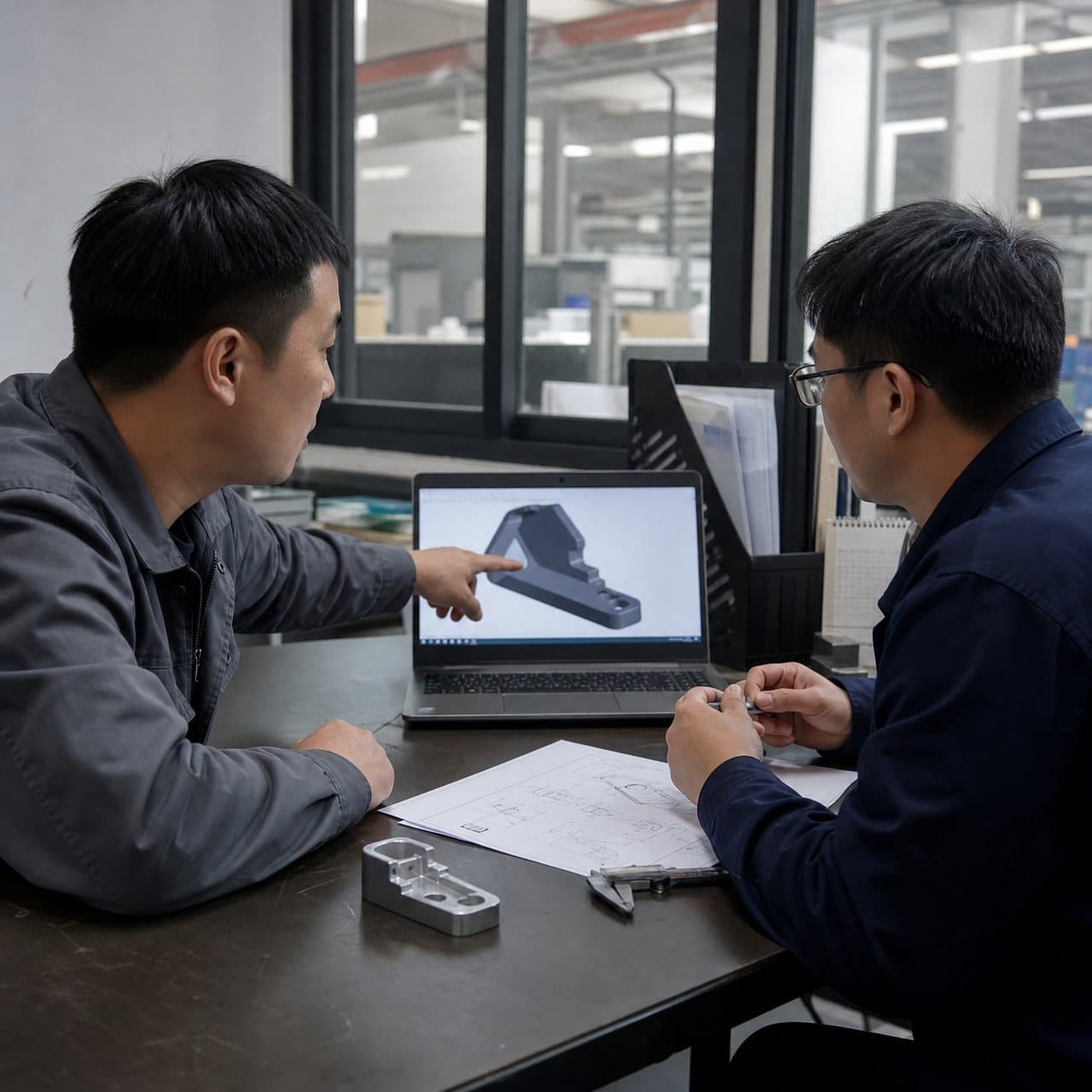
Start by defining what the analysis covers and the time horizon. The boundary may run from design release through tooling, validation, launch, routine shipments, service parts, engineering changes and tool retirement. State whether the model is for one part number, a complete assembly, a regional supply route or the whole product program. A part with a low unit price can still create higher system cost if it requires extra assembly, inspection, inventory or field replacement.
Separate requirements from recommendations. The required inputs should include the controlled drawing revision, exact resin or approved material range, critical-to-quality features, annual demand bands, launch quantity, target markets, packaging, delivery term, customer evidence and any mandatory environmental or regulatory conditions. A supplier may recommend cavity count, runner type, machine size, automation or safety stock, but those proposals need documented assumptions and buyer approval.
Use scenarios rather than a single forecast. Model at least launch, expected volume and downside volume, and identify what changes if demand is delayed, design revisions occur or the part is discontinued early. Do not divide tooling cost by an optimistic lifetime volume without testing the forecast. The analysis should make uncertainty visible instead of turning an unverified volume assumption into an apparent saving.
02
2. Build a comparable cost model from one-time and recurring elements
One-time cost can include DFM and tool design, mold manufacture, electrodes or inserts, sampling, measurement fixtures, validation, packaging development and approved engineering work. Recurring cost can include resin, molding conversion, labor, machine time, runner or scrap treatment, secondary operations, inspection, packaging, freight, duty where applicable and inventory carrying cost. Ask the supplier to identify what is included in each line rather than accepting a single blended piece price.
Tooling amortization is a decision aid, not a promise of a particular tool life. A simple scenario can allocate approved tooling and launch cost across released good parts, then add the expected recurring cost for each shipment. Keep maintenance, repair, cavity shut-off, spare components and transfer work visible. If the tool is customer-owned, define ownership, storage, access, insurance, maintenance authorization, records and transfer rights separately from the supplier's manufacturing price.
Quality cost deserves its own line. Include incoming inspection, supplier corrective action, sorting, rework, scrap, expedited freight, line stoppage exposure and potential field containment where the program risk warrants it. These are not automatic charges and should not be invented as savings; they are scenario variables to be estimated, bounded and reviewed by the responsible functions.
| Cost block | Buyer requirement to define | Supplier evidence or assumption | Approval gate |
|---|---|---|---|
| Tooling and launch | Tool scope, cavities, inserts, sampling and validation deliverables | Itemized quotation, tool concept, revision basis and sample plan | Tool design and commercial scope approval |
| Piece production | Exact grade, part weight, good yield, secondary work and quantity breaks | Material basis, cycle estimate, machine assumption and yield definition | Equivalent RFQ comparison and pilot review |
| Quality and change | CTQs, inspection frequency, deviation route and engineering-change rules | Control plan, measurement method, traceability and change charges | Quality plan and change-control approval |
| Logistics and inventory | Incoterm, route, packaging, lead-time assumption and buffer policy | Pack-out data, freight basis, shipment cadence and stock assumptions | Supply-chain scenario approval |
| Continuity and retirement | Tool custody, service-part period, alternate source and disposal boundary | Maintenance plan, capacity statement and transfer or retirement process | Program nomination and exit review |
03
3. Test how material, geometry, tooling and volume change the result
Cost cannot be separated from part function and manufacturability. Resin grade, filler, colour, moisture sensitivity, shrinkage, geometry, wall variation, undercuts, cosmetic requirements, gate location, cooling and ejection can affect material consumption, tooling complexity, cycle stability, scrap and inspection burden. The same nominal part price should not be compared when one quote uses a different grade, runner concept, finish, cavity arrangement or acceptance basis.
Volume affects both the allocation of fixed cost and the sensible tooling strategy, but it is not a standalone selector. A low-volume part with a stable design may justify a different tool than a high-volume part with frequent revisions. A multi-cavity tool may reduce conversion cost under an appropriate demand profile while increasing upfront investment, balancing complexity and creating cavity-to-cavity validation needs. Require the supplier to explain the breakpoints and constraints rather than presenting a universal volume threshold.
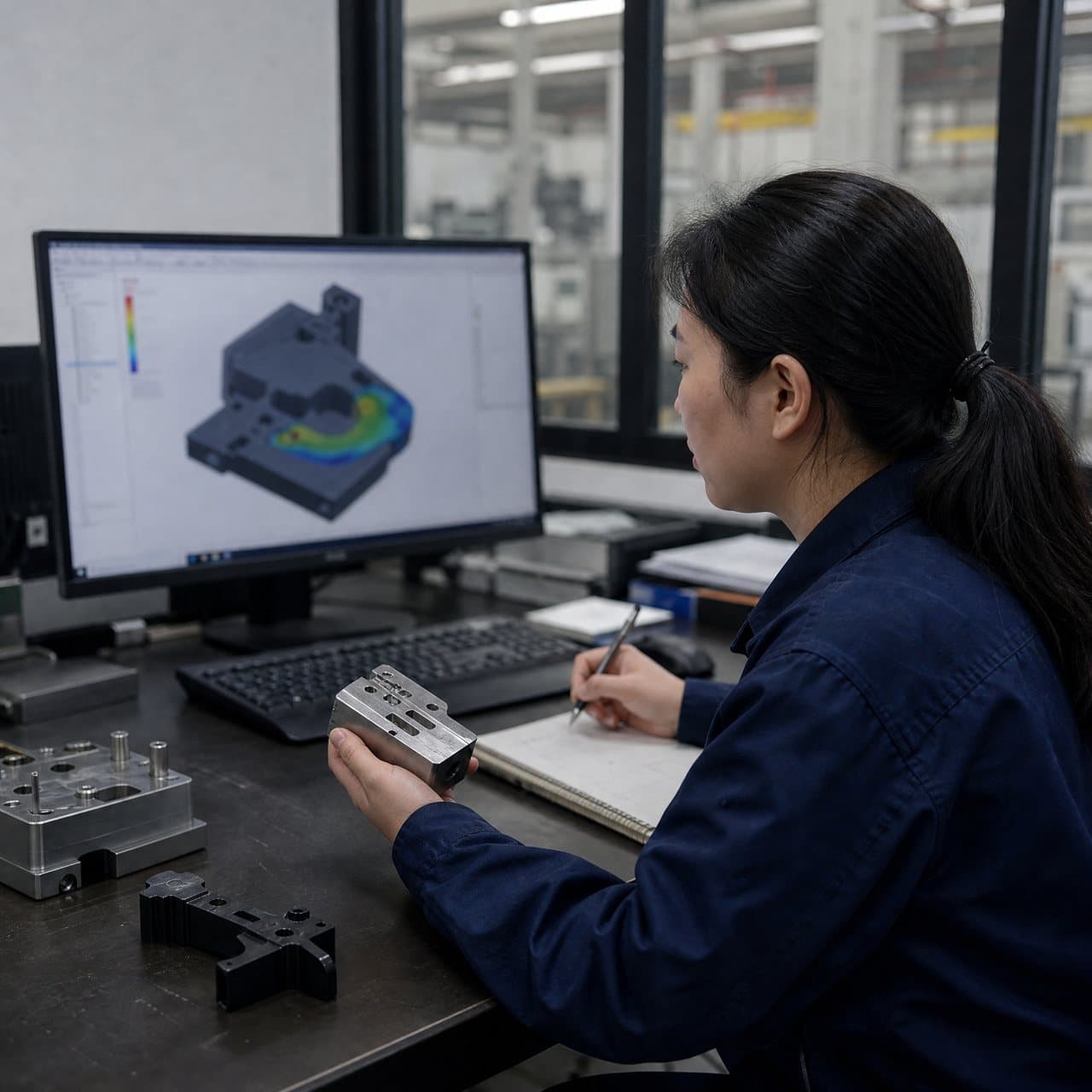
Request a DFM review tied to the released geometry. The review should identify parting line, draft, wall transitions, ribs, bosses, weld lines, sink, warpage, venting, gate vestige, ejection marks and measurement datums that could create downstream cost. Simulation or trial evidence may be recommended where risk is material, but the required level of analysis should follow the part's function, customer specification and approval plan.
04
4. Include quality, continuity and change-event cost in supplier comparison
A buyer should compare the evidence package as well as the quotation. Request material-lot traceability, first-article or dimensional results, agreed functional tests, process records, cavity identification, nonconformance handling and change notification. A certificate or capability claim does not by itself prove that every finished part meets the drawing or application requirement; the buyer should confirm the measurement system, sample basis and acceptance criteria.
Continuity cost can arise from tool wear, maintenance downtime, resin availability, machine capacity, logistics disruption, packaging damage, forecast changes or a supplier transition. Ask how the supplier stores and maintains the mold, records repairs, controls replacement components, protects customer data and supports a qualified alternate route if one is required. Do not assume that a stated capacity figure, spare tool or alternate material is equivalent until the customer approves the qualification path.
Model change events explicitly: a geometry revision, resin substitution, colour change, added inspection, new destination, customer complaint or end-of-life service demand can reset tooling, validation, inventory or logistics assumptions. Define who pays, who approves, what evidence is required and when production may resume. This is a commercial and technical control, not an assumption that changes will be free or harmless.
05
5. Use approval gates to turn the analysis into a sourcing decision
At RFQ release, freeze the common input set and label open items. At concept review, approve the material direction, part manufacturability risks, cavity strategy and cost scenarios. At tool review, approve the mold concept, critical dimensions, cooling, ejection, maintenance scope and ownership terms. At sampling, verify the actual tool, machine or technically equivalent route, resin identity, cavity traceability, dimensions, fit and initial functional results.
Before production release, reconcile the approved cost model with the final quotation and documented exclusions. Quality should approve the control plan, inspection method, traceability and nonconformance route. Engineering should approve application evidence and any deviations. Procurement should approve currency, Incoterm, validity, escalation triggers, tooling rights and volume bands. Product and supply-chain teams should confirm demand, packaging, inventory and continuity assumptions.
For InjeForm or any prospective supplier, request a written assumption register and evidence pack rather than a generic claim of lowest total cost. The nomination decision should record the accepted scenario, unresolved risks, owners, review dates and triggers for re-costing. A disciplined model does not predict the future perfectly; it gives the buyer a transparent basis to compare options and control changes.

Practical takeaway
Before you move
to the next review.
- Freeze the drawing revision, exact resin basis, CTQs, annual volume bands, delivery terms, packaging scope and customer evidence requirements before comparing quotes.
- Separate tooling, validation, piece production, secondary work, inspection, logistics, inventory, quality events, maintenance and change costs in the model.
- Require each supplier to state assumptions for grade, part weight, yield, cavities, machine, cycle estimate, tool maintenance, exclusions and volume breaks.
- Set approval gates for DFM, tool design, sampling, dimensional and functional validation, production release, change control and tool transfer or retirement.
- Run downside and change-event scenarios, and record evidence owners instead of treating forecast volume, tool life, savings or continuity as guaranteed.
FAQ
Common questions
What is included in the life-cycle cost of an injection molded plastic part?
It can include tooling and launch, resin and molding conversion, secondary operations, inspection, scrap, packaging, freight, inventory, maintenance, engineering changes, quality incidents, continuity measures and end-of-life or transfer work. The exact boundary should be agreed for the program and modeled with comparable assumptions.
How should a buyer compare two injection molding quotes?
Use the same drawing revision, exact material basis, volume scenario, quality scope, packaging, delivery term and acceptance criteria. Request an itemized cost breakdown and written assumptions for cavities, machine, yield, cycle estimate, inspection, tooling maintenance, exclusions and change charges. A lower piece price is not comparable if the scope differs.
Does higher production volume always reduce life-cycle cost per part?
Not always. Higher volume may spread fixed tooling cost, but it can also expose tool wear, quality, inventory, logistics, design-change or demand risks. The result depends on resin, geometry, tooling, machine route, yield, forecast accuracy, service requirements and customer specifications. Test more than one volume scenario.
What evidence should an OEM request before approving a molded-part supplier?
Request the controlled quotation, assumption register, DFM and tooling review, exact material documentation, sample and dimensional results, functional validation where required, traceability fields, control plan, maintenance and continuity plan, change-notification route and tool ownership or transfer terms. The required package should match part risk and customer obligations.
References
Source material
- [1] NIST Engineering Statistics Handbook — Life-Cycle Costing
- [2] U.S. Department of Defense — MIL-HDBK-259, Life Cycle Cost in the Design Process
- [3] ISO 9001:2015 — Quality management systems, official ISO overview
- [4] ASQ — Supplier Quality Management overview
This guide is general information for early procurement and engineering discussion. It does not replace product-specific DFM, qualification, validation, regulatory assessment or legal advice.