
Ask an injection molding supplier for an itemized, assumption-led breakdown rather than a single unit price. It should separate one-time tooling from recurring conversion, resin, quality, secondary operations, packaging, and delivery terms. It should also state volume, yield, currency, Incoterms, and quote-validity assumptions. That structure makes injection molding price per part comparable without asking a supplier to disclose its margin or promise a fixed outcome.
A low quote is not automatically a low total cost. Treat every unpriced assumption, such as resin grade, runner treatment, inspection scope, packaging, or freight term, as an open commercial and technical question.
01
Begin with a common cost basis
A useful quote starts with an assumption sheet. Ask each supplier to name the part revision, annual forecast, release quantity, destination, currency, resin grade and color, approvals, and delivery term. A price based on one large release cannot be compared fairly with one based on small call-offs.
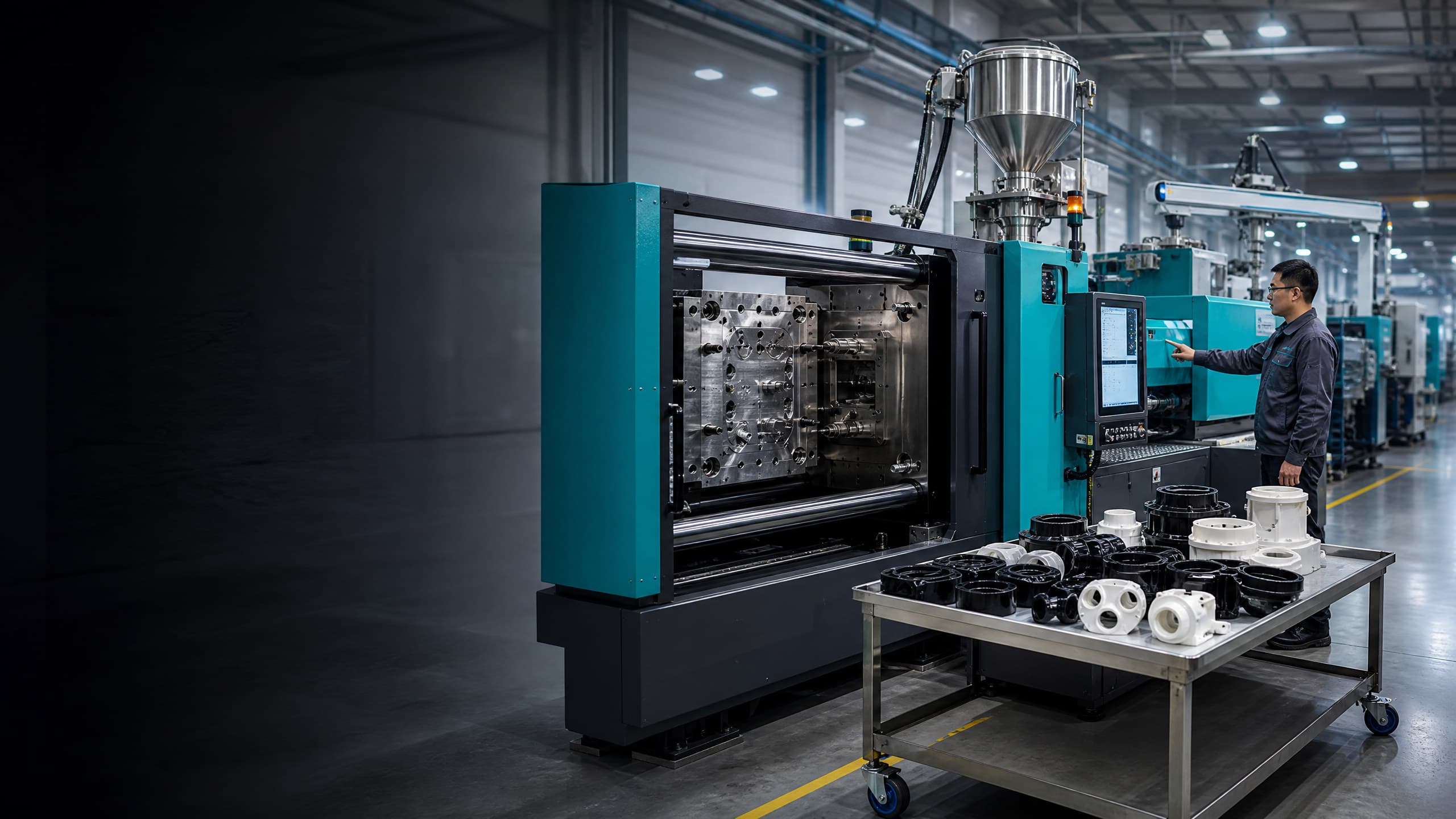
Request two linked figures: one-time program cost and recurring cost per good part. The recurring figure should identify its quantity band and whether it covers molding only or a wider plastic parts manufacturing scope. State whether freight, insurance, duties, taxes, and local delivery are included. Injection molding is a controlled, repeating process, so the cost basis should identify the process and acceptance conditions that define a good part [3].
02
Request each cost bucket and its pricing logic
The aim is not to force a universal accounting format. It is to reveal what is included, provisional, or excluded, and which technical choice changes the number. Use the same template for every bidder. The table is a comparison tool, not a prescribed price model.
| Cost bucket | What the supplier should state | What the buyer should test |
|---|---|---|
| Tooling and engineering | DFM, mold design, mold base and cavities, runner approach, purchased components, trials, sampling, documentation, and change allowance | Which work is one-time, which items are optional, and which are excluded |
| Resin and color | Specified grade, supplier or equivalent policy, color system, net part mass, runner or sprue basis, regrind policy, and pricing basis | Whether both quotations use the same material and material-consumption basis |
| Molding conversion | Machine class assumption, estimated cycle basis, cavity count, setup, operator or automation assumption, yield, and routine process controls | Whether the design, cavity plan, and production quantity make the conversion comparison meaningful |
| Quality and validation | Incoming material evidence, first article or PPAP scope if requested, inspection method, sample size, reporting, containment, and traceability | Whether CTQs, cosmetic criteria, and required records are actually priced |
| Secondary operations | Assembly, inserts, printing, welding, finishing, sorting, and functional test, each with a unit or batch basis | Whether each operation is in-house, subcontracted, manual, or excluded |
| Packaging and logistics | Pack quantity, protective materials, labels, palletization, export packing, freight term, and destination assumptions | Whether damage prevention, Incoterms, and import costs have a named owner |
| Commercial conditions | Currency, validity period, payment milestones, MOQ or release assumptions, maintenance scope, tool ownership, and price-review triggers | Which terms create exposure after award |
03
Make the one-time tooling charge inspectable
Tooling should not appear as one unexplained line. Ask for the mold concept: cavity count, steel or aluminum route where relevant, runner approach, side actions or inserts, finish zones, cooling and ejection considerations, and included trials or approval evidence. This need not disclose proprietary shop rates; it should explain why the tool differs from another offer.
Geometry can increase tooling work through undercuts, side actions, inserts, specialized finishing, and a larger mold base. Protolabs identifies geometry, internal components, and cosmetic finishing as tooling cost drivers [1]. Formlabs also separates mold fabrication from material and service costs [2]. Ask what design freeze applies and how later changes will be quoted.
04
Interrogate recurring cost without demanding false precision
For recurring price, separate resin consumption, molding conversion, yield loss, and added operations. Tie resin to the approved grade and shot basis, not only finished-part weight. Ask how cold-runner material, purge, start-up loss, and regrind are treated so a low material line does not conceal a different assumption.
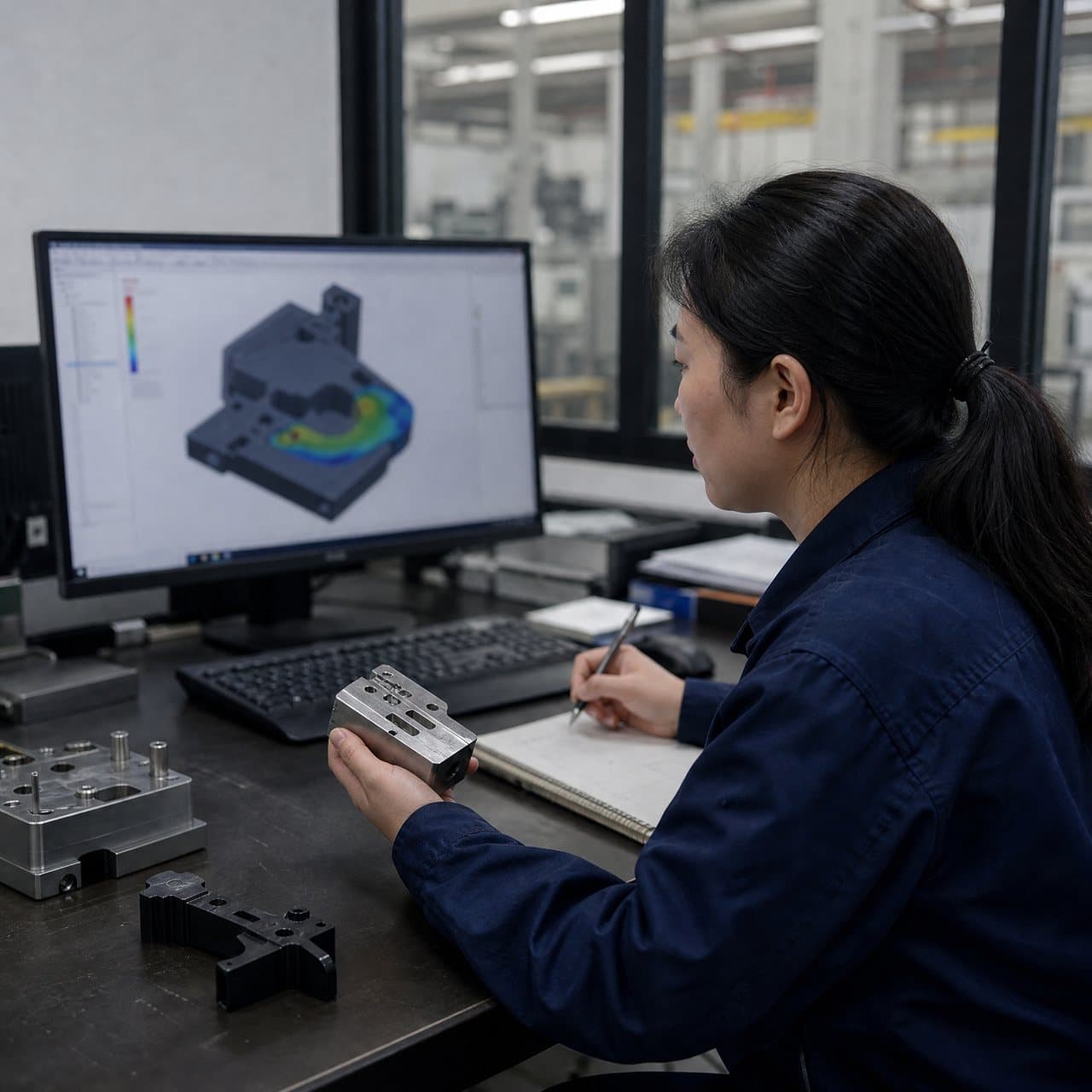
Ask what machine class, cavity count, estimated cycle basis, labor or automation assumption, and quality checks underpin conversion. Injection molding depends on controlled temperature, pressure, and timing [3]. The supplier should explain how trial results will validate the basis and how an agreed scope change may affect it.
Request the injection molding price per part at a named volume band, release quantity, and production cadence. Show tooling amortization separately, if used, from recurring molding and material price.
05
Keep quality, handling, and cross-border scope visible
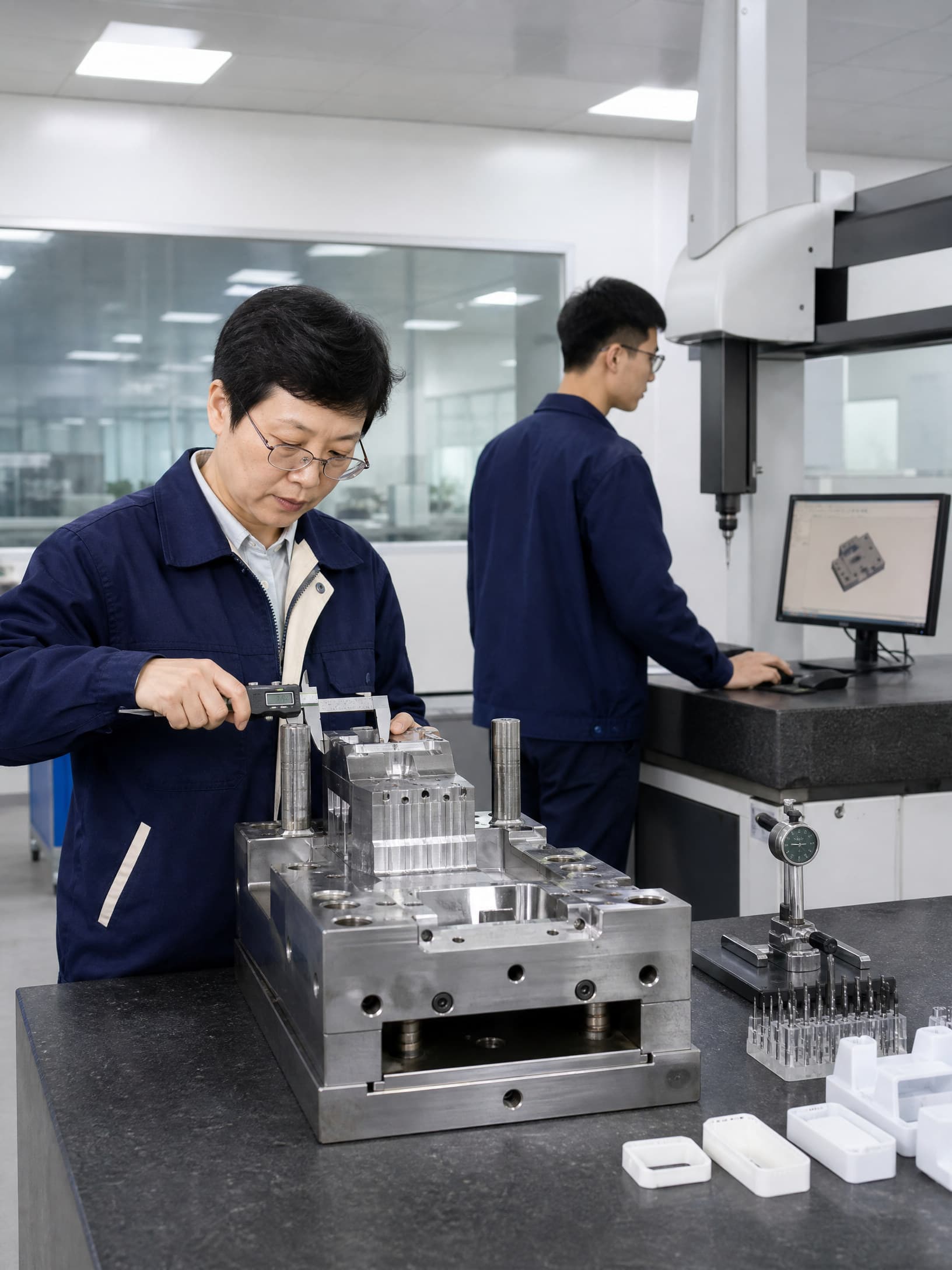
Ask for the precise quality deliverables: material or lot evidence where needed, first article or PPAP scope if requested, CTQ measurement, visual standard, sampling, reporting, containment, and traceability. Do not assume a CMM report or a particular approval package is included because the supplier mentions quality control.
For Europe, the United States, and the Middle East, state pack configuration, labeling data, pallet and container assumptions, export documents, Incoterms, and destination. Keep duty, tax, and regulatory suitability separate unless expressly included.
06
Compare suppliers line by line before choosing
Normalize quotations to the same drawing revision, resin, quantity band, delivery term, and quality scope. Flag blanks, bundled amounts, and “as required.” Ask whether each is included, excluded, or provisional, and what event changes it.
Look for internal consistency. A multi-cavity proposal may change tooling, output, inspection, and packaging at once. A short cycle estimate needs a credible cooling, ejection, and quality-control explanation. Use comparison to prompt an engineering discussion, not to assert that one supplier is inherently better.
07
Send an RFQ that can produce a decision-ready breakdown
Attach the current CAD model and drawing, resin and color specification, annual forecast and release pattern, CTQs, cosmetic zones, validation evidence, secondary operations, pack requirements, destination, and requested Incoterm. Ask suppliers to identify assumptions, exclusions, alternatives, and information still needed before a firm offer.
Request an itemized RFQ response for tooling, resin, conversion, quality, secondary operations, packaging, logistics, and commercial conditions. Use the request-a-quote page to provide the part revision, volumes, destination, and required evidence.
Practical takeaway
Before you move
to the next review.
- State the exact drawing and CAD revision, resin grade, color, and any approved equivalents.
- Provide annual demand, order-release pattern, target start window, destination, currency, and requested Incoterm.
- Ask for one-time tooling and recurring good-part cost as separate figures.
- Require the tool concept, cavities, runner choice, trials, documentation, ownership, and change assumptions to be named.
- Ask how net part mass, runner or purge material, regrind, yield, and scrap are treated.
- Specify CTQs, visual acceptance, inspection records, validation package, and containment expectations.
- Confirm secondary operations, packaging, labels, export documents, freight inclusion, and commercial exclusions.
FAQ
Common questions
Should buyers demand a supplier's detailed labor rate or profit margin?
No. Request an explainable structure and the assumptions behind the result. A supplier can protect internal rates and margin while identifying whether conversion, manual handling, quality work, or a purchased component is included, provisional, or excluded.
How should tooling be shown when the supplier amortizes it into the part price?
Ask for the underlying one-time tooling amount and the amortization basis: part count, volume band, and commercial event that changes it. Keep recurring molding and material price separate for comparison across demand scenarios.
Is material price per kilogram enough to compare resin cost?
No. Ask for grade, color approach, finished-part mass, shot or runner basis, regrind policy, and yield treatment. These inputs determine material consumption per acceptable part.
What quality costs are commonly missed in an injection molding RFQ?
Typical omissions include first-article evidence, CTQ measurement, visual standards, sorting, traceability, special packing, portals, and nonconformance response. Have each deliverable priced, included in conversion, or excluded.
References
Source material
- [1] Protolabs — Understanding Injection Mold Cost for Parts and Tooling
- [2] Formlabs — How to Estimate Injection Molding Cost
- [3] Plastics Industry Association — Injection vs. Extrusion: Key Trends in Plastic Manufacturing
This guide is general information for early procurement and engineering discussion. It does not replace product-specific DFM, qualification, validation, regulatory assessment or legal advice.