
Machine capacity is often presented as a tonnage number, but a production decision depends on the complete machine–mold–material combination. A mold may fit between the platens yet fail an ejector, nozzle, tie-bar or service check. A press may have adequate clamp force yet be a poor choice because the shot is too small, too large for stable control, or unavailable during the required production window. Buyers should therefore evaluate capacity as a set of traceable assumptions and ask the supplier to prove the important ones before releasing steel or committing a launch schedule.
Request one machine-fit sheet tied to the actual part revision, resin grade, mold concept and demand profile. It should distinguish calculated requirements, machine nameplate ratings, demonstrated results and capacity that is actually reserved for your programme.
01
Start with the mold envelope, not the press catalogue
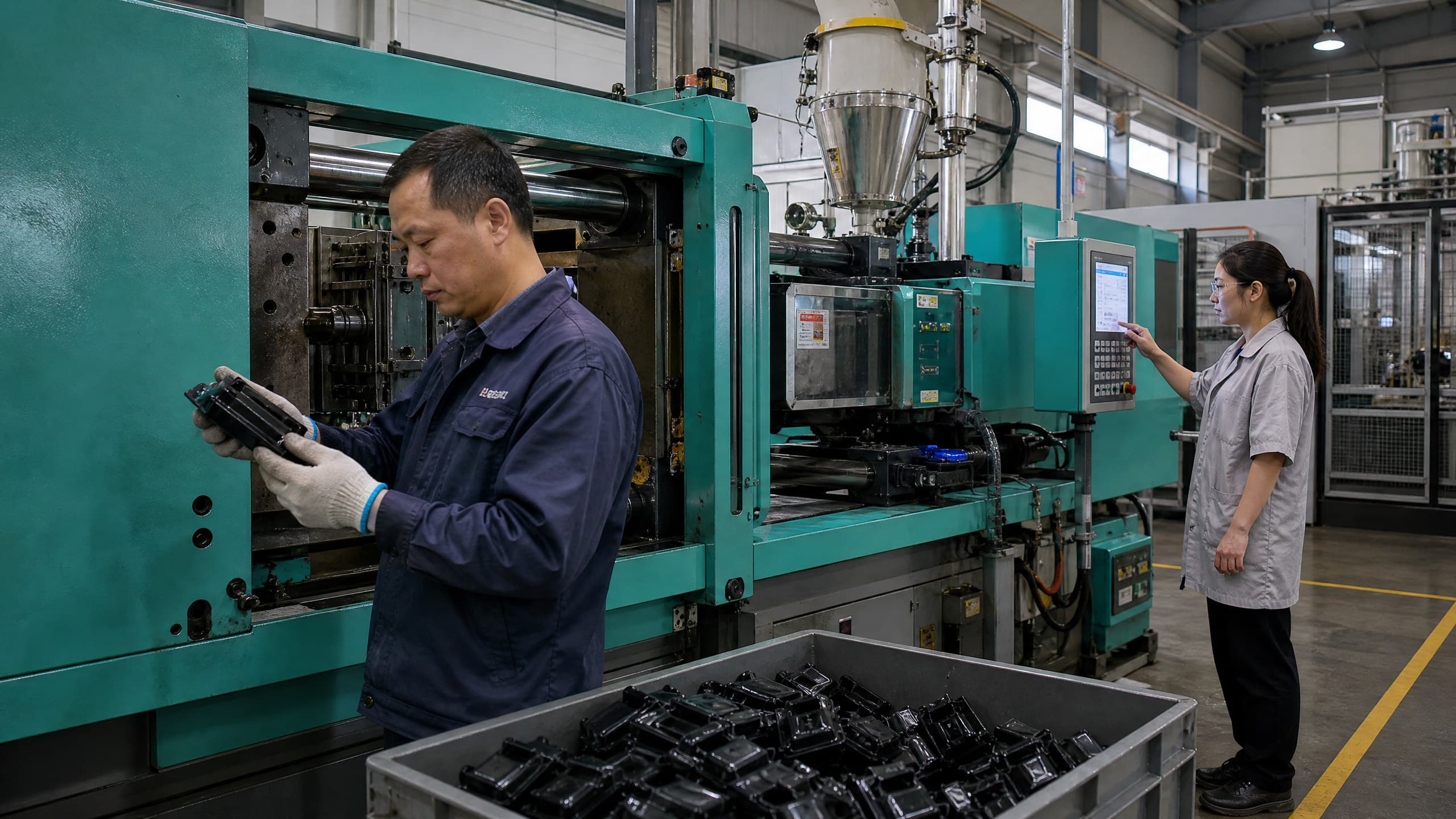
Give the supplier the current part CAD, drawing, resin direction, cavity proposal and preliminary mold layout. The review should cover mold length, width, height, weight, locating ring, sprue bushing, tie-bar clearance, platen limits, minimum and maximum mold height, daylight, opening stroke and ejector stroke. Also identify slides, lifters, hydraulic or electric core pulls, hot-runner connections, water circuits and any robot or insert-loading space. A press with sufficient nominal tonnage can still be unusable if the mold cannot be mounted, opened, ejected or serviced safely.
Ask for a dimensioned compatibility check rather than a statement that the tool is ‘suitable for a 300-ton machine.’ The check should name the proposed machine and configuration, show the controlling dimension and identify any adapter plate, extended nozzle, special ejector coupling or service modification. Include these assumptions in your [request-a-quote](/request-a-quote) package so different suppliers are quoting the same fit basis. General design guidance can help identify questions, but the toolmaker and molder must confirm the actual machine interface for the released mold.
02
Challenge the clamp-force calculation
Clamp force is intended to keep the mold closed against the separating force generated during filling and packing. The supplier should show how projected area was determined, including cavities, runners, sprue and any relevant overflows, and explain the pressure basis and engineering margin. The result is not a universal percentage: resin viscosity, flow length, gate design, wall sections, injection speed, packing strategy and mold condition can all affect the recommendation. Treat published rules of thumb as screening aids, not as a release criterion.
Buyers should also ask what happens if the part, resin grade, cavity count or process window changes. Excess clamp force is not automatically better; it can affect machine loading, mold protection and flash diagnosis, while insufficient force can contribute to opening or flash under particular conditions. A cautious decision records the calculation, the assumptions still to be proven and the trial observations that will confirm or revise the recommendation. For background on tolerances and acceptance, cross-check the programme requirements against InjeForm’s [quality](/quality) information rather than relying on tonnage alone.
03
Match shot size to the resin and the actual process window
The required shot is the material needed for the molded parts and the runner system, with the applicable hot-runner or cold-runner arrangement made explicit. Ask the supplier to state the shot-weight basis, screw diameter, cushion target, injection pressure, injection rate, plasticizing or recovery time and expected cycle. Then ask how much of the machine’s rated shot is intended to be used for this resin and tool. A catalog maximum is not the same as a stable working range.
An undersized injection unit may constrain fill speed, pressure or recovery; an oversized barrel may raise residence-time, colour-change or material-management questions for a small shot. These are process-engineering considerations, not fixed buyer percentages. The supplier should identify the machine setting limits and what must be confirmed in a trial, including melt temperature, drying or conditioning, cushion stability and cavity balance. If the material is reinforced, heat-sensitive, recycled or otherwise tightly specified, the exact grade and lot-control plan should be part of the review.
| Verification area | Question for the supplier | Evidence to retain |
|---|---|---|
| Mold envelope | Will the named machine accept, open, eject and service this mold without unapproved adaptations? | Dimensioned machine–mold compatibility sheet and utility list. |
| Clamp force | What projected area, pressure basis and margin support the recommended setting? | Calculation tied to the part and cavity revision. |
| Shot and injection | How are part, runner, cushion, screw use, pressure, speed and recovery calculated for the resin? | Machine configuration, material assumptions and trial plan. |
| Usable output | How many production hours remain after maintenance, changeovers, sampling, inspection and current orders? | Dated capacity statement with exclusions and schedule owner. |
| Release evidence | Which results will decide whether this press and process are accepted? | Trial report covering cycle, dimensions, appearance, yield and open actions. |
04
Separate rated capacity from capacity you can actually buy
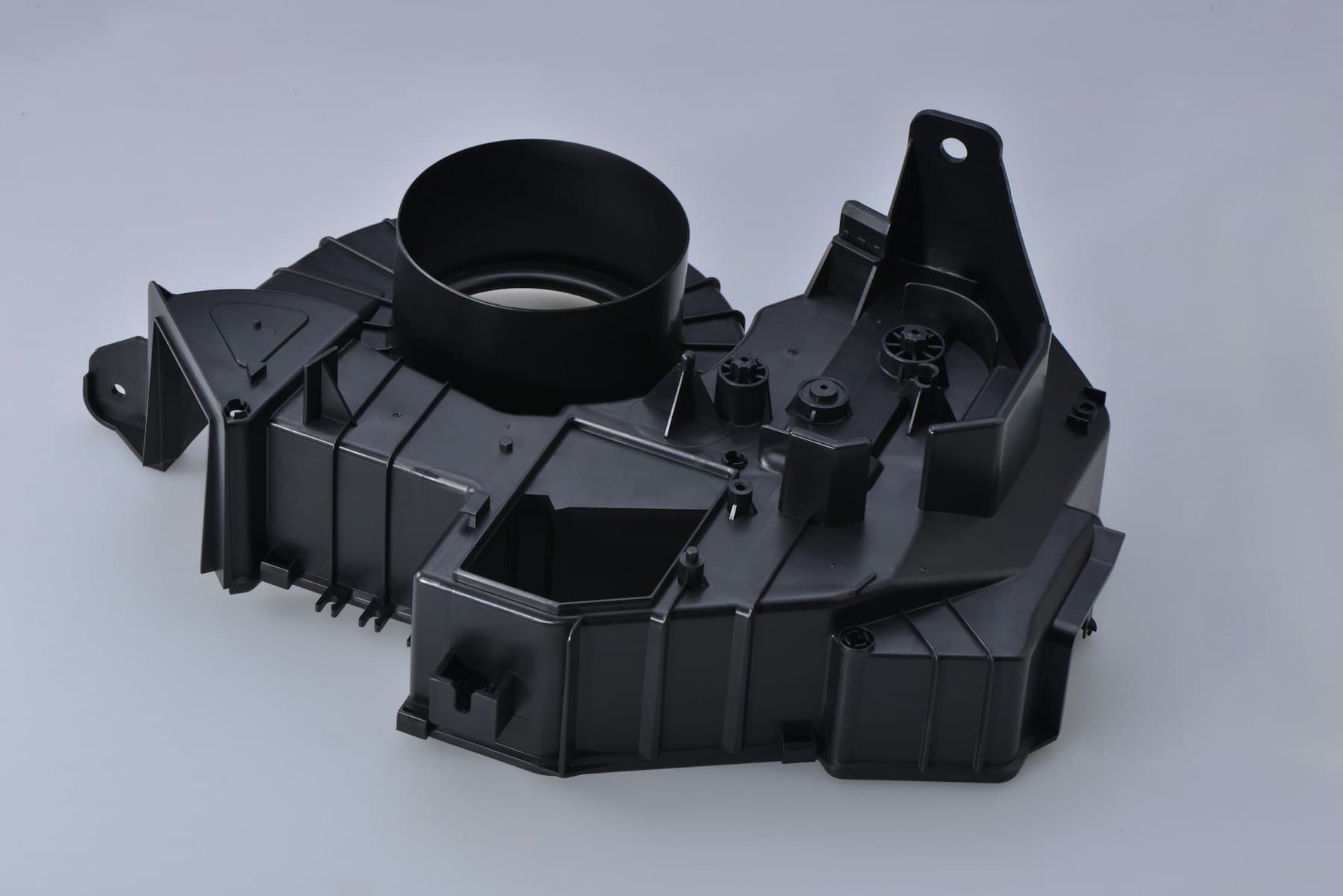
A supplier’s installed machine list is useful for screening, but it does not prove that a press is available for your dates. Convert demand into shots per hour using the proposed cavity count and cycle assumptions, then ask the supplier to subtract planned maintenance, tool changes, first-off checks, inspection, scrap, holidays, staffing constraints and existing commitments. If the programme is seasonal, show the peak week or month rather than only the annual quantity. Capacity should be stated as a planning assumption, a demonstrated output or a commercial commitment; those are different things.
Ask for a primary machine and a credible alternate where schedule risk matters. The alternate must also pass mold-envelope, shot, service, quality and automation checks; it is not enough to name another press with similar tonnage. InjeForm’s [process](/process) information can help frame the trial and production handoffs, while the quote or capacity agreement should state what is reserved, what is indicative and how a machine substitution is approved.
05
Make machine fit a controlled release decision
Before tool release, define which items are still engineering assumptions and which are acceptance gates. A practical gate may require confirmation of mold mounting, clamp-force basis, shot utilization, injection pressure and speed, cycle, cavity balance, dimensions, appearance, scrap, automation sequence, operator access and downstream packing. The exact tests depend on the part and customer requirements. ISO 9001 principles support controlled processes and retained evidence, but the standard does not by itself certify that a particular machine will meet your product specification [1].
For a regulated or safety-relevant product, the product owner or legal manufacturer must define applicable validation, traceability and approval obligations. A supplier’s machine recommendation is engineering input, not a transfer of regulatory responsibility. Record the approved machine configuration, resin grade, tool revision and process evidence; require a review if any of those change. This gives purchasing a defensible basis for comparing suppliers and gives engineering a clear point at which to revisit the fit.

Practical takeaway
Before you move
to the next review.
- Obtain a named machine–mold compatibility sheet covering platens, tie bars, daylight, stroke, ejection, weight and services.
- Review projected area, cavity and runner assumptions, pressure basis and margin behind the proposed clamp force.
- Request shot-weight, screw-use, cushion, pressure, speed, recovery and material-residence assumptions for the exact resin.
- Convert nameplate capacity into dated usable hours after maintenance, changeovers, quality work and current commitments.
- Define the trial results and machine-change approvals required before production release or a schedule commitment.
FAQ
Common questions
Is machine tonnage enough to prove mold fit?
No. Tonnage is only one screen. Tie-bar clearance, mold height, daylight, platen and ejector interfaces, shot capability, services and automation can all disqualify a press.
How should buyers judge a clamp-force recommendation?
Ask for the projected-area and pressure assumptions, cavity and runner basis, engineering margin and the conditions that would change the recommendation. Confirm it against the actual tool and resin during trials.
Does a larger shot size always provide more process margin?
No. A larger barrel may create residence-time, colour-change or material-management concerns for a small shot, while a smaller unit may constrain pressure, speed or recovery. The usable range depends on the resin and process.
What is the difference between rated and usable machine capacity?
Rated capacity describes the machine or installed asset. Usable capacity subtracts maintenance, changeovers, sampling, inspection, scrap, staffing, current orders and other programme constraints for the required dates.
When should a buyer require a second machine option?
When a missed launch or peak demand would be material, ask for an alternate that passes the same mold, shot, service, quality and automation checks. Approve substitutions through a documented engineering and commercial review.
References
Source material
- [1] ISO, “ISO 9001 — Quality management systems.”
- [2] U.S. Occupational Safety and Health Administration, “Control of Hazardous Energy (Lockout/Tagout).”
- [3] Protolabs, “Injection Molding Design Guidelines.”
- [4] Fictiv, “Injection Molding Design Guide: Best Practices for Molded Plastic Parts.”
This guide is general information for early procurement and engineering discussion. It does not replace product-specific DFM, qualification, validation, regulatory assessment or legal advice.