
An injection mold validation package is not a generic binder or a promise that every part is qualified for every market. It is the buyer-agreed record connecting the released part definition, mold, material, process and inspection results to an acceptance decision. For programmes supplied into Europe, the US or the Middle East, scope depends on intended use, contractual requirements and applicable product regulation. The product owner should define the critical requirements and release authority; the injection mold supplier should confirm which evidence it can provide.
The practical test is simple: can a future reviewer identify which mold, resin, settings, samples and results supported release—and what would require reconsideration? That is more valuable than a large file set with no stated purpose.
The package is strongest when the plan names the controlled revision, acceptance criteria, sample basis, deviation route and release owner before the trial starts.[1][4]
01
1. Fix the evidence boundary before trial
Start with a brief validation plan or buyer checklist. It should name the controlled CAD, drawing and specification revisions; resin grade and colour; mold and cavity configuration; critical-to-function features; sample basis; and acceptance route. An injection mold quality report has little value if it cannot identify the revision and samples it represents. ISO 20457 is a useful reference for moulded-plastic tolerances and acceptance conditions, but part-specific functional requirements still need to be defined.[3]
Do not infer the evidence requirement from destination alone. Medical, safety, food-contact, automotive or customer-system obligations can justify a formal protocol and deeper traceability; an ordinary industrial part may need a focused trial, inspection and release record. Use IQ, OQ and PQ only when the buyer’s quality system or protocol defines them. The supplier should confirm its records and measurement capability rather than be assumed to provide a regulatory qualification.
| Evidence group | What it should identify | Buyer risk if missing |
|---|---|---|
| Controlled baseline | Part revision, resin, colour, tool ID, cavity count and approved deviations. | A result from a different design, resin or tool can be mistaken for release evidence. |
| Acceptance plan | Characteristic or test, criterion, sample basis and decision owner. | Data exists, but no defensible acceptance decision follows. |
| Traceability map | Links among tool, machine, material lot, samples and report IDs. | Later problems cannot be investigated against the trial record. |
02
2. Request tool-readiness evidence as well as part results
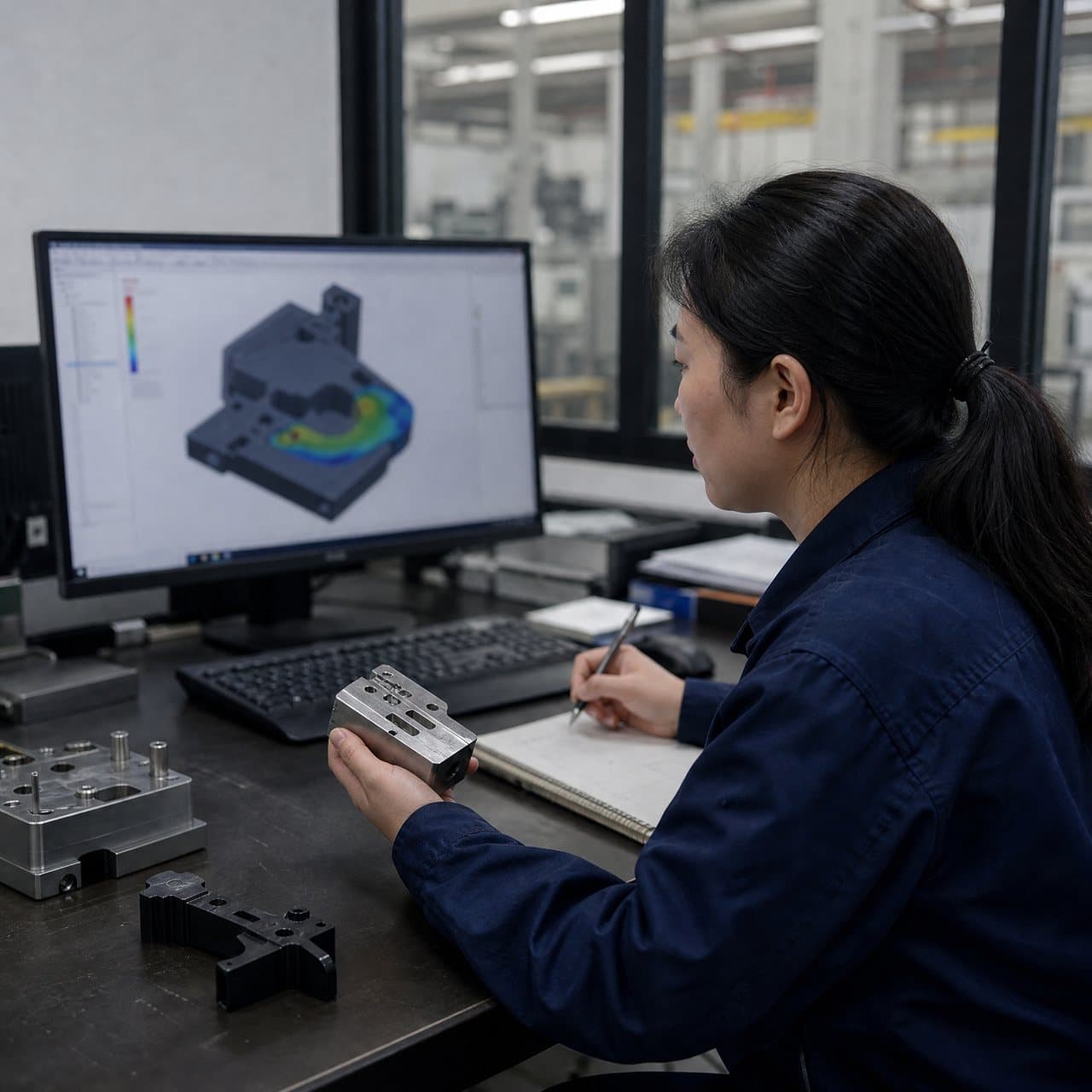
Injection mold inspection and part inspection answer different questions. A dimensional report can show whether sampled parts meet specified features; it does not prove that the mold presented for release has the required cavity layout, gates, inserts, moving actions or identification. A build record has the opposite limit: it does not prove stable parts under the stated molding condition. A buyer should request both streams, with their limits made visible.
Tool evidence should match the order and risk. Typical records are a tool ID and cavity map, an agreed critical-feature or build checklist, photographs of specified features, and trial confirmation of ejection, cooling connections, side actions or hot-runner zones. Ask the supplier to state the method, configuration checked and any provisional or substituted element. If a corrective action is raised, record the affected cavity or component, remedy and need for a repeat trial.
| Requested record | Decision it supports | Supplier confirmation |
|---|---|---|
| Tool ID and cavity map | Whether the evaluated configuration is the ordered one. | Installed inserts, moving actions, hot-runner components and revisions. |
| Agreed tool checklist | Whether specified tool features were checked before sampling. | Method, date, result and anything not checked. |
| Trial/action log | Whether defects or tool changes were closed before release. | Affected cavity, disposition and repeat-evidence decision. |
03
3. Make injection mold process validation reproducible
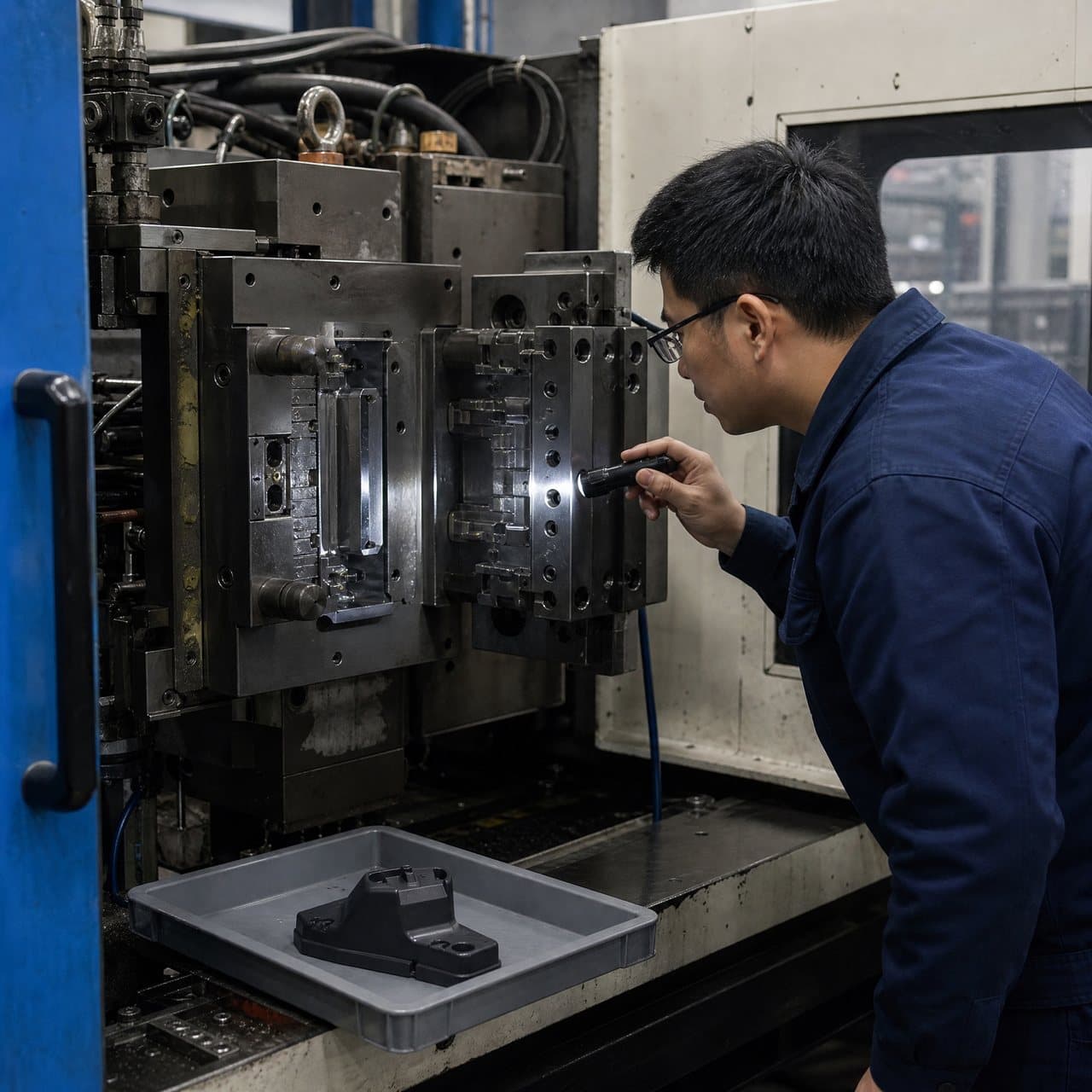
The process record should show how samples were made, not just display nominal settings. Identify the machine, mold, cavity configuration, material lot and condition, date, approved setup and actual molding conditions. Relevant data may include melt and mold temperatures, injection and holding profile, transfer point, cooling time and cycle time. Their importance and acceptable range are part-specific; a parameter list is not a universal recipe.
Define the sampling logic as carefully as the settings. For a multi-cavity mold, inspect samples in a way that can expose cavity variation rather than presenting an unlabelled mixed set. Record stabilization, interruptions and adjustments, and preserve the link between sample label and data. FDA guidance addresses drug and biological manufacture—not general molding—but its emphasis on predefined criteria and documented evidence is a useful discipline when a customer requires formal process validation.[1]
| Process evidence | Minimum useful content | Risk if absent |
|---|---|---|
| Run record | Machine, mold, material lot, actual conditions, samples and interruptions. | Results are not tied to a repeatable production situation. |
| Cavity-aware plan | Sample count, cavity identity, stabilization point and exclusions. | A good cavity can hide variation in another cavity. |
| Protocol deviations | Difference from plan, impact, disposition and follow-up. | An exception can later be mistaken for an approved condition. |
04
4. Release against acceptance evidence—and control the next change
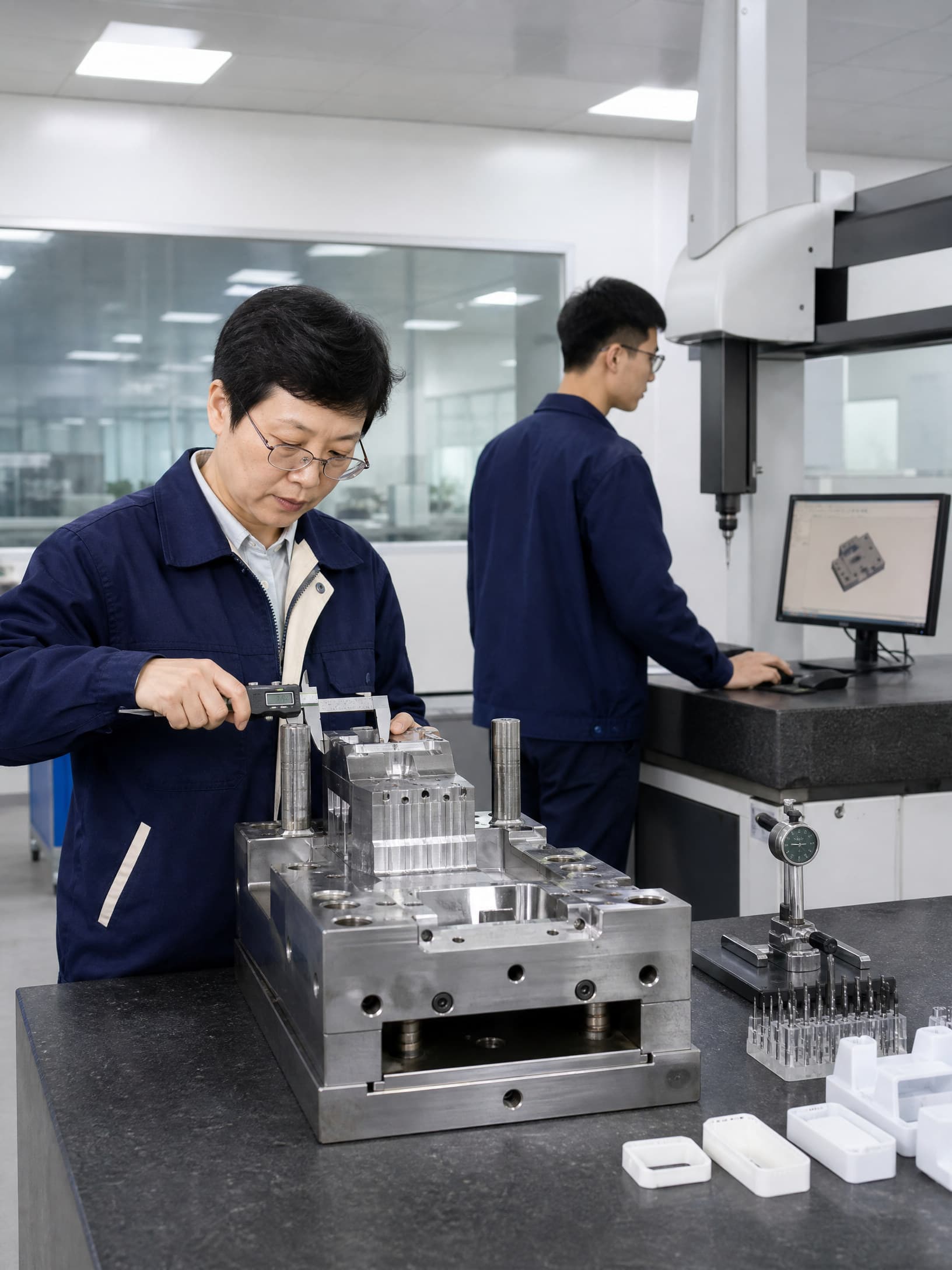
The final injection mold quality report should be an evidence index as well as a measurement result. For every required feature, identify the drawing revision, datum or method, sample and cavity identity, result and disposition. Add visual criteria or boundary samples when appearance matters. Include functional, leak, assembly, material or laboratory tests only when method, pass/fail rule and responsibility are agreed; a mold maker should not be presumed to certify an end-product claim outside its scope.
Close with a controlled status: accepted, conditionally accepted with named actions, or not released. List open deviations and whether production, shipment or tool transfer is permitted. ISO 13485 is relevant for medical-device supply chains because it addresses regulatory and customer requirements and process validation; it is not a blanket requirement for every molded part.[2] A material-grade change, critical tool repair, cavity or gate modification, tool move, major process change or changed requirement may justify targeted re-validation. The buyer defines the required extent; the supplier should confirm technical impact and feasible evidence.
| Release question | Evidence to review | Buyer action |
|---|---|---|
| Was the correct configuration evaluated? | Baseline, tool/cavity map, material ID and run record. | Resolve any substitution or prototype-to-production gap. |
| Did samples meet requirements? | Dimensional, visual and agreed functional results. | Accept, reject or formally disposition deviations. |
| What remains controlled? | Process basis, inspection plan, traceability and change control. | Authorize production only to the demonstrated scope. |
Practical takeaway
Before you move
to the next review.
- Confirm the controlled part, mold, material, volume and acceptance inputs before quotation or release.
- Ask the supplier to identify assumptions, interfaces and evidence required at each review gate.
- Separate general guidance from requirements that must be confirmed for the specific part and tool.
- Record sample condition, measurements, appearance criteria, deviations and approval ownership.
- Keep the final decision package with revisions, records, changes and future maintenance responsibilities.
FAQ
Common questions
Is an injection mold validation package the same as a first article report?
No. A first article or dimensional report may be one input; the package also links the part and tool configuration, material, trial conditions, deviations and release decision.
Does every mold need IQ, OQ and PQ documents?
No. Use those labels only where the buyer's applicable quality system or protocol requires them. A proportionate trial, inspection and release record may suit many industrial parts.
Which changes should trigger a new review?
Examples include a material-grade change, critical repair, cavity or gate modification, tool transfer, major process change or revised requirement. The buyer defines the trigger; the supplier confirms impact.
References
Source material
- [1] U.S. FDA — Process Validation: General Principles and Practices
- [2] ISO — ISO 13485:2016 Medical devices — Quality management systems
- [3] ISO — ISO 20457 Plastics moulded parts — Tolerances and acceptance conditions
- [4] European Commission — EU GMP Annex 15: Qualification and Validation
This guide is general information for early procurement and engineering discussion. It does not replace product-specific DFM, qualification, validation, regulatory assessment or legal advice.