
Review an 8D as a decision record, not as a completed template. For molded parts, start with a quantified defect statement and the exact affected lots, then verify that containment protects every location where suspect material could exist. Next, require evidence that tests the stated root cause, not only a plausible explanation. Close the report only after the supplier shows that the permanent action works against the relevant injection molding CTQ and that its control plan, inspection method and traceability have been updated. This approach gives procurement, quality and engineering teams a common basis for managing an injection molding supplier across Europe, the United States and the Middle East.
Do not approve an 8D because it contains a 5 Why diagram. Approve it when the evidence explains both why the defect was made and why the existing inspection or release process let it escape.
01
H2: Read the 8D as an evidence chain
Treat an 8D as a decision record, not a completed template. It should link a defined molded-part defect to containment, a verified occurrence cause and escape cause, a permanent correction, effectiveness evidence and prevention. ASQ describes 8D as a structured approach that requires root causes to be proved and corrections to be quantitatively confirmed [1].
Confirm that the team matches the failure: tooling and process ownership for flash, for example; material ownership for a moisture or resin-lot concern. Keep commercial remedies separate from the technical conclusion. The 8D supports a quality decision but does not replace the drawing, quality agreement, acceptance criteria or formal change process.
02
H2: Test D2 and D3 before discussing root cause
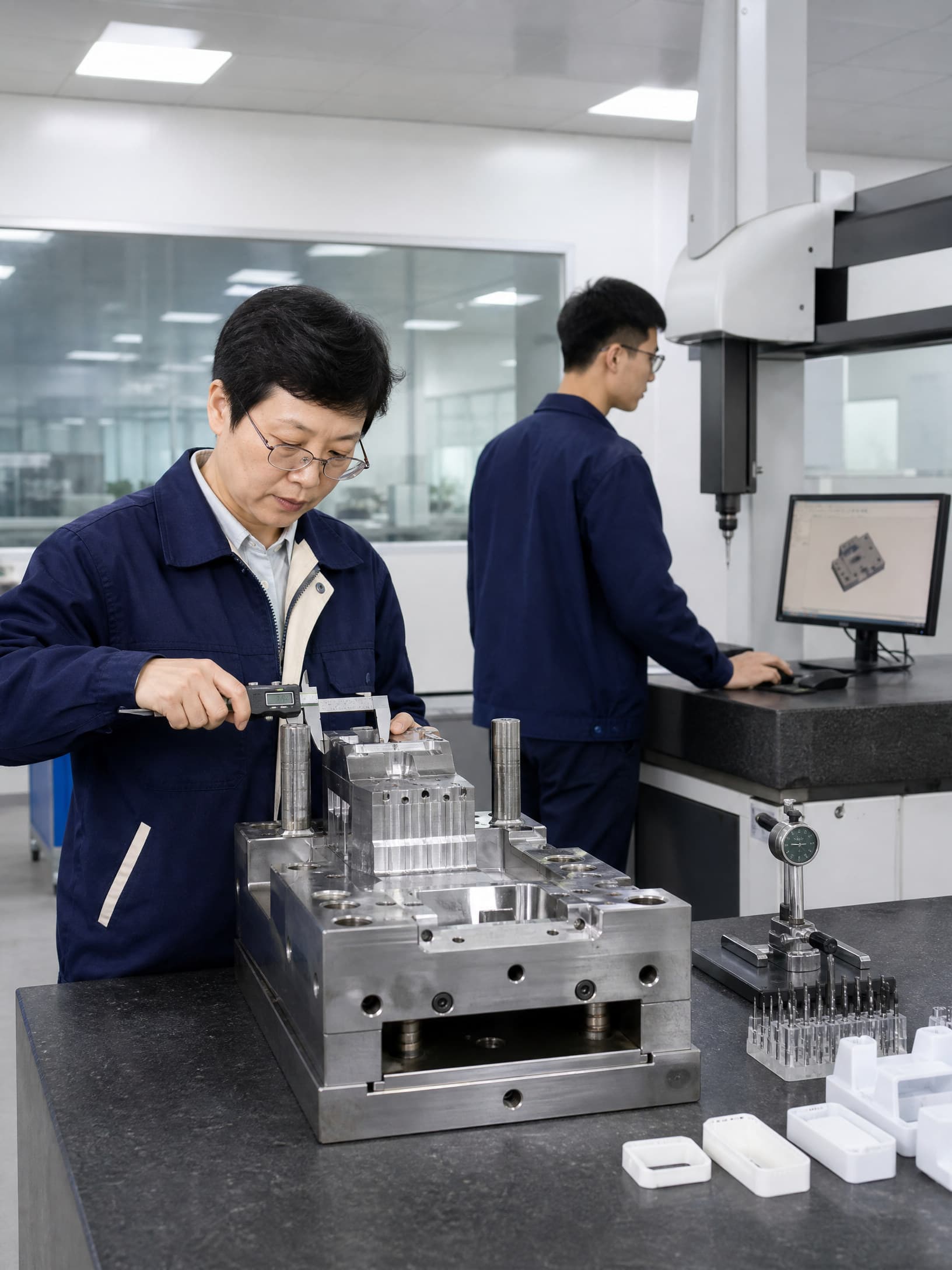
D2 must identify the part and revision, requirement missed, defect location, discovery point, affected quantity, date or production window, and cavity or tool where relevant. “Parts have flash” is not reviewable. A statement tied to a drawing-defined boundary, cavity, lot and documented set-up change is. Request labelled photographs, inspection records and lot or shipment identifiers.
D3 protects the buyer while investigation continues. Ask for the containment start time, scope, owner, inspection instruction, results and clean point. A parameter adjustment or tool repair alone is not containment because prior suspect parts may remain in process, stock, transit or at the buyer. MAHLE’s supplier-quality guidance calls for quarantine, a clean point, risk review and data-based effectiveness checks [2].
Verify the disposition of work in process, finished goods, external warehouse stock, rework, returns and shipped material. A claim that stock was checked is not enough; the report should show which stock, which method and what happened to nonconforming parts.
| 8D area | Request | Warning sign | Uncontrolled risk |
|---|---|---|---|
| D2 definition | Revision, criterion, lot or window, quantity and records | Generic description or untraceable photos | Wrong defect scope |
| D3 containment | Stock map, quarantine, inspection method, clean point and results | Process change presented as containment | Suspect parts ship or are assembled |
| D4 root cause | Controlled comparison, test data and escape-cause analysis | 5 Why or fishbone treated as proof | Symptom is corrected, defect recurs |
| D5/D6 correction | Owner, change record, CTQ results and validation plan | Training is the sole action | Result depends on memory |
| D7 prevention | Updated controls and targeted read-across | No review of similar processes | Same failure escapes elsewhere |
03
H2: Challenge D4 with a reproducible root-cause test
Separate why the defect occurred from why it escaped. The occurrence cause could involve venting, a worn shutoff, resin moisture, packing variation or a measurement fixture. The escape cause could be an unsuitable inspection instruction, sampling plan or release control. MAHLE likewise distinguishes technical, quality-assurance and system causes [2].
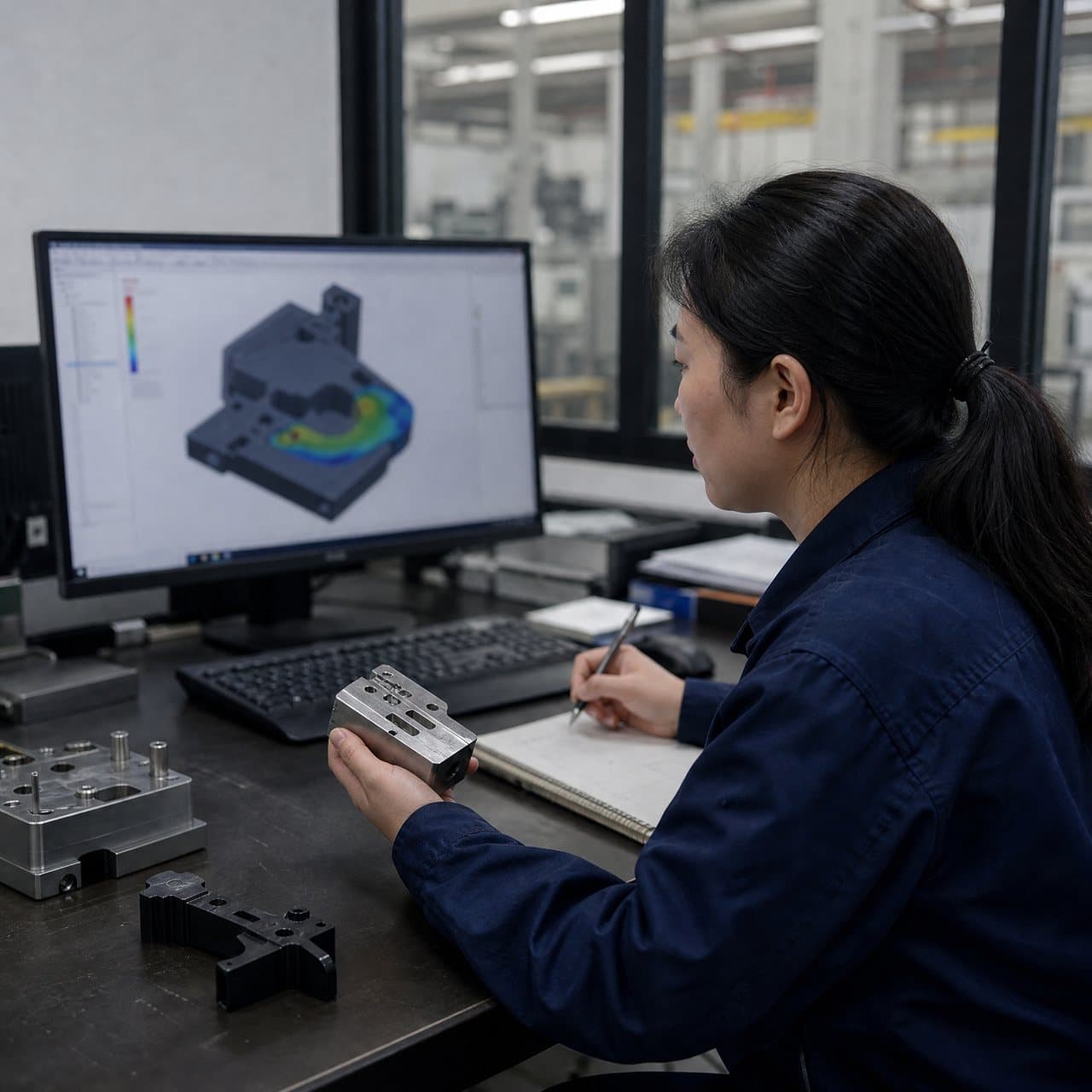
Ask what the proposed cause predicts and how it was tested. A controlled trial may vary one documented factor while relevant material, tool and measurement conditions remain stable. Tool inspection, maintenance findings, repeat trials or a measurement comparison may be appropriate evidence. Use 5 Why, fishbone and fault-tree diagrams to organize investigation; they are not proof without supporting data.
04
H2: Verify the correction against the right CTQs
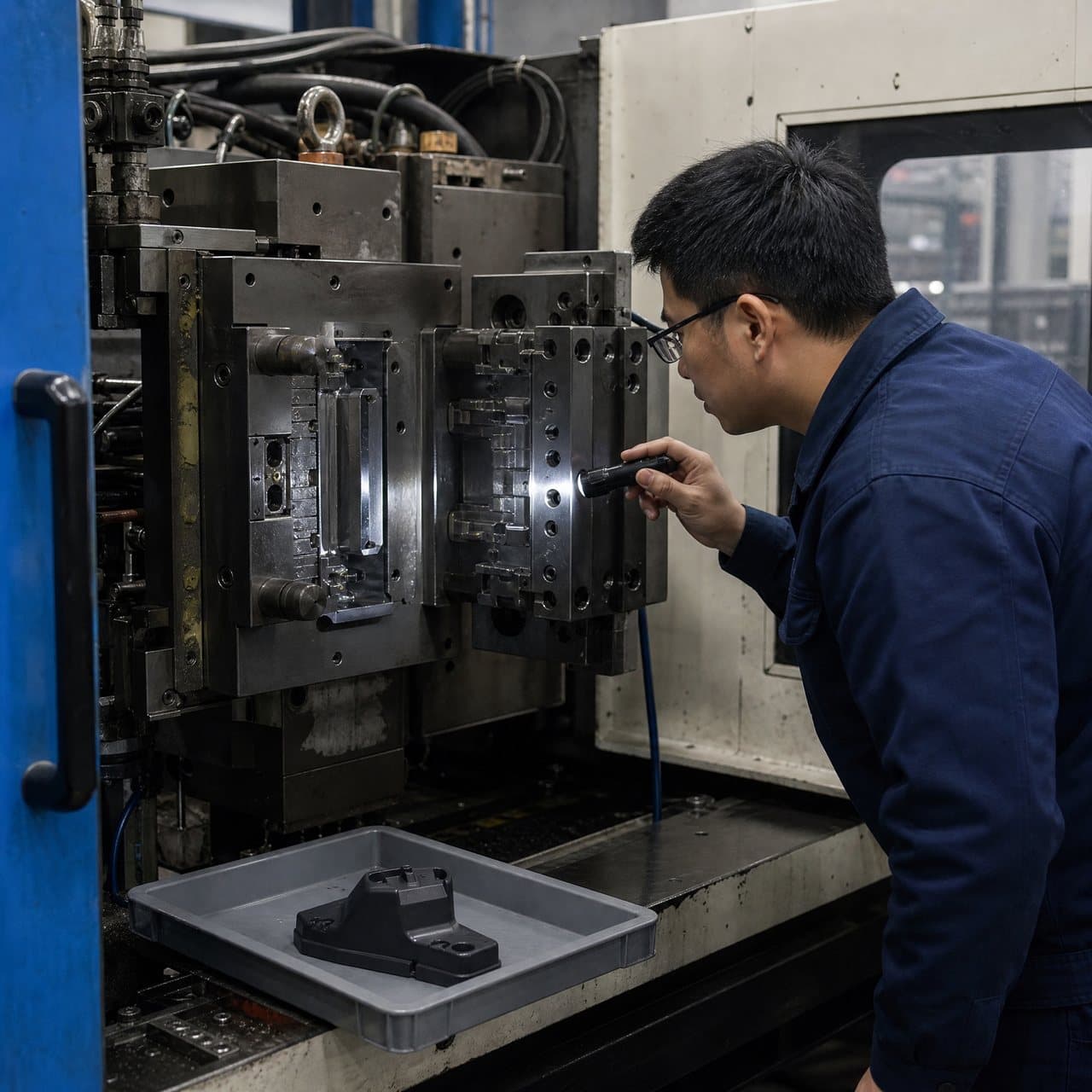
The permanent action may be a tool repair, parameter window, material-handling control, fixture revision, inspection change or design change. Require an owner, implementation date, affected identifier, change record and before-and-after evidence. Determine whether the action triggers sample re-approval under the program agreement.
Assess the relevant injection molding CTQ: specified dimensions and datums for dimensional defects, the agreed visual standard for cosmetic defects, or the approved functional test for functional failures. NIST explains that capability compares process performance to specifications and that Cpk reflects centering as well as variation [3]. Data need a clear specification, population and measurement method to be meaningful.
05
H2: H3: Validate D6 and institutionalize D7
D6 must show that the correction holds in production, not only during a trial. Agree an evidence window appropriate to risk, such as defined lots, shifts, runtime or shipments. Compare defect performance and CTQ results before and after implementation. Remove a temporary sort only when the new control is shown to work.
For D7, request the revised control plan, process-flow record, setup or maintenance instruction, inspection instruction, reaction plan and risk review. Bound read-across to identified similar materials, tools, parts or processes. A targeted review is stronger than a promise that the issue can never recur.
06
H2: Procurement checklist for an 8D review meeting
Use this list beside the 8D, drawing, purchase-order or quality-agreement requirements, and relevant inspection evidence. It prompts an evidence-based discussion rather than a one-size-fits-all quality system.
07
H2: Request an evidence-ready quality response
For an RFQ, provide the drawing revision, 3D model where available, resin and color, CTQs, cosmetic and functional criteria, forecast or batch demand, traceability, packaging and destination. State the expected nonconformance, containment, 8D and re-approval response route.
For an active issue, send the nonconformance record, photos, lot or shipment identifiers, inspection method and urgency. Ask the injection molding supplier first for containment scope and clean point, then for a dated 8D plan and evidence. Use the RFQ discussion to align quality expectations before production risk becomes a dispute.
Practical takeaway
Before you move
to the next review.
- Confirm the part revision, defect requirement, affected lots, quantities and locations.
- Verify containment covers work in process, stock, warehouses, transit and received material.
- Require a clean point and disposition records for suspect molded parts.
- Check proof of both the occurrence cause and the inspection escape cause.
- Match action results to the applicable injection molding CTQ and measurement method.
- Request cavity-level data when a multi-cavity process could vary by cavity.
- Confirm permanent changes and updated prevention controls are documented.
- Record every open item, temporary shipping condition, owner and due date.
FAQ
Common questions
What matters most in an 8D report for molded parts?
The evidence chain: defined defect, effective containment, verified occurrence and escape causes, then data showing the permanent correction works. A polished form without traceability or test evidence does not control risk.
Is 100 percent sorting a corrective action?
Usually it is interim containment. It can protect the buyer when scope and inspection reliability are documented, but the 8D still needs a verified action that prevents recurrence.
What CTQ evidence belongs in an injection molding quality report?
Include the CTQ, its approved acceptance criterion, measurement method, lot or cavity traceability where relevant, and results used to validate the correction.
Can a 5 Why analysis prove root cause?
No. It organizes reasoning. Root cause needs factual verification such as a controlled comparison, defect reproduction, maintenance evidence or an appropriate measurement study.
When should a buyer reopen an 8D?
Reopen it when the defect recurs, the scope or agreed CTQ evidence is incomplete, the stated action was not implemented, or a related part shows the same credible failure mode.
References
Source material
- [1] ASQ: Eight Disciplines 8D
- [2] MAHLE: 8D Process Manual, Supplier Quality Assurance
- [3] National Institute of Standards and Technology: Assessing Process Capability
This guide is general information for early procurement and engineering discussion. It does not replace product-specific DFM, qualification, validation, regulatory assessment or legal advice.