
A post-steel-cut change is not automatically a crisis, but it is no longer a cost-free CAD revision. Material may already have been removed, inserts may be in production, and the tool may be scheduled for machining, texture, assembly or trial. Buyers should pause the affected work, establish the exact baseline, and ask for a steel-safe recommendation before authorizing a change order. Include the current CAD, drawing, tool status and decision deadline when using the [request-a-quote](/request-a-quote) page for a scoped review.
Steel safe is a decision strategy, not a blanket promise. Removing more steel may enlarge a feature or create clearance, while adding steel can require an insert, weld repair or new component. The supplier must explain what remains reversible and how the result will be verified.
01
Freeze the right work and identify the baseline
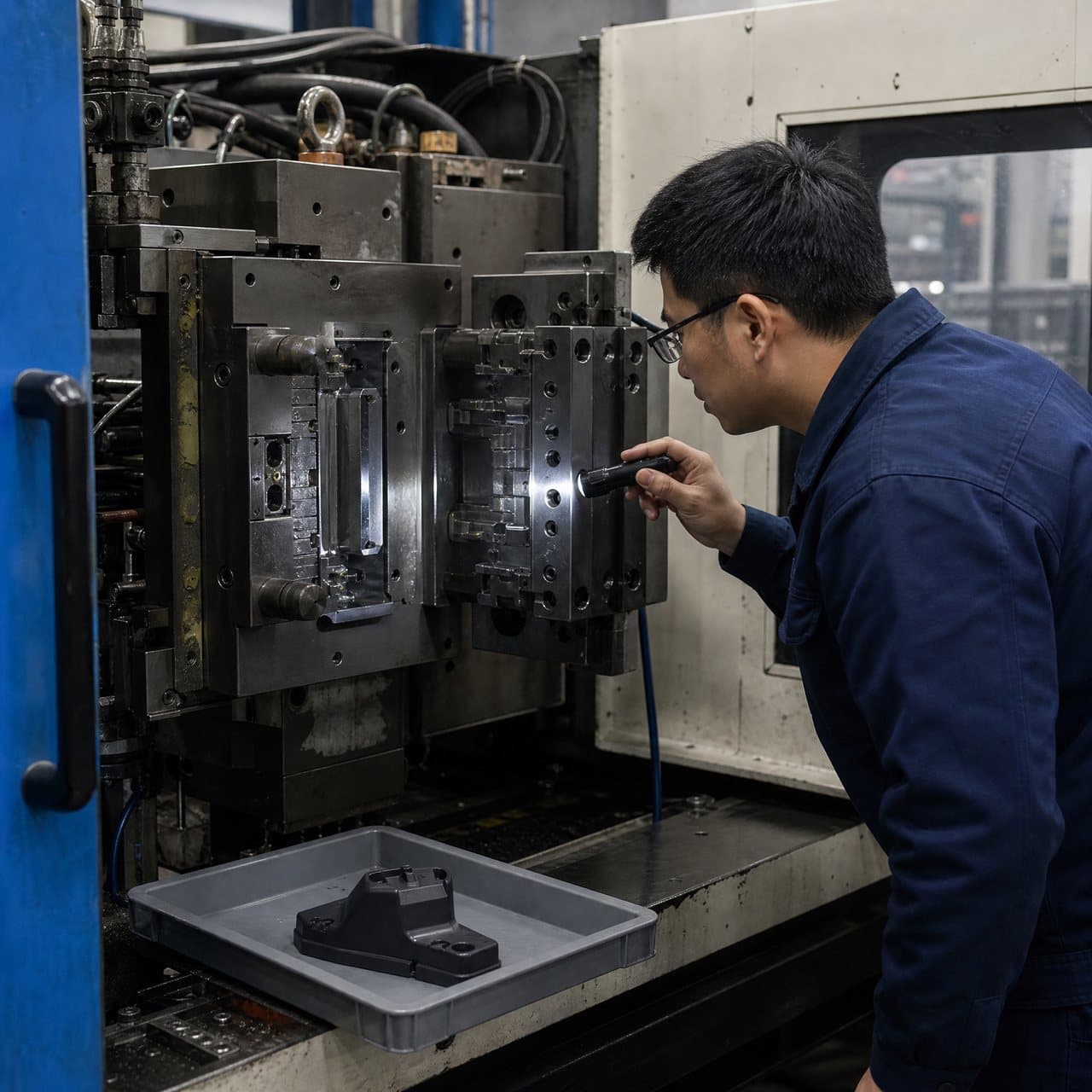
The first response should be a controlled hold on the affected operation, not an informal instruction to keep machining and ‘fix it later.’ Identify the part revision, tool revision, cavity or insert, drawing zone, material condition, machining stage, sample status and planned next operation. Ask the toolmaker to separate completed work, committed work and work that can still be stopped without rework.
Create one change identifier and link it to the marked-up CAD, drawing, tool layout, purchase order and prior approval. NASA describes configuration change management as proposing, evaluating, approving, implementing and verifying a change; that sequence is a useful discipline for commercial tooling too, although NASA project controls are not automatically contractual requirements for a private mold. [1]
02
Ask for a steel-safe feasibility review before choosing a remedy
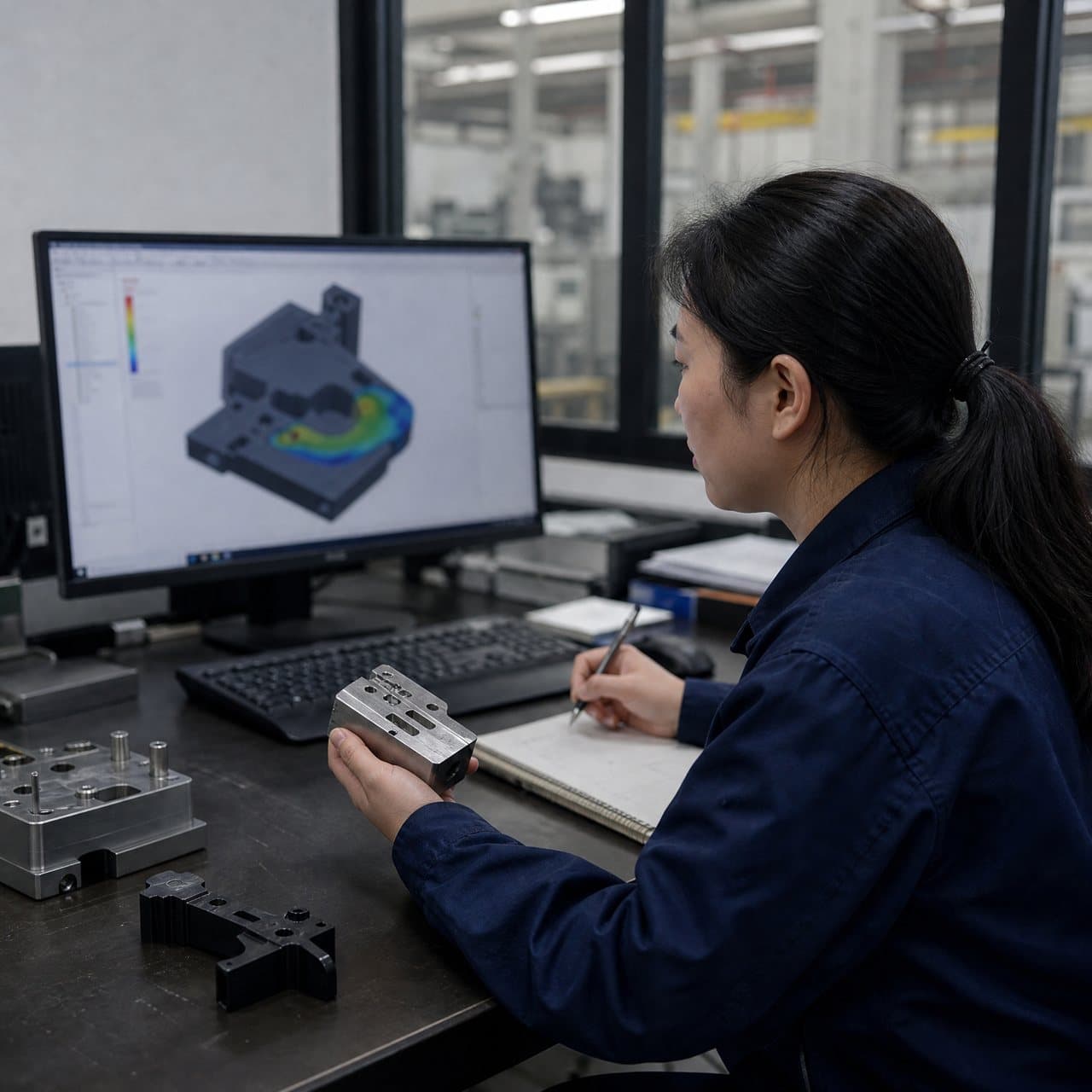
A steel-safe review asks which direction the geometry must move and what metal remains around the feature. If the change can be achieved by removing additional steel, the existing block or insert may retain an adjustment path. If the change requires material to be added, the solution may instead be a replacement insert, weld repair, new component or a different tool strategy. The answer depends on steel grade, heat treatment, feature depth, shut-offs, cooling, draft, texture and the toolmaker’s workmanship limits.
Request a section view or marked-up tool model showing the proposed cut, remaining wall, interference risk and fallback option. Do not treat the phrase ‘steel safe’ as evidence that dimensions, strength, cooling or tool life will be unaffected. For a critical feature, ask whether the supplier recommends a removable insert or a staged cut followed by a sample review. The [DFM and tool design](/dfm) discussion can help frame the review before a revised quote is released.
| Decision point | Question for the toolmaker | Buyer approval evidence |
|---|---|---|
| Work status | What steel has been removed, and what operation is next? | Dated tool status, photos or inspection notes tied to the revision. |
| Geometry direction | Does the change remove steel, add material, or alter an insert or shut-off? | Section view, remaining-stock note and proposed machining path. |
| Reversibility | What can be cut now and what decision becomes irreversible? | Staged work plan with a stop point before the final cut. |
| Risk | Could the change affect CTQs, cooling, ejection, texture, strength or tool life? | Impact review, affected features and verification plan. |
| Fallback | If the sample fails, what insert, repair or remake option remains? | Alternatives, cost ranges, lead-time assumptions and owner. |
03
Turn the recommendation into a decision-ready change order
A quotation alone does not approve an engineering change. The change order should state the trigger, baseline, proposed geometry, affected cavity or insert, technical alternatives, price basis, schedule effect, sample quantity, acceptance criteria and named approvers. It should also say whether the change is a buyer-requested product revision, a correction to an approved tool design, a supplier recommendation or a maintenance action. Cause and contract determine cost ownership; the date of the request does not.
Separate urgent containment from permanent tooling work. A buyer may ask for a sample from the current condition, a temporary insert, or a controlled hold while product engineering confirms the requirement. If the change affects a regulated product, the legal manufacturer or product owner must assess applicable design-control, validation and submission obligations. FDA’s draft guidance on predetermined change control plans is non-binding and specific to medical devices, but it illustrates why a change description, assessment method and implementation evidence should be defined before release. [2]
04
Verify the change with samples that answer the real question
The verification plan should test the purpose of the change rather than merely confirm that a cutter reached a coordinate. Define material and colour, cavity identification, process conditions, measurement datums, critical-to-quality dimensions, functional interfaces, visual surfaces and the disposition of old samples. If the change targets a short shot or sink mark, include the process and appearance evidence needed to show whether the geometry change actually addressed the defect.
For multi-cavity tools, do not assume one acceptable cavity proves all cavities are interchangeable. Record cavity-level results and identify any temporary deviation. A dimensional report, visual approval, fit check or capability study may be appropriate depending on the requirement; no single test is universal. The [quality](/quality) page can support the broader inspection conversation, while the project’s drawing and acceptance plan govern release.
05
Close the change without creating a mixed-revision supply problem
After the trial, release or reject the result against the stated criteria. Update the part and tool revisions, inspection records, control plan, work instructions, maintenance notes, spare-insert list, sample status and commercial record. Identify the date and order range for parts made before and after the change. If old inventory, work-in-progress, packaging or assembled products exist, document segregation and disposition before routine production resumes.
The final handover should make the next order unambiguous: which geometry is current, which insert is installed, what open deviations remain, and what maintenance or future change limits apply. If the mold later moves between sites, preserve this baseline through the [injection mold transfer](/injection-mold-transfer) process. A disciplined closeout protects the buyer’s ownership and the supplier’s production team from relying on an obsolete drawing.
Practical takeaway
Before you move
to the next review.
- Place a documented hold on the affected operation and record the exact part, tool, cavity, insert and machining baseline.
- Request a steel-safe section review that shows remaining stock, irreversible cuts, alternatives and fallback options.
- Issue a change order covering cause, technical scope, cost ownership, schedule, risk, approvers and verification evidence.
- Define sample material, cavity identification, CTQs, datums, visual criteria and disposition of old or mixed-revision parts.
- Close the change by releasing updated drawings, tool records, inspection instructions, maintenance notes and inventory controls.
FAQ
Common questions
What does steel safe mean after mold steel has been cut?
It means the tool is being evaluated for a change path that preserves useful metal and optionality. It does not guarantee that every future change can be made without an insert, repair, new component or schedule impact.
Should buyers stop all mold work when a change is requested?
Usually they should stop the affected or irreversible operation while the baseline and impact are reviewed. Unrelated work may continue only when the toolmaker documents why it cannot compromise the pending decision.
Who pays for a post-steel-cut mold change?
The purchase agreement and documented cause should decide. A buyer-requested geometry revision, supplier correction, approved DFM change and maintenance action may have different commercial treatment.
Can a steel-safe change be approved from photographs alone?
Photographs can show status, but they rarely prove remaining stock, interference, cooling or dimensional risk. Ask for the relevant section view, marked-up model, work plan and defined trial evidence.
Does a mold change require regulatory approval?
It may, depending on the product, market and change. The legal manufacturer or product owner must assess applicable requirements; the molder can provide agreed technical and verification records.
References
Source material
- [1] NASA, “Configuration Management.”
- [2] U.S. Food and Drug Administration, “Predetermined Change Control Plans for Medical Devices.”
- [3] U.S. Federal Acquisition Regulation, “Changes.”
- [4] Protolabs, “A Guide to Steel Safe and Metal Safe Injection Molding.”
This guide is general information for early procurement and engineering discussion. It does not replace product-specific DFM, qualification, validation, regulatory assessment or legal advice.