
Buyers can qualify a second source for molded parts by controlling the tool transfer, defining equivalence to the approved source, verifying measurement and process capability, completing a risk-based validation run, and approving the result through formal change control. A second-source sample that merely looks acceptable is not enough: the evidence should connect the same part requirements to the receiving supplier's tool condition, material, machine, process window, inspection method and release decision.[1] [2]
For Europe, the United States and Middle East OEM programmes, the product owner should decide which requirements are critical, which records are required and whether customer or regulatory approvals are triggered. The molder can supply technical evidence, but it should not silently redefine the drawing, material, acceptance criteria or validated state. The visuals in this guide are illustrative and do not depict a customer part, facility or production result.
Treat the second source as a controlled change to a manufacturing system. Ask for a quote against a defined evidence package: tool audit and transfer plan, equivalence matrix, measurement-system evidence, capability study, validation protocol and change-approval record.
01
Define what must remain equivalent
Start with the approved part definition, not the incoming supplier's preferred process. Freeze the applicable drawing and CAD revision, material grade and colour direction, critical-to-quality dimensions, datum scheme, surface criteria, functional interfaces, assembly tests, packaging and lot-traceability expectations. Record permitted alternatives separately from non-negotiable requirements. This prevents the phrase equivalent part from becoming an informal decision based on appearance or a small sample.
Build an equivalence matrix that compares the incumbent and second source across tool construction and cavity count, hot or cold runner arrangement, steel condition, inserts, cooling, gate and ejection evidence, machine and screw configuration, resin lot controls, secondary operations and inspection method. Differences are not automatically disqualifying, but each difference should have an owner, rationale and verification action. NIST's process-improvement guidance places measurement capability and process stability among the assumptions that should be addressed before interpreting process results.[3]
| Evidence area | Ask the second source to show | Buyer decision |
|---|---|---|
| Part definition | Controlled drawing/CAD revision, CTQs, visual standard and approved deviations. | Is the source making the same requirement set? |
| Tool and cell | Tool identity, cavity map, condition, press fit, auxiliary equipment and maintenance status. | Can the transferred tool run in a defined receiving cell? |
| Material | Resin grade, colour/additives, lot records and drying or conditioning controls where relevant. | Is the material route equivalent or formally approved? |
| Process | Set-up sheet, critical parameters, monitoring plan and reaction plan. | Is there a controlled window rather than one successful shot? |
| Quality evidence | Measurement method, dimensional results, capability data and sample disposition. | Does evidence support release for the intended use? |
| Change control | Open deviations, proposed changes, approvals and requalification triggers. | Who can authorize a change after transfer? |
02
Transfer the tool as an asset with a condition record
Before shipment, request the tool's identity and history: tool drawings, cavity and insert list, steel or surface information where available, maintenance and repair records, last known process sheet, moulding-machine requirements, spare-parts list, inspection reports and any open corrective actions. Confirm ownership, access rights, transport protection, insurance responsibility and the point at which custody changes. A transfer plan should also cover buffer inventory and the order in which the incumbent and new source will provide parts.
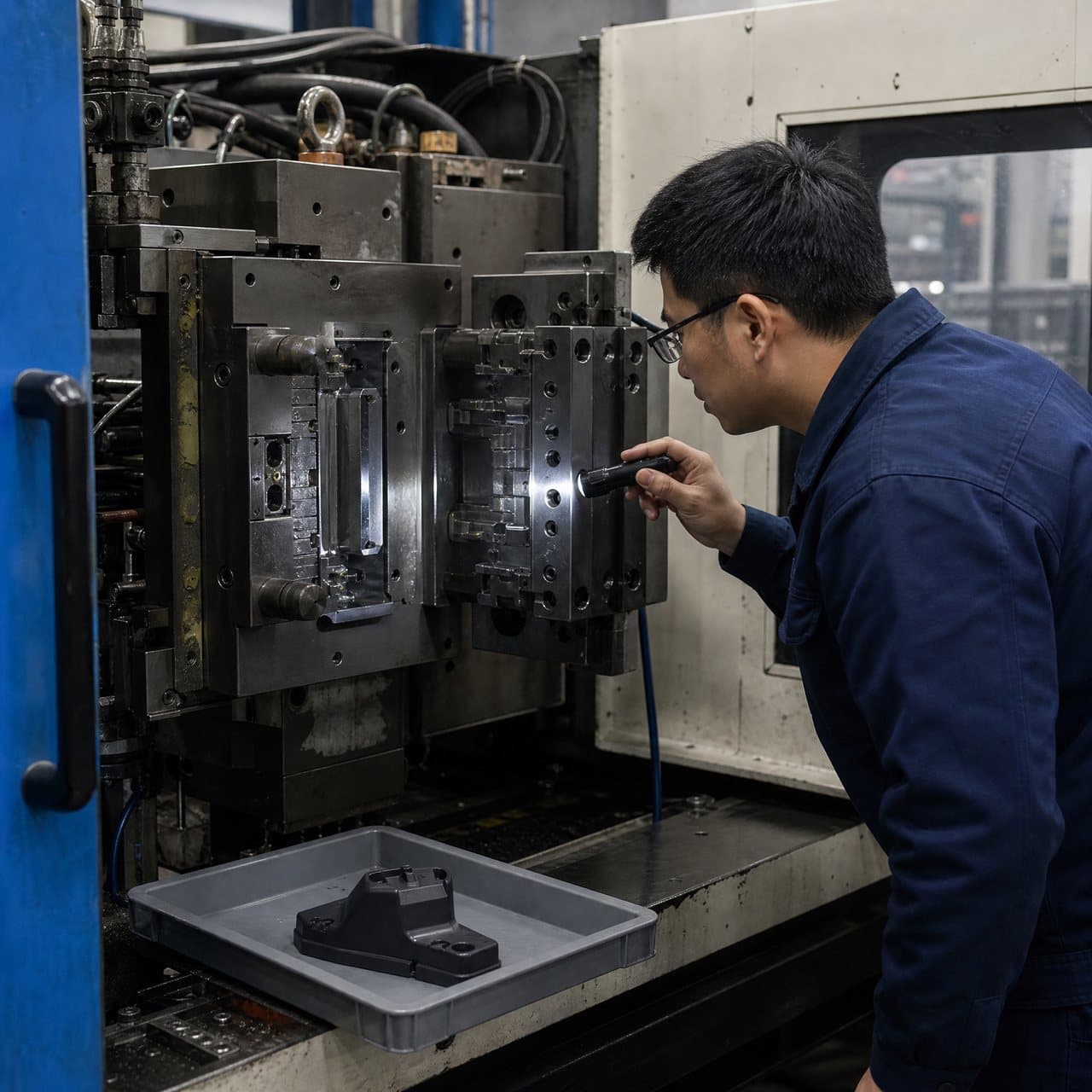
Inspect the tool on arrival before assuming that the receiving source has inherited the incumbent's capability. Check cavity condition, vents, cooling circuits, slides or lifters, ejectors, sensors, runner components, parting surfaces, wear and corrosion. Photograph and record findings. Repairs or optimisation may be sensible, but they change the baseline and should be identified before trial parts are judged. A structured industry transfer process similarly links documentation review, tool inspection, trial shots, first-article inspection and production release rather than treating shipment as qualification.[4]
03
Use capability studies to test repeatability, not to decorate a report
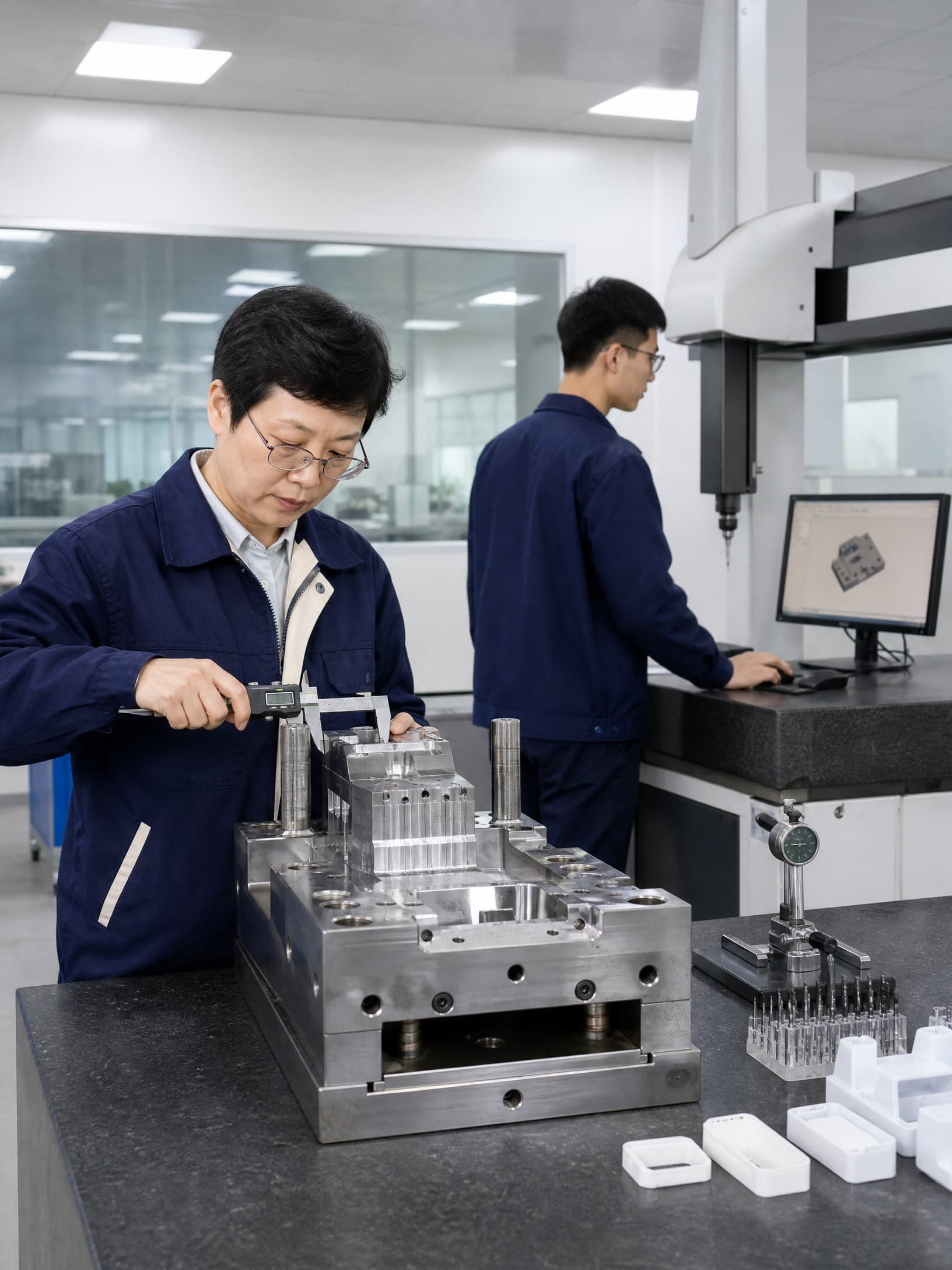
Agree the study plan before sampling. Identify the CTQs, measurement method, sampling interval, number of cavities, resin lot, machine and process conditions, operator or shift coverage, environmental conditions where relevant, and the rule for handling nonconforming observations. The measurement system should be suitable for the tolerance and decision being made; otherwise a calculated index can give false confidence. Separate short-term capability evidence from longer-term stability evidence, and make clear which one the customer requires.
Do not use a capability index as a universal pass or fail number without the customer's specification and risk context. Review the raw observations, control-chart or time-order behaviour, cavity-to-cavity differences, centring, outliers, measurement resolution and any parameter adjustments made during the run. A source that achieves an attractive result only after unrecorded sorting or adjustment has not shown the same process as the one proposed for routine supply. For safety-, performance- or regulatory-relevant characteristics, tie acceptance to the product owner's validation plan rather than a generic supplier promise.[2]
04
Validate the receiving process under agreed conditions
Validation should answer a defined question: can the receiving supplier repeatedly make parts that meet the approved requirements using the transferred tool, specified material and intended production cell? Write a protocol with prerequisites, critical parameters or ranges, sample quantities, cavity coverage, inspection and functional tests, acceptance criteria, deviation handling and approval signatures. Depending on the product and risk, the package may include tool installation checks, process-window work, first-article or dimensional results, capability studies, performance testing, packaging review and a controlled production-equivalent run.
Use a risk-based level of evidence. A commercial housing with broad tolerances may need a different protocol from a sealing component, safety-related interface or medical-device accessory. FDA process-validation guidance describes validation as a documented approach that manufacturers can use to validate manufacturing processes, while EU Annex 15 frames qualification and validation across the lifecycle and calls for impact assessment when planned changes may affect product quality or the control strategy.[1] [5] These sources do not automatically prescribe the protocol for every molded part; the product owner must define the applicable obligation and acceptance decision.
Make the quote request evidence-oriented. Ask the prospective source to quote the transfer audit, trial, inspection, capability study and validation support as identifiable work packages, with assumptions and exclusions. A useful request is: Please quote the transferred-tool audit, agreed qualification run and evidence package against drawing revision X, material Y, CTQ list Z and the attached acceptance plan. That wording gives procurement a comparable basis without promising that every project needs the same test scope.
05
Close the change with a release and monitoring plan
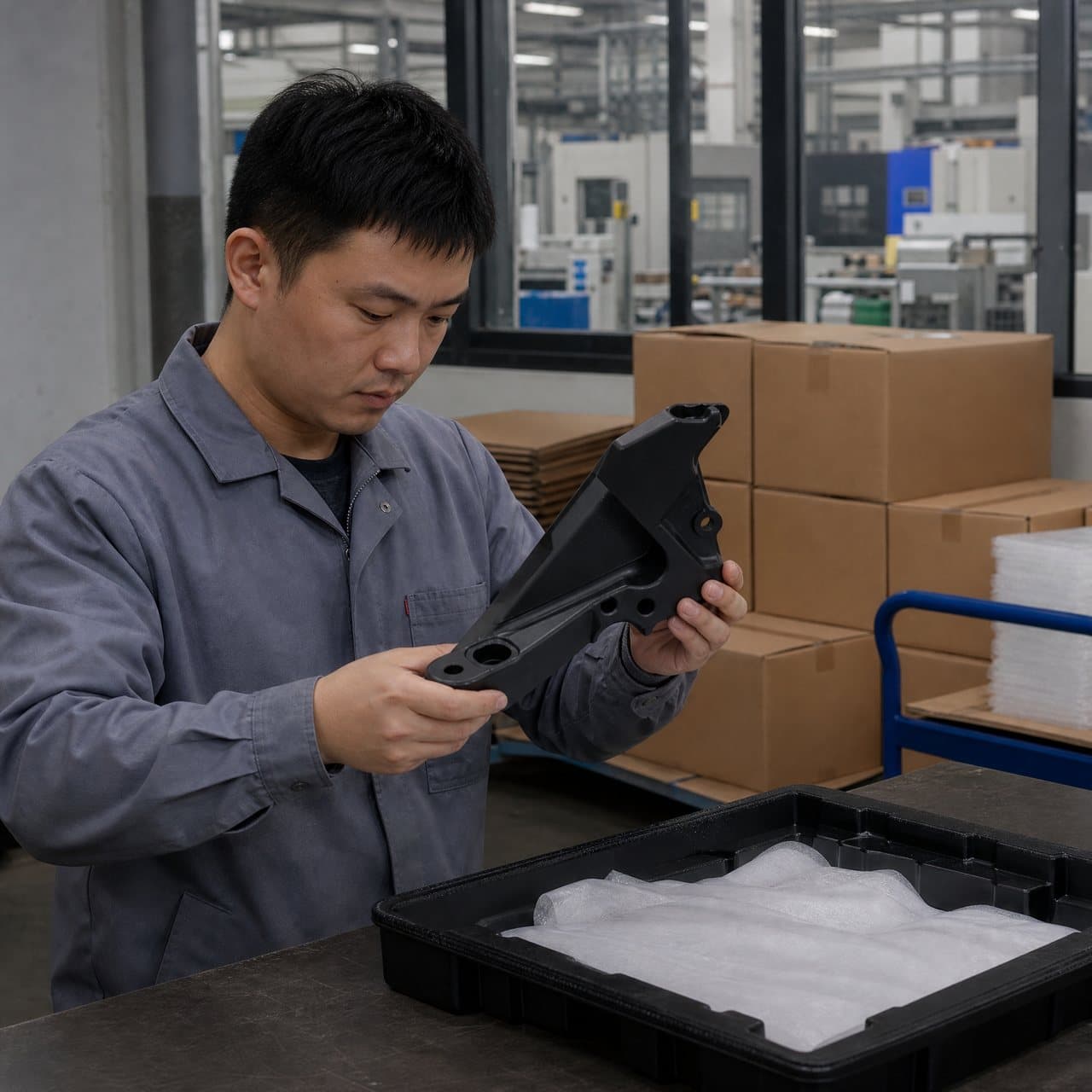
The approval record should state what changed, what did not change, which evidence was reviewed, who accepted deviations, when the second source may ship routine production and how the first lots will be monitored. Update the approved supplier list, purchase specification, control plan, inspection instructions, tool register, work instructions, packaging documents and emergency-contact list as applicable. Keep incumbent and second-source samples traceable so later investigations can distinguish source, cavity, material lot and process condition.
Define requalification triggers before production starts. Examples include tool repair that changes a cavity or cooling feature, resin grade or colourant change, machine or site move, software or automation change, cavity repair, process-window change, new secondary operation, drawing revision or an adverse trend. EU Annex 15 describes formal change control as a way to assess whether action is needed to maintain a validated state and calls for effectiveness review after implementation.[5] For U.S. medical-device programmes, also confirm the product owner's QMSR and quality-agreement obligations; FDA states that QMSR applies to finished-device manufacturers and incorporates ISO 13485:2016 by reference.[2]
A second source is not fully qualified at the first approval signature if the monitoring plan is undefined. Review early production lots against the same CTQs, retain agreed records, investigate drift and set a point at which the evidence will be reassessed. This makes dual sourcing a managed supply decision rather than a one-time price exercise.
Practical takeaway
Before you move
to the next review.
- The approved drawing, CAD revision, material direction, CTQs and visual criteria are frozen or clearly marked as open.
- Tool ownership, condition, maintenance history, transfer custody, receiving-cell requirements and repair decisions are documented.
- The equivalence matrix covers tool, machine, material, process, inspection, secondary operations and packaging differences.
- The validation protocol defines sampling, cavity coverage, measurement method, capability evidence, acceptance criteria and deviation handling.
- Release, monitoring, requalification triggers and formal change-control responsibilities are approved before routine shipment.
FAQ
Common questions
Does a second source need a new mold?
No. A controlled tool transfer may be appropriate when the existing mold is owned, transferable and in suitable condition. The receiving source still needs an inspection, trial and evidence plan. A new tool may be considered if the original tool cannot meet demand, condition or risk requirements.
Can I qualify a second source from first-article samples alone?
Usually not for a risk-sensitive or tightly controlled part. First-article results can confirm dimensions and visible requirements, but they may not demonstrate repeatability, cavity balance, measurement suitability or process stability. The required evidence should follow the product risk and customer plan.
Should the second source use the same injection molding machine?
Not necessarily. The receiving machine and auxiliary equipment should be shown to be suitable, and the process should be qualified in the intended production cell. Differences in machine, screw, controls or thermal history should be assessed rather than assumed irrelevant.
What is the difference between equivalence and identical production?
Equivalence means the second source demonstrates that the approved requirements and relevant performance are met under controlled conditions. It does not require every machine, parameter or tool detail to be identical, but differences must be understood, accepted and controlled.
Who approves a second source for an OEM part?
The product owner or its delegated quality and engineering authorities should make the release decision. The molder supplies evidence and recommendations; procurement can manage the commercial award, but it should not replace technical, quality or regulatory approval.
References
Source material
- [1] U.S. Food and Drug Administration, Process Validation: General Principles and Practices Guidance for Industry.
- [2] U.S. Food and Drug Administration, Quality Management System Regulation (QMSR).
- [3] National Institute of Standards and Technology, Engineering Statistics Handbook: Process Improvement.
- [4] Cascade Engineering, Injection Molding Tool Transfer.
- [5] European Commission, EudraLex Volume 4, Annex 15: Qualification and Validation.
This guide is general information for early procurement and engineering discussion. It does not replace product-specific DFM, qualification, validation, regulatory assessment or legal advice.