
A prototype mold can answer useful questions without proving that a later production tool will perform the same way. Cavity count, cooling, runner system, steel or insert selection, gate location, ejection, press, resin condition and process window can all change between routes. The practical buyer task is therefore not to label a prototype ‘approved’ or ‘failed.’ It is to decide which requirements have been demonstrated, which risks remain open, and what evidence must be generated before authorizing the next commitment.
Use a controlled roadmap with named decision gates. It gives engineering a place to record product learning, quality a basis for measurable acceptance, procurement a comparable supplier scope, and supplier-management teams a traceable change path. The requirements in the purchase order, drawing, quality agreement and applicable market rules take precedence; the recommendations below are a way to make those requirements testable across a global supply chain.
Do not treat a favorable prototype sample as automatic production-tool approval. Approve the next tool only after the buyer has reviewed the evidence against the intended resin, geometry revision, tool architecture, machine conditions, market obligations and contract scope.
01
1. Establish one controlled baseline before choosing the next tool
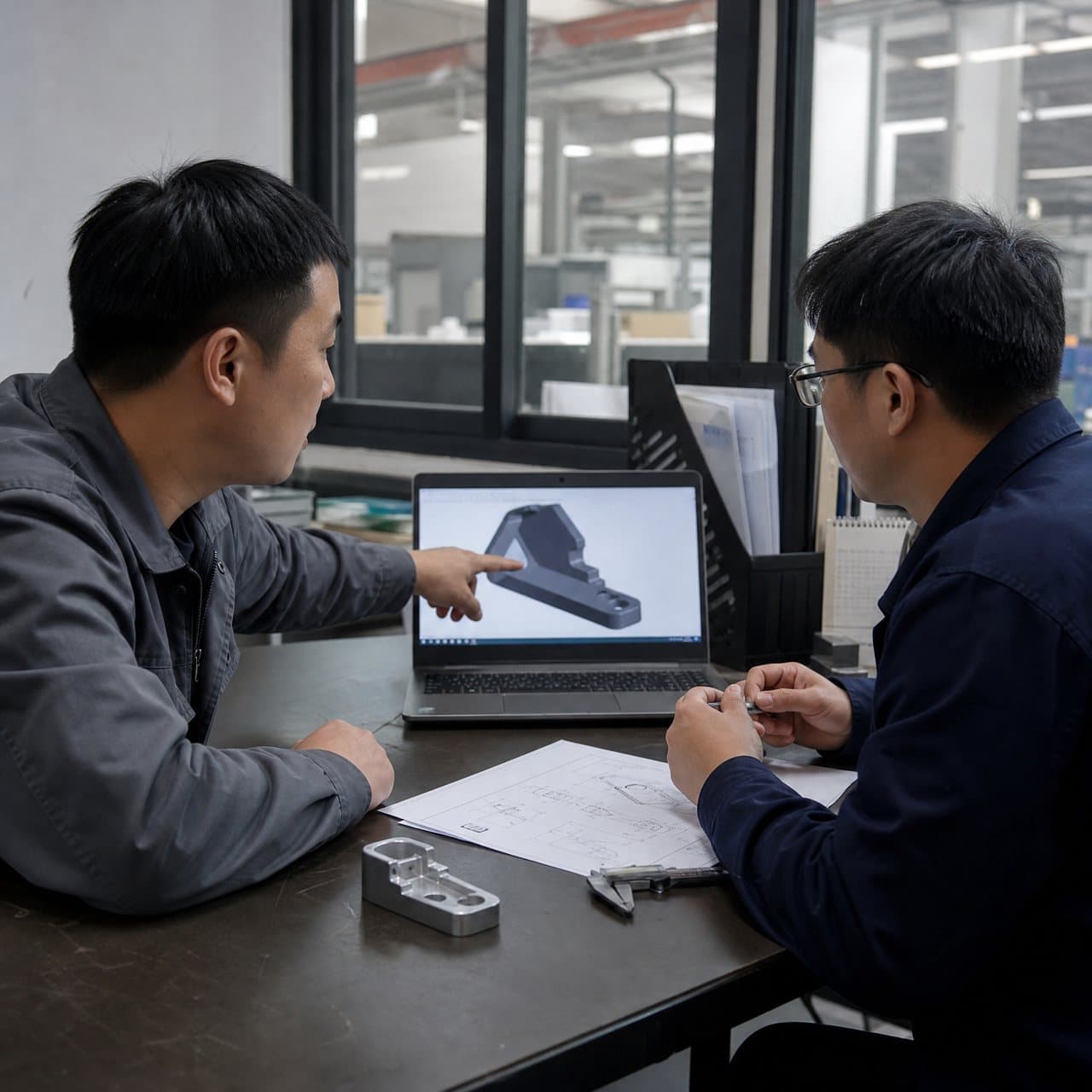
The first gate is a requirements baseline, not a quotation comparison. Issue revision-controlled 3D CAD and drawings, identify functional interfaces and cosmetic surfaces, state the intended resin grade and colour direction, and distinguish critical-to-quality (CTQ) features from routine dimensions. Add the forecast by phase—prototype, bridge and expected production demand—plus the target market, packaging, secondary operations and ownership or transfer expectations. Where a requirement is not decided, mark it as open and assign an owner and decision date.
As a requirement, request that each supplier identify the assumed tool concept: cavitation, runner approach, gate and parting-line proposal, ejection, cooling concept, moving features, expected sample scope, press assumptions and exclusions. Do not compare a prototype tool quote with a production-tool quote as if they describe the same deliverable. As a recommendation, ask the supplier to mark which requirements were used as inputs, which are assumptions, and which need a DFM decision before steel release.
Set a document index at this gate. It should name the CAD and drawing revisions, material specification, DFM log, risk or issue log, sample plan, measurement method, commercial scope and change-approval authority. This is more useful than a folder of disconnected files because later sample and tooling records can be traced back to the requirement they were intended to test.
02
2. Use prototype molding to close defined questions, not to make a general promise
Before ordering prototype samples, write a short learning plan. State what the run must answer: assembly fit, resin selection, local feature fill, insert loading, cosmetic direction, functional loading, sealing concept, dimensional trend or limited market testing. State the sample condition as well: part revision, resin manufacturer and grade, colour or additive, regrind policy if relevant, cavity identity, machine used, and any secondary operation. Without that provenance, a sample result may be difficult to interpret or repeat.
A buyer should request the prototype tool concept, DFM decision record, trial summary, sample quantity and cavity identification where applicable, material evidence available under the agreed supply arrangement, dimensional or functional results against the agreed sample plan, and a list of deviations. Photographing a part is not a substitute for a measurement record or defined visual criteria. If a feature cannot be measured reliably at this stage, document the limitation and the planned production-stage method rather than silently accepting it.
Prototype evidence is strongest when the intended production resin and relevant product geometry are represented. Even then, it should be applied cautiously. A later mold may have a different cooling layout, gate, runner, cavity arrangement or press, so cycle behavior, warpage, appearance and capability must be reconfirmed against the production configuration. Treat a prototype as evidence for the specific question tested, not as universal proof of mold life, tolerances, cycle time or final unit cost.
03
3. Hold a documented transition gate before releasing production-tool manufacture
The transition gate is where the cross-functional team decides whether to revise the product, use a bridge route, retain the prototype route for a defined purpose, or release a production tool. The buyer should approve the production-tool requirements and the closure plan for open risks separately from approving an early molded part. A tool design review should show the proposed architecture and make trade-offs visible, including gates, runners, cooling, venting, ejection, parting line, slides or lifters, inserts, sensor or automation provisions where specified, and maintenance-access implications.
Define objective acceptance points before manufacture begins. They can include approved DFM actions, controlled design revision, agreed resin scope, CTQ and datum strategy, visible-surface standard, measurement method, trial sequence, sample quantities, records to be supplied, deviation handling, change-control route and ownership terms. ISO 20457:2026 provides a plastics-specific framework for tolerances and acceptance conditions, but it does not replace the buyer’s functional drawing, product-specific requirements or contract.[1]
The following matrix is a practical way to assign evidence and approval at each stage. Tailor it to the programme; regulated, automotive, aerospace or customer-specific programmes may require additional records and formal submissions.
| Decision gate | Buyer should check and request | Required approval or recorded outcome |
|---|---|---|
| Prototype learning complete | Controlled part revision; resin and trial provenance; results for the questions in the learning plan; open-deviation list. | Engineering and quality record which questions are closed, which remain open, and whether the evidence can transfer to the next route. |
| Production-tool release | Signed DFM actions; tool-design package or agreed review output; cavity and runner concept; inspection and sample plan; change procedure; commercial inclusions and exclusions. | Authorized buyer representative releases the specified revision and accepts any documented residual-risk plan. |
| Tool trial and correction loop | Trial record with tool and machine configuration; material condition; cavity identity; process settings or approved ranges; dimensional, functional and visual evidence; modification log. | Buyer disposition: accept for the next trial, conditionally proceed with named actions, or hold. Do not treat informal email comments as a change authorization. |
| Production readiness | Production-intent samples; inspection results; agreed control plan; measurement-method evidence where required; packing and traceability records; approved deviations closed or time-bound. | Quality and engineering approve the defined release package under the contract or applicable customer process. |
04
4. Approve production readiness with evidence from the intended configuration
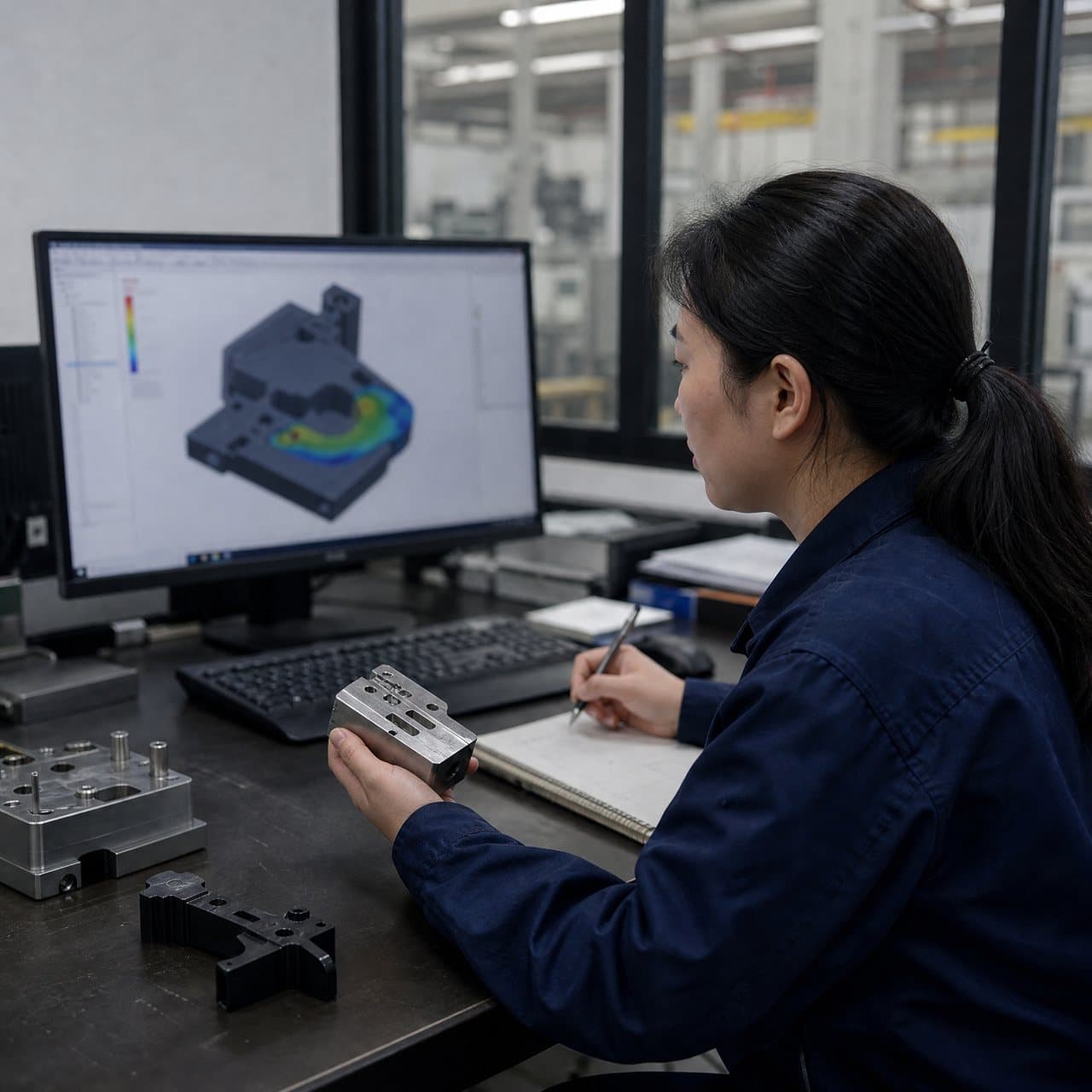
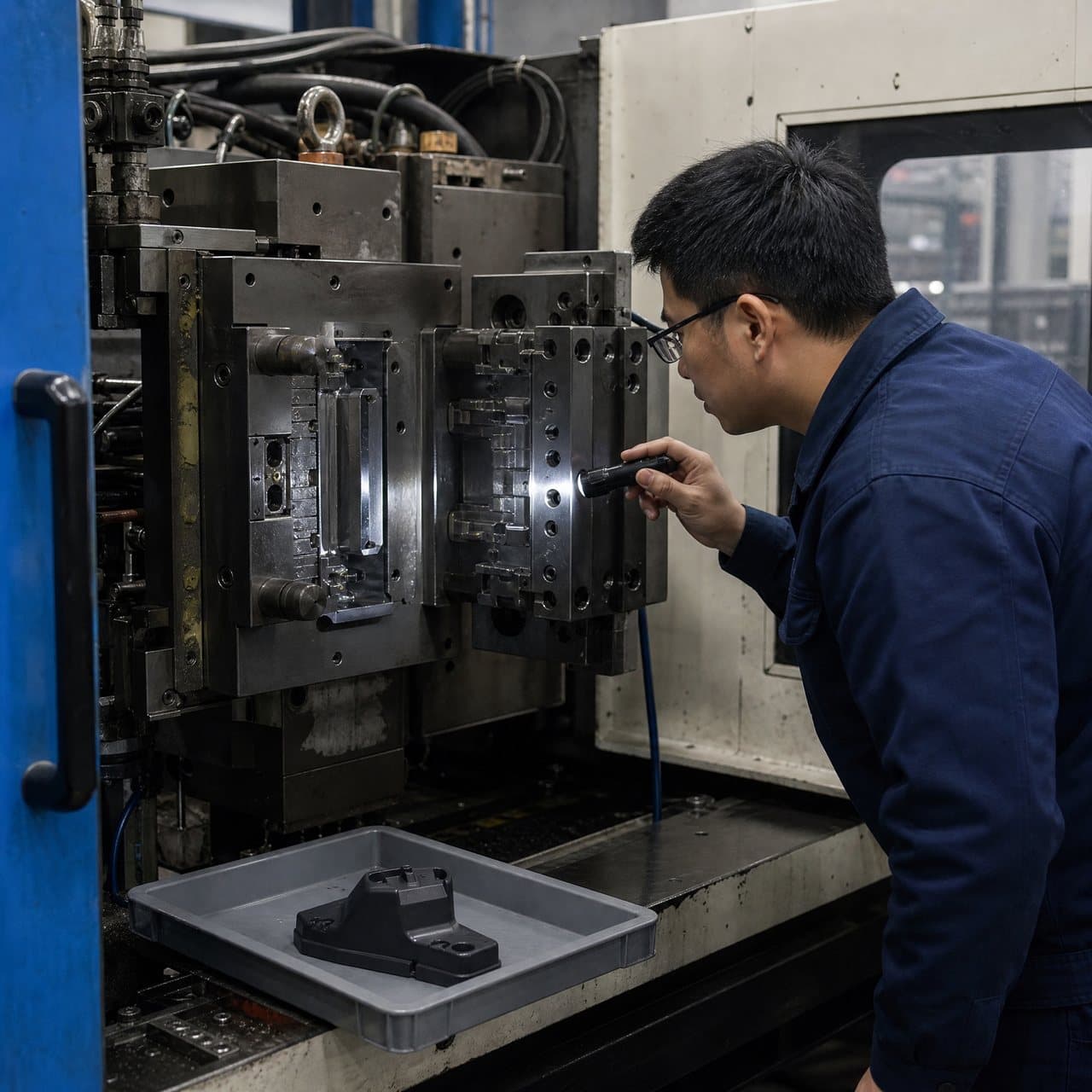
Production readiness should be evaluated against the configuration that will make the parts, not against an idealized trial. Request a tool and trial record that identifies the production-intent mold revision, press and auxiliary equipment where relevant, resin grade and lot controls as agreed, cavity identification, process settings or approved operating ranges, sample selection, inspection method and results. Confirm that CTQs, functional assembly checks and agreed visual criteria were evaluated at the right locations and under the stated conditions.
Ask for a control plan or equivalent production-control document that translates the approved requirements into checks, frequency, responsibility, reaction to nonconformance and record retention. A quality plan can define specifications, testing, acceptance criteria, responsibilities and change procedures; its detail should fit the programme rather than follow a one-size-fits-all template.[2] For automotive programmes, a PPAP submission may be contractually required. AIAG describes PPAP as a process for demonstrating that engineering design-record and specification requirements can be met consistently during an actual production run at production rates.[3] Do not call a package ‘PPAP’ unless the applicable customer requirement and submission level have been agreed.
Review measurement credibility as well as the reported dimensions. A buyer may require the supplier to state the method, equipment status, datum setup, sampling basis and measurement uncertainty where the decision depends on it. NIST notes that traceability is a property of a measurement result supported by a documented, unbroken calibration chain with associated uncertainty; a calibrated instrument alone does not make every result fit for purpose.[4] Select the level of evidence to match the risk, CTQ and contractual requirement.
05
5. Release, maintain and change the tool under the same controls
A production release should name exactly what is approved: part and drawing revisions, resin and colour scope, tool revision and cavity status, acceptance records, approved process-control basis, packaging, traceability, any temporary deviation, and the date or conditions that end it. It should also identify who may authorize a tool change, process change, material substitution, repair, cavity disablement, transfer or maintenance action that could affect approved characteristics. This prevents a production change from being hidden inside routine tool work.
Require a change notice before implementation when the change can affect fit, form, function, appearance, compliance, process capability, packaging or agreed documentation. The notice should describe the reason, affected revision, proposed validation, sample or requalification need, disposition authority and effective date. A repair or preventive-maintenance action may not require the same evidence as a design change, but the criteria should be agreed before a dispute arises.
For overseas sourcing, keep the release package accessible to the owner of the technical requirement and define how drawings, mold data, spare-parts lists, maintenance history, packing records and transfer documents are controlled. The correct record set depends on resin, geometry, tool architecture, machine, destination market and contract terms. It is prudent to define the retention, access, confidentiality, ownership and transfer obligations in the purchase order or quality agreement rather than assume that a tool shipment alone transfers usable production knowledge.
Practical takeaway
Before you move
to the next review.
- Issue a controlled requirements baseline that identifies CTQs, resin direction, cosmetic limits, volumes, target market, open decisions and approval owners.
- Approve a prototype learning plan that ties each sample result to a defined question and records resin, tool, cavity, machine and part-revision provenance.
- Before production-tool release, compare supplier tool concepts and approve DFM actions, residual risks, inspection methods, trial scope and change-control rules.
- Require production-intent trial evidence, a defined control plan or equivalent, agreed acceptance criteria and a disposition for every deviation before production release.
- Maintain a revision-controlled release and change record covering the part, tool, resin, process controls, records, maintenance, ownership and transfer obligations.
FAQ
Common questions
Can prototype-mold samples qualify a production injection mold?
They can support a specific decision, such as material selection, assembly fit or a local design feature, when the test conditions are documented. They do not automatically qualify a later production mold because tool architecture, cooling, gates, cavities, press conditions and process controls may differ. Define which evidence transfers and which production-intent checks must be repeated.
What should a buyer approve before production-tool steel is cut?
Approve the controlled part requirements, DFM decisions, tool concept, material scope, CTQ and datum approach, visible-surface expectations, trial and inspection plan, change-control route, deliverables and commercial scope. The appropriate detail depends on the part, resin, geometry, destination market and contract; a generic approval cannot replace these programme-specific inputs.
Which records should accompany a production-tool trial?
Request a trial record that identifies the tool revision and cavity status, part revision, resin condition as agreed, machine and relevant auxiliary setup, process settings or approved ranges, sample selection, inspection method, results, defects or deviations and corrections made. Add functional, visual or assembly evidence where those requirements apply. Agree the exact format and retention period in advance.
Is a PPAP package required for every injection-molding programme?
No. PPAP is commonly associated with automotive supply requirements and should be used when the customer, market or contract requires it. Other programmes may use a tailored production-approval package. In either case, define the required evidence, submission level if applicable, acceptance criteria, approver and change-notification rules rather than relying on the name of the package alone.
References
Source material
- [1] ISO — ISO 20457:2026, Plastics moulded parts — Tolerances and acceptance conditions
- [2] ASQ — What is a Quality Plan?
- [3] AIAG — Production Part Approval Process
- [4] NIST — Metrological Traceability
This guide is general information for early procurement and engineering discussion. It does not replace product-specific DFM, qualification, validation, regulatory assessment or legal advice.