
Bridge tooling is a temporary or limited-life injection mold used to support a product between prototype development and a longer-life production route. It may help a buyer obtain production-representative parts, support a controlled launch or test demand before committing to a more complex tool. It is not automatically a cheaper version of production tooling. Tool material, cavity strategy, cooling, expected shots, resin, cosmetic requirements, maintenance and validation scope all change the business case.
A sound bridge tooling decision starts with the released part definition and the specific gap the tool must close. Ask whether the need is design learning, market release, service supply, launch protection, demand uncertainty or capacity while a production tool is built. Then define what evidence is required, what remains provisional and what event ends the bridge phase. InjeForm’s [capabilities](/capabilities), [process](/process) and [quality](/quality) pages provide useful context for framing that discussion before a quotation is requested.
Bridge tooling is valuable when it buys verified learning or controlled time-to-market. It is risky when it quietly becomes an under-specified production tool without agreed life, quality evidence, maintenance, ownership or exit criteria.
01
1. Define the business problem before choosing the tool
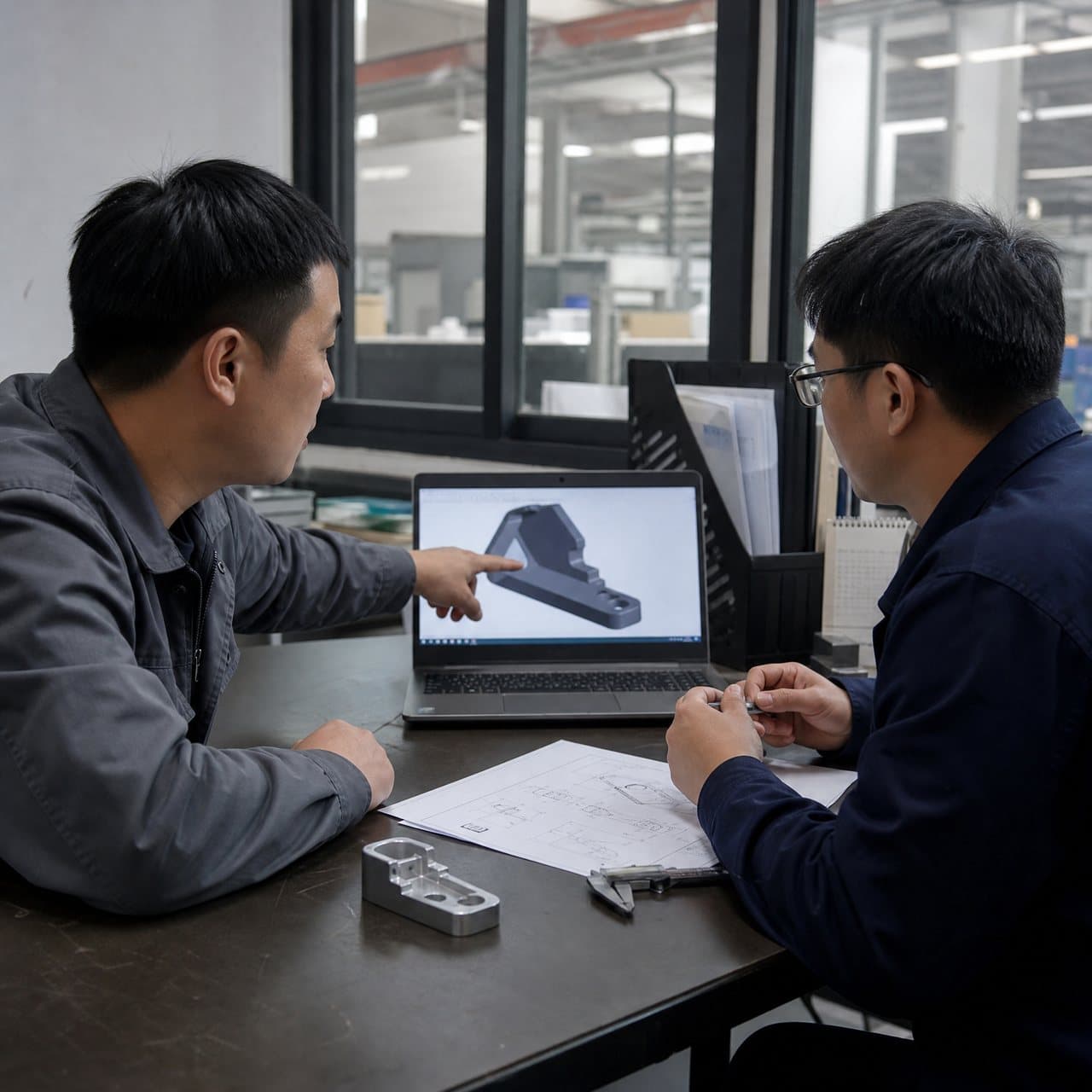
A bridge mold should solve a named transition problem. The product may need a limited release before demand is known, parts for customer or assembly trials, launch quantities while a production mold is being completed, or a short service run after the design is stable but demand does not justify a long-life tool. These are different use cases with different evidence and cost boundaries.
Do not use the label to hide an unresolved design. If the part still has open interfaces, uncertain resin direction, changing cosmetic requirements or untested functional features, the bridge tool may be a learning asset rather than a production asset. That can be appropriate, but the buyer should budget for likely revisions and avoid treating its parts as automatically equivalent to parts from the future production tool. Protolabs describes bridge tooling as a way to validate both the part and aspects of the production method before final tooling [1].
Write the target quantity as a range rather than a single optimistic forecast. Include launch demand, engineering samples, scrap and rework assumptions, safety stock, replacement parts and the possible duration of the bridge phase. The supplier should state the assumed shots, maintenance interval and expected part-quality window, not just a nominal tool material.
02
2. Compare bridge-tooling concepts on risk, not only upfront price
Aluminum or other relatively fast-to-machine tool concepts can reduce the time needed to obtain molded parts, while steel or production-intent inserts may offer a better path when the tool must survive a longer run or a demanding resin. The correct choice depends on the expected shots, geometry, abrasiveness, pressure, cooling needs, surface requirements, dimensional stability and repair strategy. A material name alone does not establish tool life or part capability.
Cavity count is also a strategic choice. A single-cavity bridge tool may simplify early learning and reduce the cost of changing a design. A multi-cavity bridge tool can improve output but introduces cavity balance, cavity-to-cavity measurement and maintenance considerations. If the future production mold will use a different cavity count, machine or runner concept, qualify which results transfer and which do not.
Use the following comparison as a starting point. The entries are decision prompts, not universal performance guarantees; the supplier should confirm the actual proposal against the part, resin and demand scenario.
A bridge quote should separate tool build, inserts, engineering, sampling, modifications, maintenance, spare components, part production, inspection, packaging, freight and the future production tool. A low initial tool price can be misleading if it excludes trial loops, cavity-specific inspection, special resin handling or the cost of converting the bridge design into production tooling.
| Buyer scenario | Potential bridge approach | Main questions before award | Likely exit signal |
|---|---|---|---|
| Design is stable, demand is uncertain | Limited-life tool with conservative cavity count | What quantity and service life are included? Can revisions be made without scrapping the tool? | Demand and design evidence justify a long-life production tool or a deliberate continuation. |
| Launch is time-critical while production tooling is built | Fast bridge tool paired with a separately controlled production-tool schedule | Which features and materials represent production? How will bridge and production parts be distinguished? | Production tool passes agreed sampling and release gates. |
| Customer or assembly trials need molded parts | Tool optimized for representative resin and critical interfaces | Which dimensions, fit tests and cosmetic features must be representative? | Trial results close the identified design or assembly questions. |
| Short service or replacement run | Simple tool sized to a documented lifetime demand | How will tool preservation, maintenance and future access be handled? | Demand is exhausted, product is retired or a replacement route is approved. |
| Design remains likely to change | Prototype or bridge route with explicit revision budget | Who owns revision decisions and what evidence is required after each change? | Design freeze and production-tool approval are documented. |
03
3. Specify what must transfer from bridge parts to production parts
Bridge parts are useful only when the buyer understands what they represent. Identify the production-intent resin manufacturer and grade, color or additive direction, gate and parting-line constraints, critical dimensions, assembly interfaces, cosmetic zones and functional tests. If the bridge process uses a different material, machine, cavity count, cooling concept or finishing route, record the limitation beside the result.
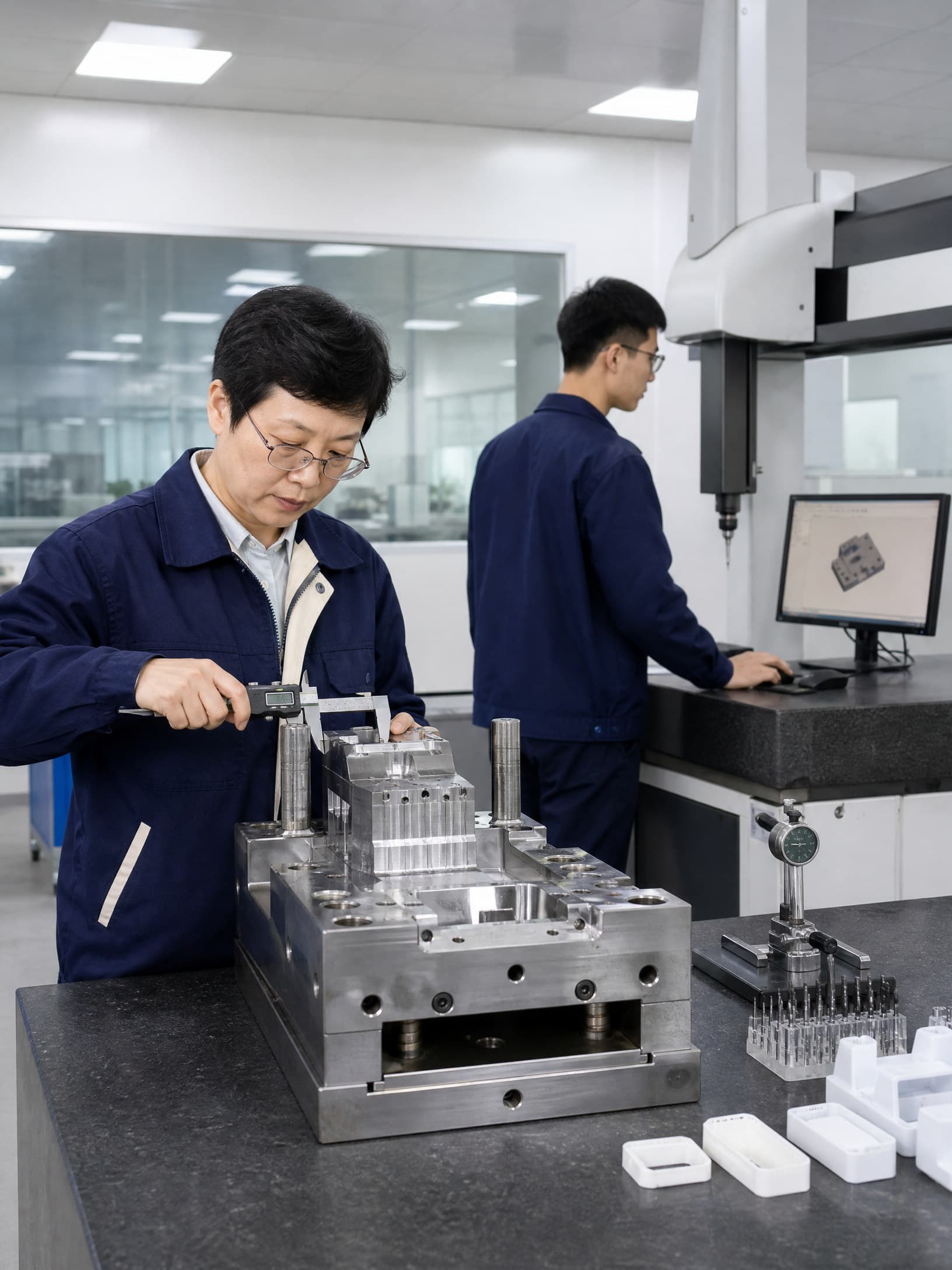
Define critical-to-quality characteristics before sampling. A dimensional report should identify datums, measurement method, sample quantity and cavity or lot traceability. Fit, sealing, force, torque, electrical contact, pressure, fatigue or environmental tests should be tied to the intended application and agreed acceptance criteria. A bridge sample that looks good may still be unsuitable evidence for a safety, regulatory or long-life requirement.
Ask for a DFM review that covers draft, wall transitions, ribs, bosses, undercuts, gate location, weld lines, venting, ejection, shrinkage and warpage. The review should distinguish a risk that the bridge tool can tolerate from a design issue that will remain in the production tool. Use [request a quote](/request-a-quote) with the drawing, CAD, material direction, expected quantity and required evidence so assumptions are visible early.
04
4. Put commercial ownership, maintenance and change control in writing
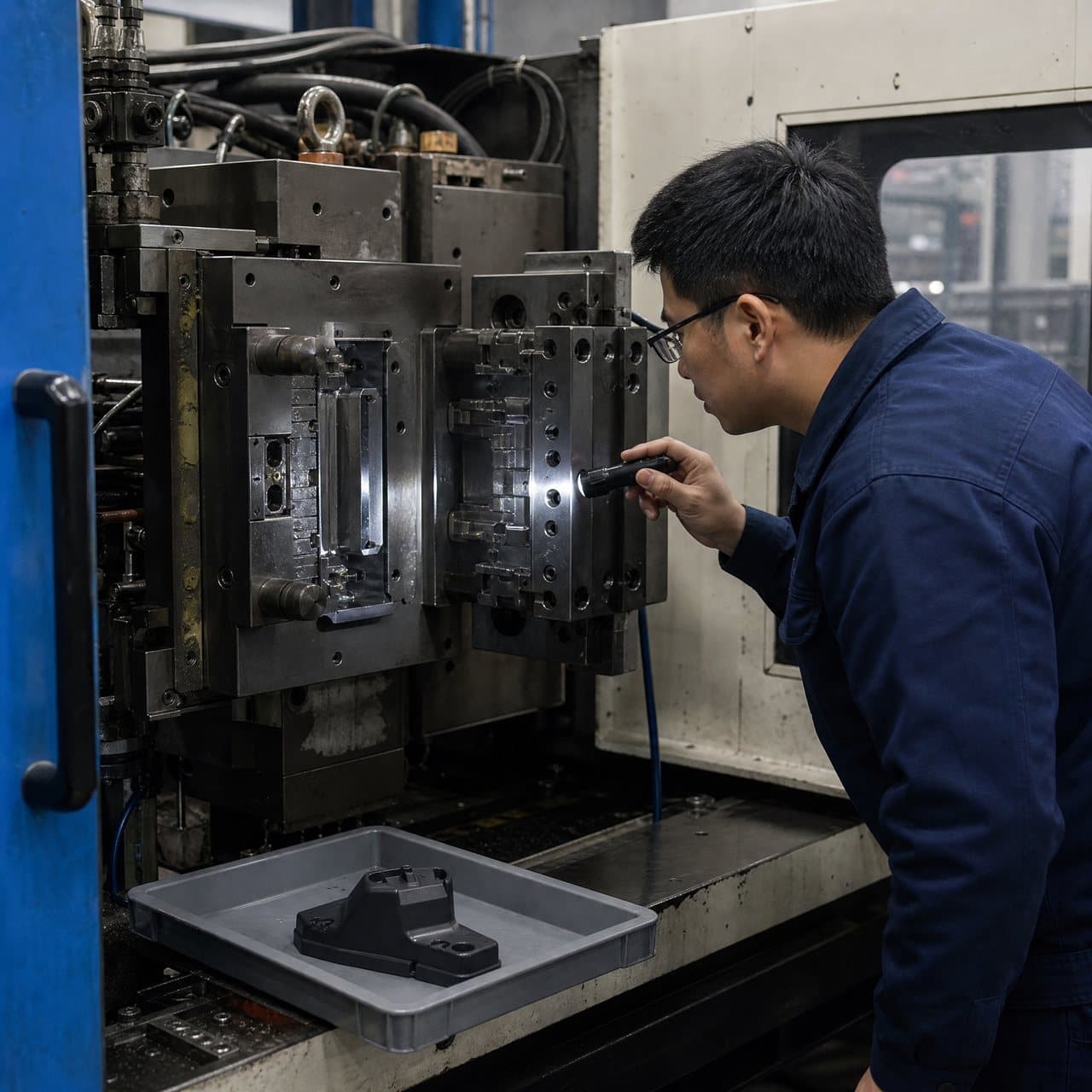
The bridge phase can create ambiguity because the tool may be described as temporary while it remains valuable to the buyer. Confirm tool ownership, storage location, access rights, maintenance responsibility, repair approval, spare inserts, cavity identification, records and transfer conditions. Specify whether the supplier may use the tool for future orders and how customer-owned data and tooling will be protected.
Set a change-control route before the first cut. A design revision, resin substitution, gate change, insert repair, cavity abandonment or process change can alter the evidence already collected. The buyer should know which changes require advance notice, new samples, dimensional re-approval or a revised production release. ISO 9001 is a quality-management reference, but the applicable customer, contractual and regulatory obligations still need to be defined for the specific program [2].
Agree how bridge parts are identified and segregated from production-tool parts. The records should capture tool revision, cavity, resin lot, production date, machine or route where relevant, inspection status and open deviations. If an issue appears after shipment, the supplier and buyer need a practical way to identify affected lots and decide on containment.
05
5. Build a qualification plan and a real exit decision
A useful bridge program has staged gates: input review, tool concept approval, first trial, corrective actions, representative sampling, functional or assembly testing, limited release and production-tool readiness. The gate names can vary, but each should have an owner, evidence list, acceptance criteria and disposition for open issues. Do not approve a bridge tool merely because it produces parts; approve it for a defined use and quantity.
The exit decision should be made before the bridge tool is exhausted. Possible outcomes include moving to a production tool, extending the bridge run with a documented risk review, modifying the bridge tool, freezing the product for a different route, or ending the program. Compare the remaining demand and risk with the cost of another tool, not only with the sunk cost of the bridge tool.
For regulated, safety-related or customer-controlled products, the product owner must define the required validation and submission path. A bridge tool does not waive those obligations. Keep the evidence package proportionate to the application, and avoid claiming that a trial, material document or supplier quality statement proves finished-part compliance by itself. InjeForm’s [quality](/quality) and [FAQ](/faq) routes can help organize the questions for a project-specific review.
06
6. Choose the supplier through evidence and communication discipline
During sourcing, ask each supplier for a written assumption register. It should cover tool concept, cavity count, tool material, expected life, resin and color, machine or process assumptions, sample timing, inspection scope, maintenance, modifications, exclusions, ownership and the proposed transition to production tooling. This makes quotes comparable and gives engineering and procurement a shared baseline.
Review how the supplier handles uncertainty. A credible partner should identify where bridge results may not transfer, what needs a trial, which dimensions are sensitive to process or tool design and what information is still missing. Ask for examples of tool revision records, sample labeling, dimensional reporting and nonconformance escalation without assuming that a claimed certificate or generic capacity statement proves project suitability.
Use InjeForm’s [process](/process) route to align RFQ, DFM, tool build, trial and delivery discussions. When the part, annual volume, material direction and acceptance plan are ready, send the controlled package through [request a quote](/request-a-quote) rather than comparing an isolated bridge-tool price.
Practical takeaway
Before you move
to the next review.
- State the transition problem, demand range, required bridge quantity, launch date, service horizon and likely design-change exposure.
- Require the supplier to identify tool material, cavity count, expected life, resin basis, cooling and ejection assumptions, maintenance interval and modification limits.
- Define which bridge-part dimensions, interfaces, appearance zones, material properties and functional tests must represent the intended production route.
- Put ownership, storage, access, repair approval, spare components, tool records, lot traceability and change notification into the commercial or quality package.
- Set approval gates for DFM, tool concept, first trial, representative samples, functional or assembly evidence and limited release.
- Document the exit criteria for production tooling, bridge extension, redesign, transfer or program closure before the bridge tool is committed.
FAQ
Common questions
What is bridge tooling in injection molding?
Bridge tooling is a temporary or limited-life injection mold used to provide molded parts during a transition, such as while demand is being tested, the design is being finalized or a longer-life production tool is being built. Its suitability depends on the tool concept, resin, geometry, expected quantity, quality evidence and intended use.
Is bridge tooling always made from aluminum?
No. Aluminum is one possible fast-to-machine option, but steel inserts, hybrid concepts and other tool constructions may be appropriate. The buyer should select the concept against expected shots, resin abrasiveness, cooling needs, dimensional requirements, surface finish, repairability and the planned production route rather than choosing by material label alone.
Can parts from a bridge mold be sold to customers?
Sometimes, but not automatically. The product owner must decide whether the bridge parts meet the applicable drawing, functional, customer, regulatory and traceability requirements. If the bridge process differs from the intended production route, document what the samples do and do not demonstrate, and obtain the required release before shipment.
How should buyers compare a bridge-tool quote with a production-tool quote?
Compare the complete scenario: tool and insert cost, cavities, expected life, part price, resin, sampling, inspection, maintenance, repairs, modifications, packaging, freight, validation, ownership and the cost or timing of the production-tool transition. Use the same drawing revision, demand assumptions and acceptance criteria, and ask each supplier to list exclusions.
When should a buyer stop using a bridge tool?
Stop or formally re-authorize the bridge route when its defined life, quality window, demand assumption or maintenance condition is reached, or when the production tool passes its release gates. A documented review should also occur after a major design, resin, cavity, machine, customer or application change.
References
Source material
- [1] Protolabs, How to Use Injection Molding for Bridge Tooling
- [2] ISO, ISO 9001:2015 Quality management systems — Requirements overview
- [3] AIAG, Quality Core Tools
- [4] NIST/SEMATECH, e-Handbook of Statistical Methods
This guide is general information for early procurement and engineering discussion. It does not replace product-specific DFM, qualification, validation, regulatory assessment or legal advice.