
Startups and new brands validating a product
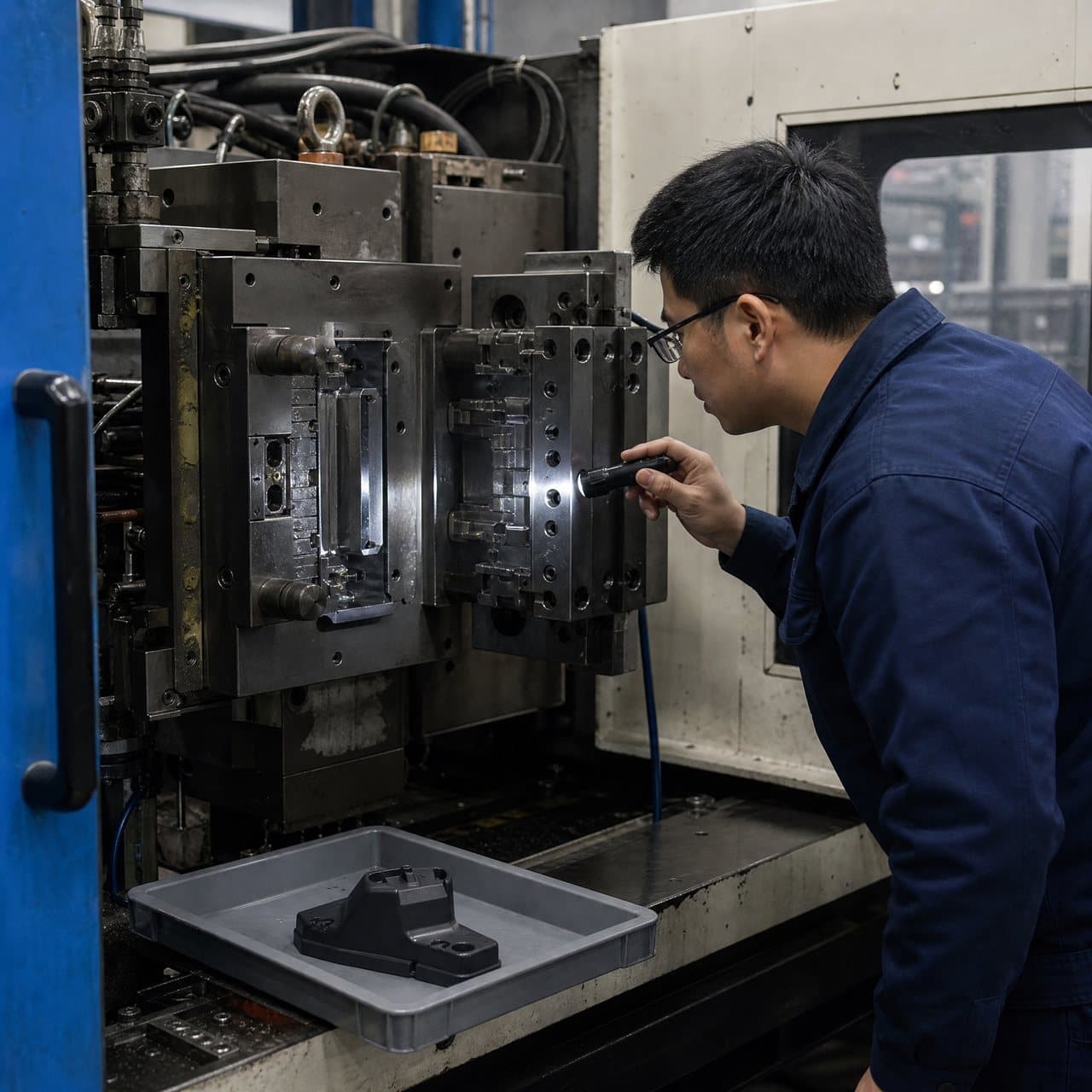
Prototype to short-run production
Low-volume injection molding for
new products.
Choose a practical tooling and molding route for prototypes, startup launches, pilot runs and small-batch plastic part production.
InjeForm
For OEM and product teams across Europe, North America & the Middle East
A practical sourcing route
Make the next
decision clearer.
Low-volume molding is a program decision, not simply a smaller version of mass production. The right route balances sample learning, tooling investment, part quality, future demand, change risk and the point at which the product may move to a production mold.
Buyer-led scopeEngineering evidenceControlled handover
Project fit
Where this route
helps most.
Start with the questions that affect tooling, quality, timing and total program risk.
Pilot runs before a demand forecast is proven
Small-batch spare parts, replacement parts or regional launches
What buyers can align
Evidence that supports
the next gate.
Scope the work around decisions and records—not broad promises.
Prototype, bridge or production-tooling route comparison
Defined with the part, tool, material, volume and acceptance requirements in scope.
Cost and timing assumptions by stage
Defined with the part, tool, material, volume and acceptance requirements in scope.
Pilot sample and inspection plan
Defined with the part, tool, material, volume and acceptance requirements in scope.
Transition criteria for production tooling or higher cavitation
Defined with the part, tool, material, volume and acceptance requirements in scope.
Decision framework
Compare the
trade-offs.
| Situation | Potential route | Main question |
|---|---|---|
| Design still changing | Prototype or bridge tool | What must be learned before tool investment increases? |
| Demand uncertain | Low-cavity production tool | Can the tool support the planned launch and revisions? |
| Stable demand | Production tool with appropriate cavitation | Does total cost justify output and long-term control? |
How the conversation moves
From brief to
controlled next step.
Use the first conversation to identify what is known, what is open and what evidence should come next.
- 01
Share expected first-run quantity, forecast range and design maturity.
- 02
Compare prototype, bridge and production tooling assumptions.
- 03
Approve a sample plan that tests the decisions important to launch.
- 04
Use demand and quality evidence to decide the next tooling stage.
Buyer questions
Clear answers before
you commit.
Is low-volume injection molding always low cost?+
Not necessarily. Tooling is often a significant fixed cost, so a lower quantity can increase unit cost. The benefit may be reduced risk and staged investment rather than the lowest immediate part price.
What is a bridge tool?+
A bridge tool is a temporary or transitional tooling route used to produce parts while the product, demand or production tool is being finalized. Its life, material and acceptance limits should be stated clearly.
What should startups include in an RFQ?+
Include the current design, target quantity, forecast range, material preference, finish, timing, required tests and what is still expected to change. This helps the supplier recommend a route rather than quote an unclear production assumption.
Start a technical conversation
Bring us your
next part.
Share the drawing, resin, target volume, market and timing. We will return with focused questions and a practical next step.