
Cosmetic packaging plastic components are easy to underestimate. A cap, pump collar, actuator, overcap, jar lid or dispensing closure must present the intended color and finish while fitting a neck, protecting a formula, opening and closing repeatedly, and surviving filling, packing and distribution. The part may be molded to a tight visual standard even though its most important risks sit at the interfaces: thread engagement, seal compression, actuator travel, dip-tube seating, hinge behavior, panel fit and contact with the product inside.
For procurement, send more than a cosmetic render and an annual quantity. Define the container or neck finish, formula contact, use cycles, appearance zones, resin direction, decoration, assembly sequence, acceptance samples and evidence needed for release. InjeForm's [Packaging & Closures application](/products/packaging-closures) identifies caps, lids, dispensing and pump components as relevant molding applications. Use the [request-a-quote](/request-a-quote) route with controlled drawings and mating-part data so the supplier can quote the component as part of a packaging system.
Buyer rule: approve appearance and compatibility as a system. A cap that looks correct in isolation is not production-ready until it fits the container, works with the formula and passes the agreed visual and functional checks.
01
1. Define the cosmetic packaging system before requesting a quote
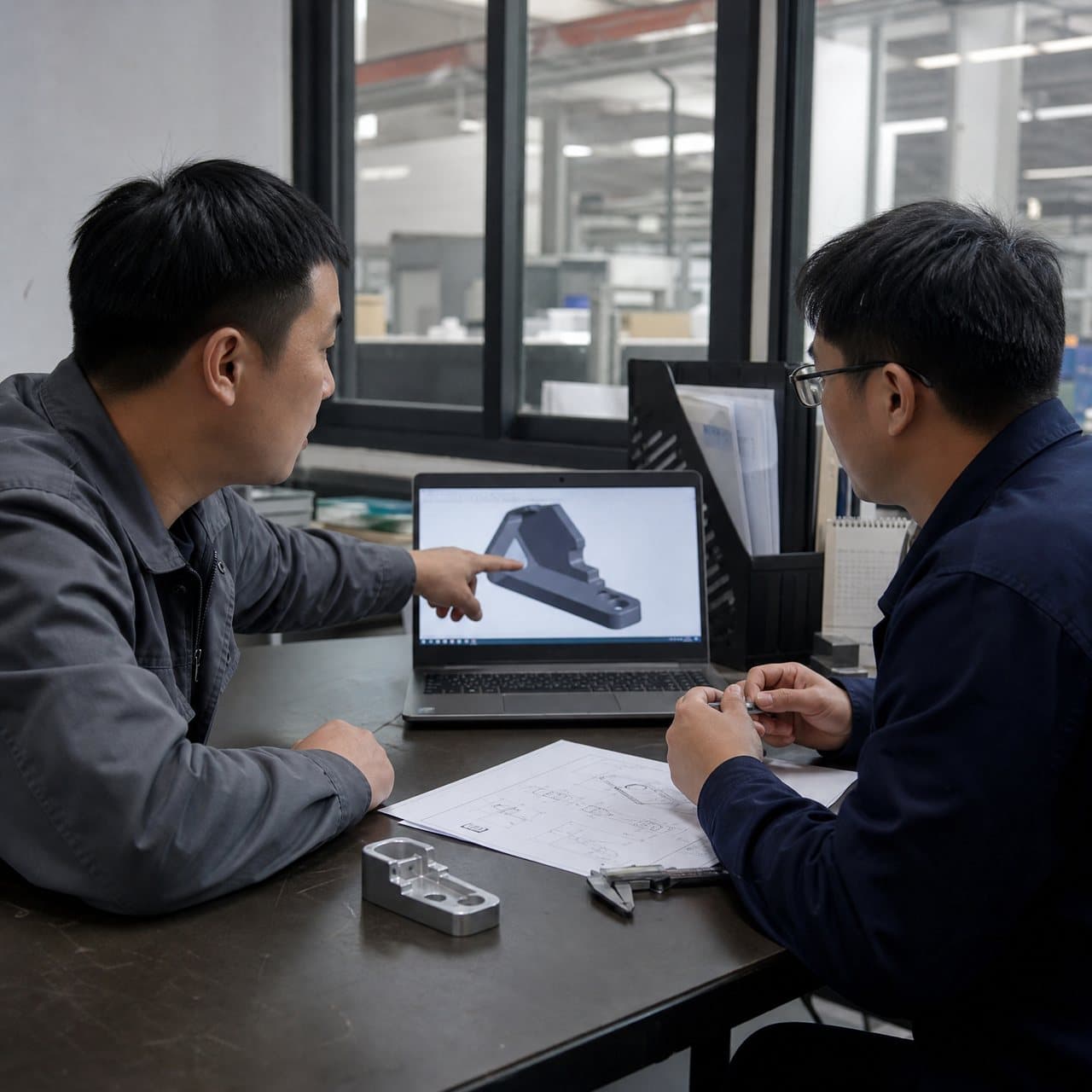
Name the component's job and configuration: threaded cap, snap-on overcap, pump actuator, lotion-pump collar, flip-top, jar lid, dispensing disc, closure liner, hinge or secondary decorative component. Provide the controlled 3D model and 2D drawing together with the bottle or jar neck, shoulder, liner, dip tube, pump mechanism, gasket, insert and filling-line interfaces. Identify who supplies each mating component and lock the revision of every item. A supplier should not infer a neck finish or sealing method from a product photograph.
Describe the formula and use environment at a level that supports material and compatibility review. Include whether the component contacts oil, alcohol, surfactants, acids, pigments, fragrance, preservative systems or an anhydrous product; expected temperature, storage duration, UV exposure, shipping orientation and opening frequency; and whether the package is primary or secondary packaging. The formula owner remains responsible for compatibility and product-safety decisions. The molder can help identify resin and geometry questions, but a polymer family name is not a compatibility qualification.
State annual demand, launch ramp, filling locations, cavity expectations, decoration route, packaging orientation and whether the component will be assembled automatically. Mark appearance zones, hidden surfaces, gate or ejector restrictions, thread or snap CTQs, seal lands, actuator travel and any tactile requirement. InjeForm's [injection mold design and DFM service](/injection-mold-design-dfm) can be used to turn those inputs into a marked-up review before tooling assumptions become difficult to change.
| RFQ input | What the buyer should provide | Risk it helps expose |
|---|---|---|
| Mating package | Neck-finish drawing, container CAD, liner or gasket, pump or dip-tube data, revisions | Thread mismatch, poor seal compression, wobble or actuator interference |
| Formula contact | Ingredient families, contact duration, temperature, storage and compatibility test owner | Stress cracking, swelling, odor, color change or performance loss |
| Appearance | Master sample, color standard, gloss or texture target, visible zones and defect boundaries | A subjective visual review or hidden gate/ejector conflict |
| Use cycle | Opening, dispensing, closing, hinge, torque, snap or pump-cycle expectations | Closure loosening, hinge fatigue, sticking or inconsistent dose |
| Production route | Volume, filling plant, decoration, assembly, packaging and shipment conditions | A tool or inspection plan that does not match downstream handling |
02
2. Convert appearance intent into an inspectable specification
Separate the visible surfaces from functional and hidden surfaces. For a cap or actuator, identify the viewing distance, lighting or presentation context, logo or decoration zone, parting-line allowance, gate vestige location, ejector restrictions, texture direction and acceptable color variation. Define a physical master or approved boundary sample where possible. Terms such as premium, silky, soft-touch or high gloss are useful design language, but they are not by themselves measurable acceptance criteria.
Ask how the selected resin, colorant, texture and mold construction interact. PP and PE are common starting directions for closures and flexible packaging features, while PET may suit certain clear or rigid components and TPE may be relevant to grip or seal interfaces; the exact grade and construction still control the result. InjeForm's packaging data lists PP, PE, PET and TPE as material directions, not universal approvals. Color matching can shift with resin, wall thickness, texture, gloss, processing and lighting, so approve molded samples under the agreed viewing method rather than relying only on a digital swatch.
Review cosmetic risks before steel: sink near thick bosses, flow lines across a logo, weld lines on a front panel, blush or whitening around snaps, read-through from an insert, knit-line weakness at a hinge, and mismatch between cap and bottle. Ask for gate, parting-line and ejection marks on the DFM. If decoration follows molding, define print, hot-stamp, label or metallization supplier, registration, adhesion and abrasion responsibility separately from the molded-part visual standard.
03
3. Define compatibility and closure function without overclaiming
Compatibility is a package-and-formula question, not simply a resin selection. Provide the formula family, contact area, fill level, headspace, temperature profile, storage duration, orientation, light exposure and any cleaning or reuse condition. Ask the supplier to identify the exact commercial grade, additives, color system, reinforcement, approved substitutions, regrind policy and processing basis. The customer or qualified laboratory should define the test articles, exposure duration and acceptance limits; supplier material data can inform the plan but cannot prove the finished package is compatible with every formulation.
For caps and closures, define the function as a stack. A threaded closure may need torque-on, torque-off, seal compression, leak or inversion checks; a snap closure may need engagement, retention, opening force and resealing; a pump or actuator may need travel, return, dispense consistency, lock position and dip-tube seating; a hinge may need cycle count and breakage criteria. The appropriate method depends on the package design and formula. Ask for tests on the assembled package using the intended container, liner, pump and product or an agreed surrogate, not only an empty molded component.
Keep regulatory responsibility visible. Packaging claims, cosmetic-product safety, food-contact status, chemical restrictions and market-specific declarations depend on the product, jurisdiction, material and intended contact. Do not treat a generic statement such as cosmetic grade, FDA compliant or recyclable as finished-product approval. Ask for the specific declaration or technical file required by the brand owner and target market, then route final claims and release through the responsible compliance team.
| Component | Function to define | Evidence to request |
|---|---|---|
| Threaded cap or lid | Torque, thread engagement, seal compression, leak or inversion condition | Assembled fit record, torque method, leak result and container/liner revision |
| Snap or flip-top closure | Engagement, retention, opening force, reseal and hinge cycles | Functional gauge or test record, cycle condition and failure disposition |
| Pump actuator and collar | Travel, lock, return, dispense interface and collar-to-neck fit | Assembly check, actuator movement result and pump mechanism configuration |
| Soft seal or grip feature | Compression, recovery, contact area and formula exposure | Exact TPE grade, compatibility basis and assembled seal or handling check |
04
4. Build inspection evidence around visual and mating-part CTQs
A cosmetic packaging inspection plan should combine controlled visual review with dimensional and functional checks. Identify datums for neck engagement, thread or snap location, seal lands, actuator travel, hinge position, decoration registration and cap-to-container alignment. State the fixture, measurement method, lighting or viewing condition, sample size, part conditioning and reference sample. A CMM result can support a critical location, but it does not replace an assembled fit, leak, torque, dispensing or appearance decision.
Request sample evidence that identifies the tool, cavity, resin lot, colorant or decoration batch, part revision, container or pump revision, molding run and inspection condition. For multi-cavity production, ask how cavity identity and cavity-to-cavity color, weight, fit and function are monitored. If a defect is accepted by boundary sample, retain the approved sample or controlled image and record the disposition. This makes a later appearance discussion less dependent on memory or changing lighting.
Separate first-article evidence from validation. A T1 cap may demonstrate that the tool can produce the geometry, while formula exposure, shipping simulation, pump cycling or consumer-use testing may belong to a later package qualification plan. InjeForm's [quality capabilities](/quality) can support discussion of inspection scope and records. The buyer should define which evidence is required from the molder, filler, decoration supplier, formula owner or packaging laboratory before production release.
05
5. Ask supplier questions that reveal cosmetic packaging readiness
Ask the supplier to show the proposed gate, parting line, draft, shutoffs, ejection, venting, cooling and cavity balance on the actual cap, dispenser or closure. Request an explanation of how the design protects the front face, logo, thread, seal land, hinge and snap from predictable molding defects. The quote should separate tooling, samples, inspection, compatibility or functional testing, decoration, assembly, packaging and production parts so a low unit price does not conceal exclusions.
Probe the production controls behind the appearance promise. How are resin lots, colorants, drying and approved substitutions controlled? How are cavities, decoration batches and nonconforming visual parts identified? What happens after a mold repair, resin change, pigment change, gate change, texture change, liner change or pump revision? Ask about master-sample custody, lighting consistency, defect escalation, packaging protection, filling-line trials and retained records. These questions are especially important when a cap and container are made by different suppliers.
Set explicit release gates: requirements and mating-part freeze; DFM and material disposition; tool-design approval; T0 or T1 visual and dimensional review; assembled fit and function; compatibility or package validation; decoration approval; pilot or filling-line review; and production shipment release. Use the [request-a-quote](/request-a-quote) form to send the current package files and ask InjeForm to identify assumptions, open risks and evidence included in the quotation.

Practical takeaway
Before you move
to the next review.
- Provide controlled cap, closure, dispenser, container-neck, liner, pump and decoration data with revisions, contact areas and assembly sequence.
- Define appearance zones, master samples, color, gloss, texture, decoration, lighting, defect boundaries and gate or ejector restrictions.
- Name the exact resin and color route, formula-contact conditions, compatibility-test owner, approved substitutions and any regrind policy.
- Specify thread, snap, hinge, seal, torque, leak, dispensing, opening, closing and cycle requirements using the assembled package where applicable.
- Require cavity- and configuration-traceable visual, dimensional, functional and validation evidence before production shipment release.
FAQ
Common questions
What should a buyer include in a cosmetic packaging closure RFQ?
Include the controlled component and container-neck drawings, mating parts, formula-contact conditions, appearance standards, exact material direction, use cycles, annual volume, decoration, CTQs, inspection method and release evidence.
Which plastic is best for cosmetic caps and dispensers?
There is no universal best resin. PP, PE, PET and TPE may be starting directions for different closure, clear, flexible or grip features, but the exact grade must be checked against formula compatibility, appearance, fit, processing and validation needs.
How should buyers approve the appearance of a molded cosmetic cap?
Define visible zones, color and finish references, viewing conditions, lighting, decoration registration and defect boundaries. Approve molded samples or controlled boundary standards on the assembled package rather than relying only on a digital render.
Does a cosmetic packaging component need compatibility testing?
The packaging and formula owners should determine the appropriate plan. Provide the product, exposure and storage conditions, then agree the test article, duration, method and acceptance limits with the responsible technical or laboratory team.
What supplier evidence should precede cosmetic closure production?
Request approved DFM and material records, cavity and resin traceability, visual and dimensional results, assembled fit and function checks, required compatibility or package validation, decoration approval, open-risk disposition and change control.
References
Source material
- [1] International Organization for Standardization, ISO 9001:2015 — Quality management systems.
- [2] International Organization for Standardization, ISO 20457:2026 — Plastics moulded parts: Tolerances and acceptance conditions.
- [3] U.S. Food and Drug Administration, Cosmetics — Product and Ingredient Safety.
- [4] European Commission, Regulation (EC) No 1223/2009 on cosmetic products.
- [5] PlasticsEurope, Plastics and packaging resources.
This guide is general information for early procurement and engineering discussion. It does not replace product-specific DFM, qualification, validation, regulatory assessment or legal advice.