
Injection molding traceability is the ability to identify a part or batch and reconstruct the records that matter to its conformity, release and subsequent investigation. Batch control is the operating discipline around that identity: what is accepted, held, rejected, reworked, mixed, relabeled or shipped. These ideas are related to resin-lot traceability, but they are broader. A useful record may also connect the part to the mold, cavity or cavity group, machine, production window, operator or work center, inspection results, packaging and approval status. ISO guidance treats identification, traceability and controlled documented information as context-dependent quality-system practices rather than a single universal form.[1]
Specify the chain of evidence before asking for a report: part identity → material and tool identity → production window → inspection result → release decision → shipment or disposition. If one link is optional, say why and define the alternative control.
01
1. Define what the batch actually means
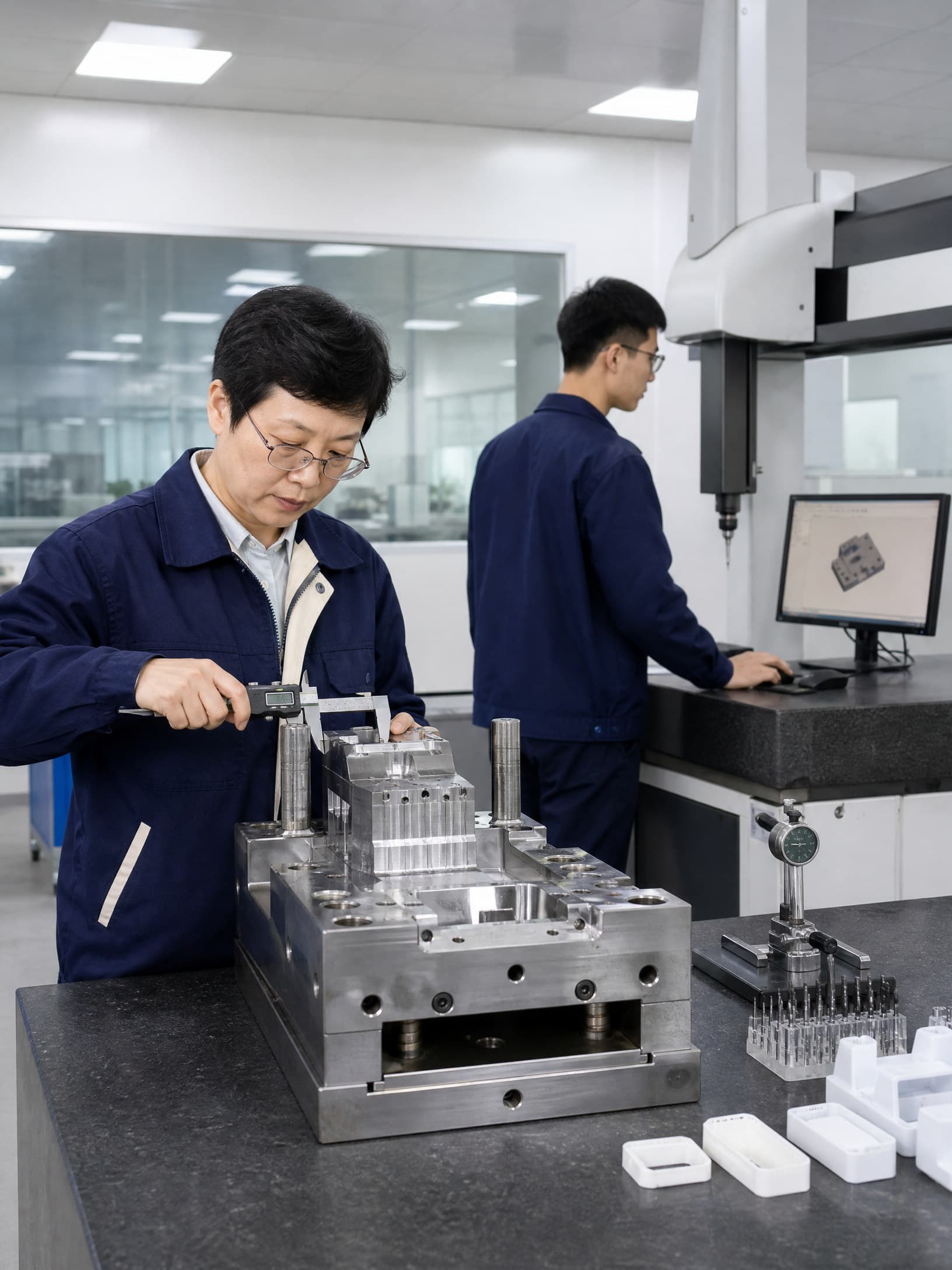
A batch is not automatically one calendar day, one purchase order or one pallet. Depending on the programme, it may be the quantity made from one approved material lot under a defined process window, one production order, one cavity set, one shift, or a controlled combination of these. The buyer and supplier should agree the boundary before production starts. If a material lot changes during a run, for example, the record should show whether that creates a new batch or a documented sub-batch.
Use the narrowest practical unit that supports containment without making normal production administration unusable. A small precision part with a safety-relevant interface may justify cavity- or time-based segregation. A lower-risk cosmetic component may use a production-order batch with representative inspection. The right level depends on the part's failure modes, customer requirements, destination market, volume and ability to isolate affected stock. Avoid borrowing a medical or automotive record burden without first establishing the actual requirement.
02
2. Build a traceability chain that can answer buyer questions
A buyer should be able to ask, ‘Which material, tool and process produced this carton?’ and receive a coherent answer rather than a collection of unrelated documents. At minimum, define the identifiers used for the part number and revision, production order or batch, material manufacturer and grade, material lot, mold or tool identifier, machine or work center, production date or time window, inspection status and shipment reference. Add cavity, colorant, insert or secondary-operation identifiers when they are material to the risk.
The chain should work in both directions. Forward traceability links an approved input and production record to finished goods and shipment. Backward traceability starts with a carton, label, part marking or invoice reference and leads back to the relevant records. Test the chain with a sample record before award. A spreadsheet that contains every field but cannot be searched or reconciled may be less useful than a smaller, consistently maintained system.
| Record element | Buyer should define | Why it matters |
|---|---|---|
| Part identity | Part number, revision, drawing or CAD revision and status | Prevents records for an obsolete design being mistaken for released product |
| Batch identity | Batch rule, quantity, start/end time, order and sub-batch convention | Sets the boundary for containment and release |
| Material identity | Supplier, grade, color, lot, certificate or declaration where required | Connects product to the approved material basis and substitution decision |
| Tool and process identity | Mold ID, cavity or cavity group, machine, recipe revision and relevant process window | Helps investigate cavity-specific or process-related variation |
| Inspection and release | CTQs, sample plan, results, nonconformance status, approver and date | Shows whether the batch was actually accepted, held or conditionally released |
| Packing and shipment | Carton or pallet ID, quantity, label, shipment and customer order reference | Allows affected stock to be located without assuming all production is affected |
03
3. Separate process records from product evidence
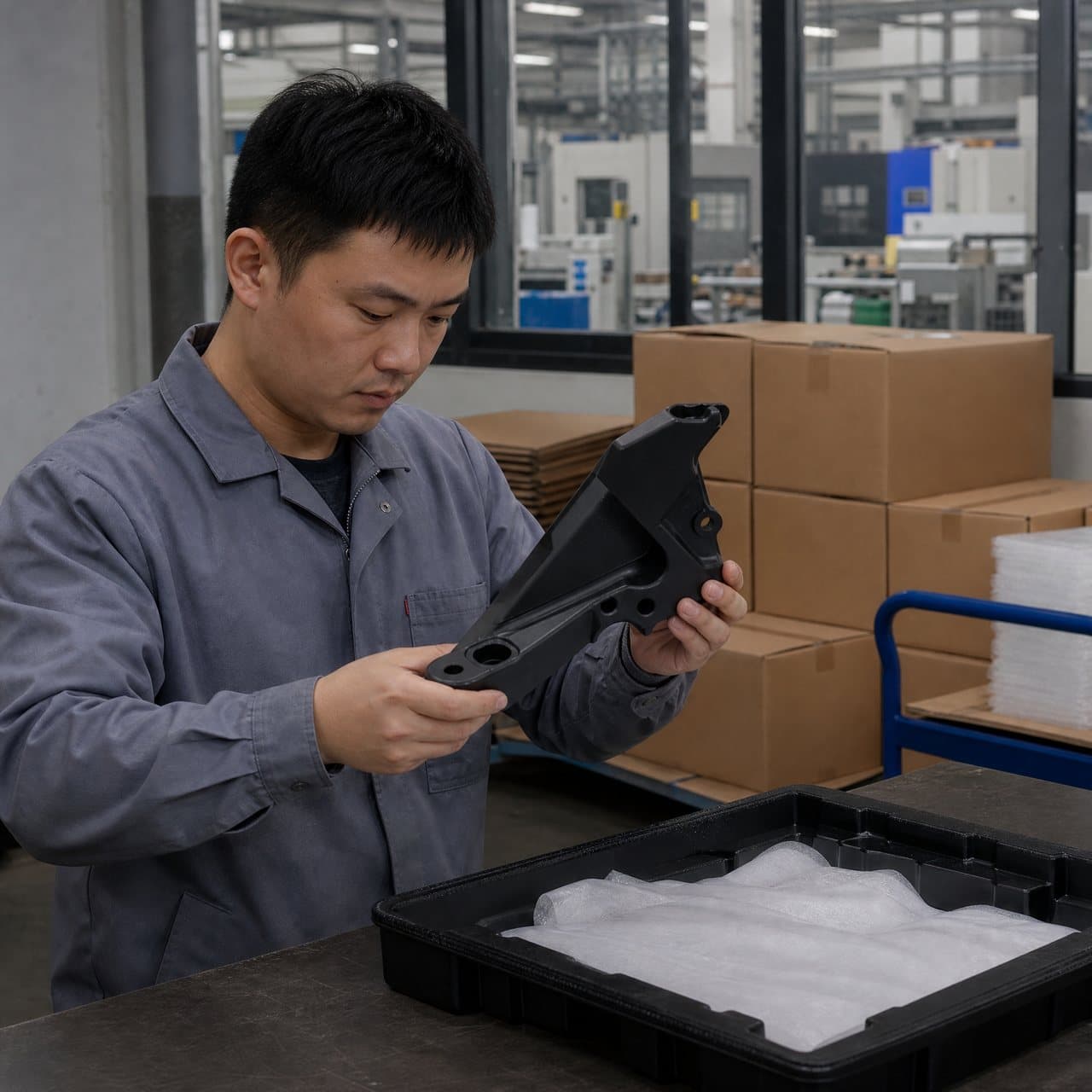
Process records show what happened during molding: machine, tool, material, recipe or set-up revision, start-up checks, alarms, downtime, adjustments and production quantities. Product evidence shows what was found on the molded part: dimensions, weight, appearance, function, assembly or other defined characteristics. These records support each other but should not be treated as interchangeable. A machine log cannot prove a critical dimension, and a passing dimensional report cannot by itself prove that the approved resin was used.
For procurement, ask which characteristics are recorded continuously, which are checked at start-up or at intervals, and which are verified by lot or shipment. Define the reaction plan for an out-of-control signal, missing sample, failed check or unplanned parameter change. The supplier may use automated data capture, paper forms or a hybrid. The control is the clarity and integrity of the record, not the appearance of a particular software package.
04
4. Control holds, deviations, rework and mixed stock
Batch control fails when accepted and unaccepted material can be mixed without a visible status change. Specify how material is identified as pending inspection, released, blocked, rejected, reworked or awaiting customer disposition. Status may be communicated through labels, locations, electronic transactions or a combination, but the method should prevent accidental shipment and preserve the link to the original batch.
A deviation should identify the requirement, actual condition, affected quantity, risk assessment, containment, approver, expiry or one-time limit, and final disposition. Rework and sorting should create a new record that still points to the original batch. If material from two batches is combined, define whether the combined quantity receives a new traceability identity and how each source remains recoverable. For imported parts, align the record with carton labels and commercial documents before shipment rather than trying to reconstruct it after a complaint.
05
5. Set a risk-based evidence package before supplier award
The requested package should be proportionate to the product and customer obligation. A buyer may need a retained batch record, material documentation, dimensional report, visual approval, process-monitoring summary, nonconformance log and shipment linkage. A regulated or contractually controlled programme may add formal validation, electronic-record controls, retention periods or customer-specific submissions. FDA's Quality Management System Regulation is directed at medical-device manufacturers and should not be presented as a universal requirement for every molded component; it is a useful reminder that production and quality records must be defined in the applicable quality system.[2]
Before production release, agree who owns each record, where it is stored, how long it is retained, who can change it, how corrections are visible, and how the buyer can request a record during an investigation. Ask for a redacted example or sample index if proprietary details cannot be shared. Then run a mock trace exercise from a finished carton to the source records and from a material lot to every affected shipment. Use the result to close gaps before the purchase order becomes the control plan.
Practical takeaway
Before you move
to the next review.
- The batch definition states the boundary, sub-batch rule and conditions that require a new identity.
- Part revision, material grade and lot, mold and cavity information, machine or work center, production window and shipment reference can be reconciled.
- Process records, product inspection records and release status are distinct but linked by a common batch identifier.
- Hold, reject, rework, sorting, deviation, concession and mixed-stock rules identify affected quantity and preserve the original traceability chain.
- Retention, access, correction, record ownership and response expectations are agreed before production release, and a mock trace test has been completed.
FAQ
Common questions
What should an injection molding batch record include?
At a minimum, define the part and revision, batch or production-order identifier, quantity and time window, approved material and lot, mold or tool identity, relevant cavity or machine information, inspection results, nonconformance status, release decision and shipment linkage. Add inserts, colorants, secondary operations or process data when they affect the product risk or customer requirement.
Is resin-lot traceability the same as full injection molding traceability?
No. Resin-lot traceability connects finished parts to a material lot. Full traceability may also connect the part to the released drawing, mold and cavity, machine or process record, inspection evidence, deviation disposition, packaging and shipment. Resin-lot information is one important link, not the whole chain.
How long should injection molding records be retained?
There is no single period that fits every programme. Use the applicable law, customer contract, product life, warranty or complaint exposure, and the supplier's controlled quality-system rules. Put the agreed period and retrieval format in the quality agreement or purchase specification rather than relying on an informal practice.
Do buyers need cavity-level traceability for every molded part?
Not necessarily. Cavity-level identification can help when cavity variation, multi-cavity qualification or containment risk is significant, but it adds data and labeling work. Make the decision from the part's critical characteristics, failure consequences, process capability, inspection plan and ability to isolate stock. If cavity identity is not captured, document the alternative control.
What should happen when a supplier changes material or process settings?
The supplier should follow the agreed change-control and deviation process. The record should identify what changed, why, which batches may be affected, the risk assessment, required requalification or inspection, approval authority and effective date. A parameter adjustment within an approved process window is different from an unapproved grade, tool, recipe or process change; do not treat them as equivalent without review.
References
Source material
- [1] International Organization for Standardization, Guidance on documented information for ISO 9001:2015
- [2] U.S. Food and Drug Administration, Quality Management System Regulation (QMSR)
- [3] Electronic Code of Federal Regulations, 21 CFR Part 820—Quality Management System Regulation
- [4] U.S. Food and Drug Administration, Quality Management System Regulation Frequently Asked Questions
This guide is general information for early procurement and engineering discussion. It does not replace product-specific DFM, qualification, validation, regulatory assessment or legal advice.