
A supplier audit should help a buyer decide whether a molding partner can understand the part, control the process and communicate when reality differs from the plan. It is not a tour of impressive equipment or a promise that a single visit eliminates supply risk. A useful audit connects the released drawing, material direction, volume, tooling model and delivery expectations to evidence that can be reviewed and followed up.
For procurement, engineering and quality teams, the best injection molding supplier audit checklist is risk-based. It asks what could prevent a conforming part from being made, identified, released and delivered, then tests whether the supplier has a credible control and response for that risk. Use the questions below alongside your RFQ, quality agreement and project-specific requirements.
Treat every audit answer as a claim to verify: ask for a controlled record, observe the relevant practice where possible, and record open actions with an owner and due date.
01
Define the audit scope before you enter the review
Start with the decision the audit must support: shortlist, supplier award, new part launch, second-source approval or recovery from a quality issue. Freeze the scope around the actual programme rather than asking for a generic factory score. Include part number and revision, expected annual and peak volume, material family, critical-to-quality features, cosmetic expectations, secondary operations, packaging, destination and required launch timing. If tooling ownership, confidentiality or regulated-market documentation matters, put those questions on the agenda before the meeting.
Separate capability questions from commitment questions. A supplier may have a machine range or inspection instrument without having reserved capacity, trained personnel or a validated method for your part. The audit should therefore record evidence, limitations and follow-up—not just yes or no answers. InjeForm’s [capabilities](/capabilities), [process](/process) and [quality](/quality) pages can help frame a technical conversation, but the buyer should confirm the scope for the specific programme.
02
Audit engineering and manufacturing fit
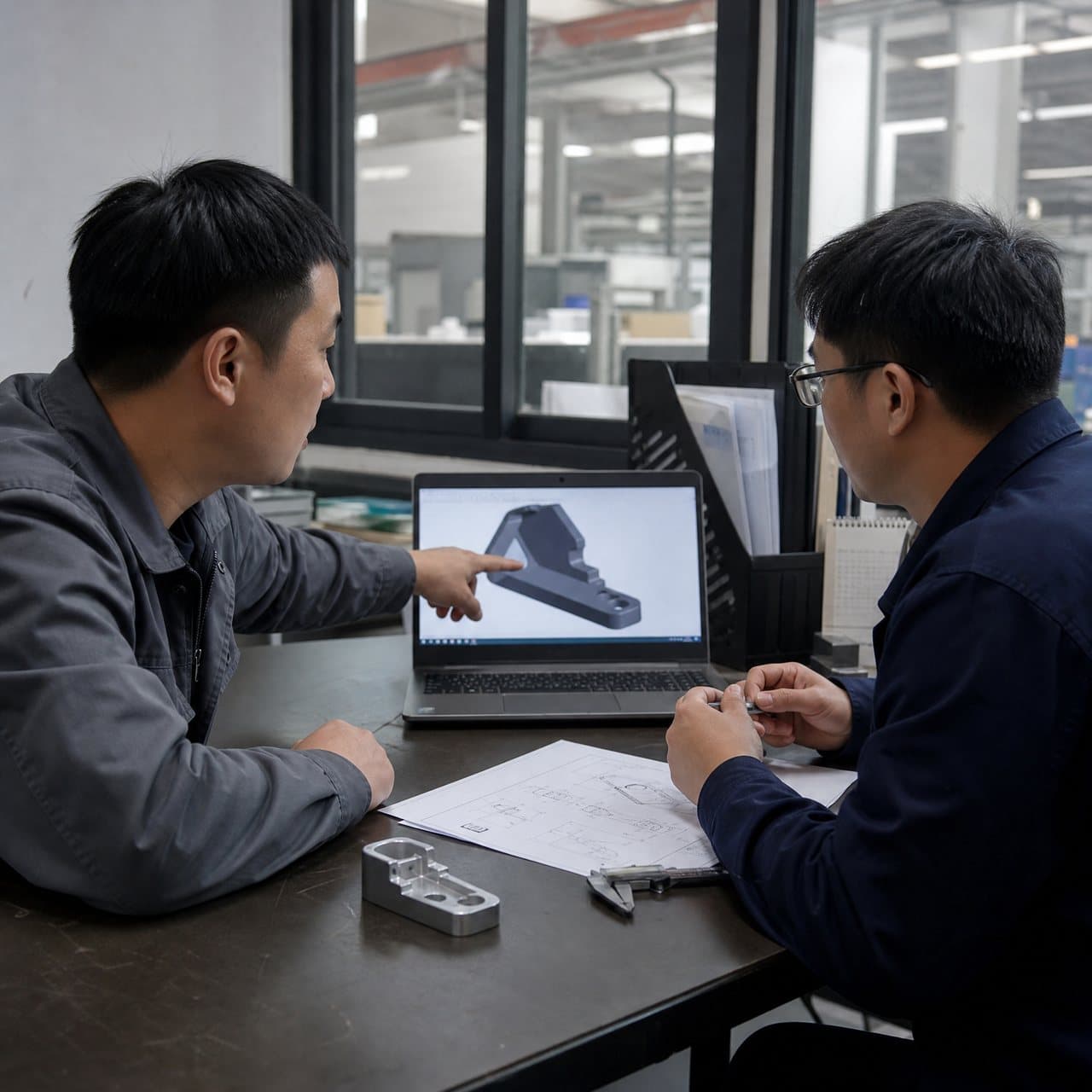
Ask how the supplier turns a customer model and drawing into a manufacturable plan. Look for a documented review of draft, wall thickness, ribs, bosses, shutoffs, parting line, gates, ejection, cooling, shrinkage assumptions and any inserts or overmolding interfaces. The aim is not to prescribe one design solution; it is to see whether the supplier identifies risks early, explains trade-offs and obtains approval before changing the released intent.
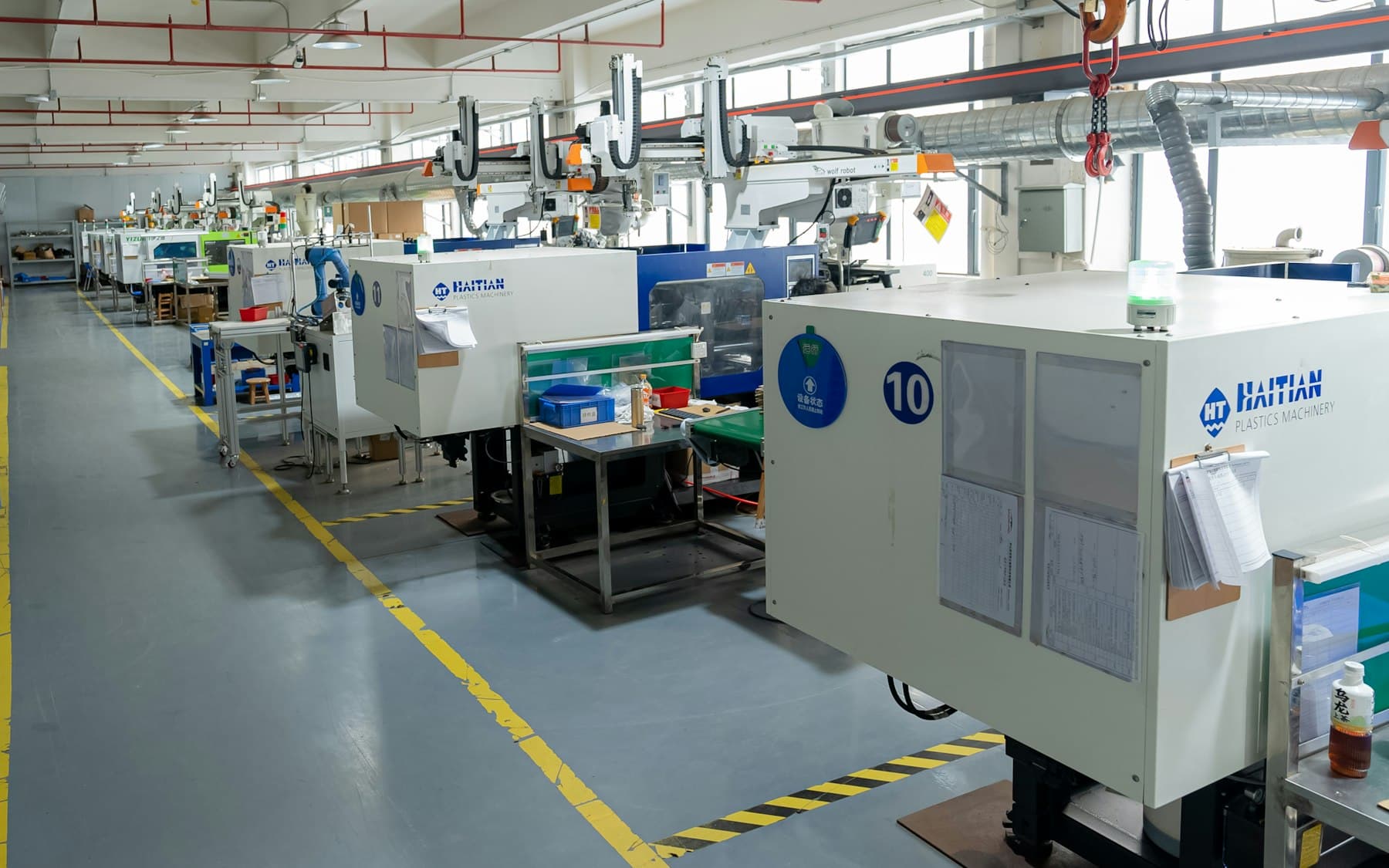
Review the match between the proposed tool and the production requirement: cavity strategy, expected cycle, press range, shot size, clamp-force reasoning, automation or handling needs, and inspection access. Ask what is made in-house and what is subcontracted, and how outsourced machining, heat treatment, surface work or secondary assembly is controlled. A credible answer should identify interfaces and acceptance evidence rather than implying that every process is automatically interchangeable.
03
Test the quality system with records, not slogans
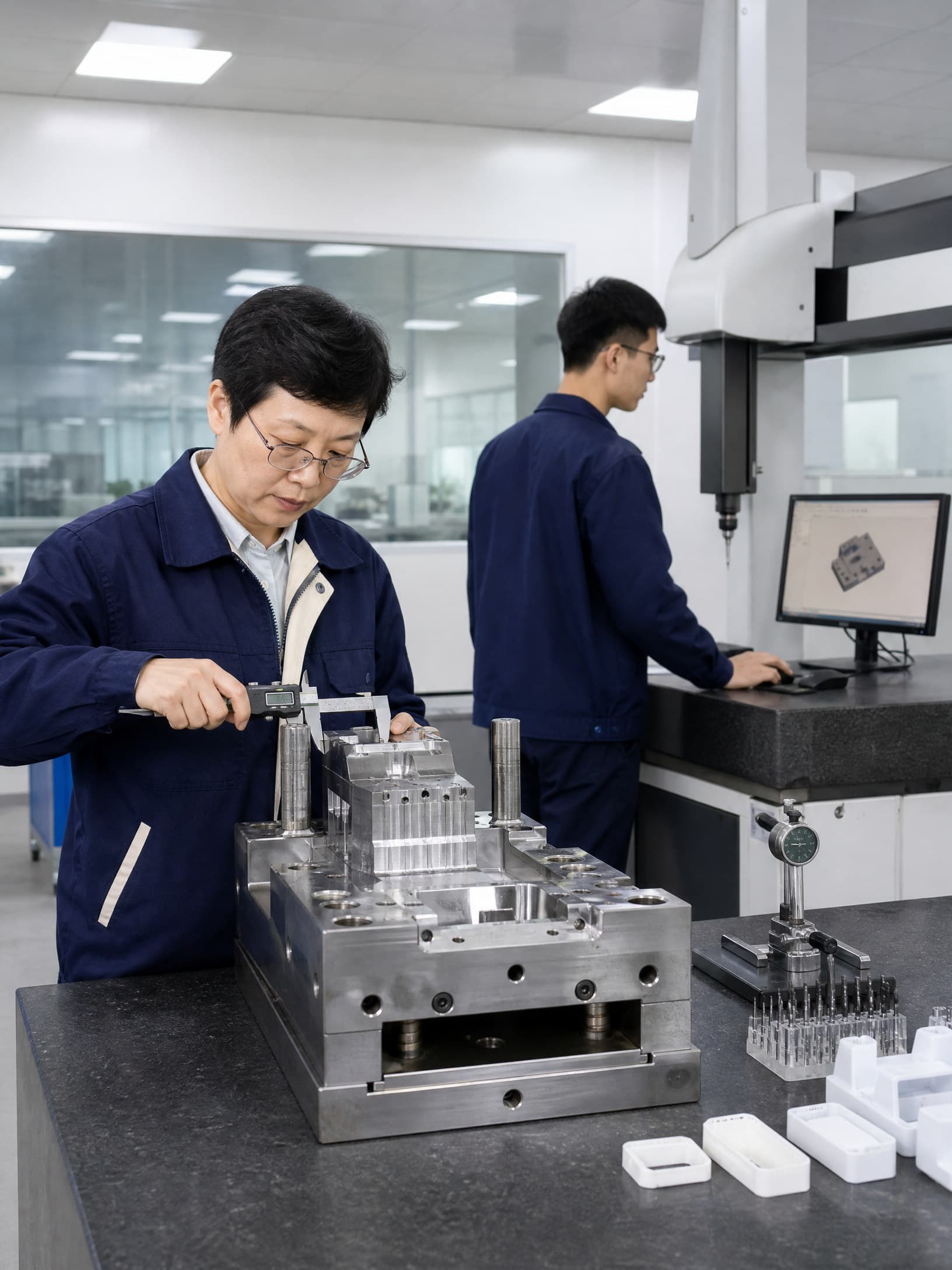
Review the supplier’s route from incoming resin or inserts through molding, inspection, packing and release. Ask to see representative, appropriately redacted records such as incoming checks, material-lot identification, setup or startup checks, in-process controls, final inspection, nonconformance disposition and corrective-action follow-up. ISO 9001 describes a quality-management framework based on processes, customer requirements, evaluation and improvement; an audit should still test how those ideas are applied to your part rather than assuming a certificate answers every question.[1]
Check whether inspection methods fit the characteristic. Ask how datums, fixtures, temperature or conditioning, visual standards, gauge maintenance and measurement records are controlled. For high-consequence features, request examples of the actual report format and reaction path. A supplier that can explain what happens to suspect product—and who may release it—provides more useful evidence than a list of instruments alone.
04
Review the evidence chain from trial to routine production
For a new tool, ask how design review, tool build, trial shots, dimensional review, corrective loops and approval are documented. Define what the buyer will receive at T1 or first article, which deviations require written approval, and what constitutes readiness for routine production. If an automotive customer requests PPAP or a similar package, align the deliverables to that customer’s requirements; do not assume one sector-specific format is universal. AIAG describes APQP, control plans, FMEA, MSA, SPC and PPAP as connected quality core tools that can inform the conversation.[2]
For routine production, ask how the supplier detects drift and links a lot to resin, machine, tool, operator or inspection records where relevant. Sampling should be agreed by risk and contract. ISO 2859-1 provides acceptance-sampling procedures for inspection by attributes, but sampling does not replace process control or prove that every individual part is conforming.[3] Request trend or capability evidence only where it is meaningful for the characteristic and supported by a defined method.
| Audit finding | Evidence to request | Buyer decision or follow-up |
|---|---|---|
| Ready to progress | Current process map, relevant records, clear owners and traceable sample evidence. | Document the scope accepted and any routine-production conditions. |
| Conditionally acceptable | Capability appears relevant, but a record, subcontractor control, measurement method or response rule is incomplete. | Assign a dated corrective action and make closure a gate before award or launch. |
| Material risk | Uncontrolled changes, unclear product disposition, missing traceability or inability to explain critical-feature control. | Escalate, narrow the scope, require containment, or pause the award decision. |
| Not assessed | The supplier cannot provide relevant evidence within the agreed review scope. | Do not treat absence of evidence as evidence of capability; record the gap explicitly. |
05
Check tooling ownership, maintenance and change control
Tooling risk continues after the first approved samples. Confirm who owns the mold, where it is stored, how it is identified, who may authorize modifications and what happens if production moves to another site. Ask for a maintenance approach proportionate to tool complexity and use: cleaning, lubrication, wear checks, spare parts, cooling-circuit checks, cavity or insert replacement and records of repairs. The buyer should define what evidence is expected, not assume that a supplier’s normal practice matches the programme’s risk.
Review engineering-change and supplier-change controls together. A drawing revision, resin substitution, colorant change, process-parameter change, subcontractor change, tool repair or relocation can affect fit, appearance, performance or delivery. Ask how the supplier evaluates impact, notifies the buyer, preserves old revision status and obtains approval before implementation. Link unresolved issues to the commercial terms and the [request-a-quote](/request-a-quote) discussion so scope, timing and responsibility are visible.
06
Evaluate capacity, continuity and communication risk
Capacity is more than the number of presses on a list. Ask how the supplier will schedule your tool, handle demand changes, protect maintenance windows, manage bottlenecks and communicate a late-risk signal. Review the actual press range and auxiliary needs for the part, plus dependencies such as molds, inserts, drying, inspection, assembly and packaging. If production is shared across sites or partners, identify the approved location and the evidence needed before a transfer.
Assess business continuity without demanding unsupported guarantees. Discuss critical utilities, data and drawing access, key-person dependency, backup tooling or spare parts, alternate material sources where permitted, disaster-response communication and recovery priorities. Confirm how issues are escalated across time zones and how records are retained. A clear [FAQ](/faq) review and a written launch plan can reduce ambiguity, while a direct [request for a quote](/request-a-quote) should include the assumptions that the audit did not resolve.
Practical takeaway
Before you move
to the next review.
- Freeze the part revision, material, volume, CTQs, cosmetic standard, packaging and audit decision the review is meant to support.
- Verify the engineering route: DFM review, tooling plan, press and cycle assumptions, subcontracted operations and approval points.
- Sample records for incoming material, traceability, inspection methods, nonconformance disposition, corrective action and release authority.
- Agree first-article or trial evidence, routine sampling, measurement context, deviation rules and the reaction plan before production.
- Confirm tooling ownership, storage, maintenance, spare-part responsibility, modification approval and transfer or end-of-life terms.
- Record capacity, continuity, change-notification, escalation and communication actions with owners, dates and closure evidence.
FAQ
Common questions
When should a buyer audit an injection molding supplier?
Audit timing should match the decision and risk: before award for a new or critical supplier, before launch when tooling and controls are ready to review, and again when there is a major change or recurring performance concern. A remote document review can be a useful first screen, but it may not replace an on-site review where physical flow, segregation or equipment condition matters.
Can an injection molding supplier audit guarantee quality?
No. An audit is a point-in-time assessment of evidence, practices and open risks. It can improve supplier selection and clarify controls, but ongoing quality still depends on the released specification, process execution, measurement, change control, communication and agreed response.
What documents should a buyer request during the audit?
Request documents relevant to the programme, such as the process map, control plan or inspection plan, representative inspection records, material or lot-traceability examples, nonconformance and corrective-action records, tooling maintenance approach, change-notification process and capacity or launch plan. Redacted examples may be sufficient; do not request unrelated confidential customer information.
Is a supplier certificate enough to pass the audit?
No. A certificate may provide useful context about a management system or customer requirement, but it does not demonstrate that the supplier controls your specific part, tool, material, measurement method or change risk. Verify the programme-specific evidence and record any gaps.
How should audit findings affect supplier award?
Classify findings by their potential effect on conformity, continuity, confidentiality and launch timing. Close material gaps before award where practical; otherwise use a written conditional-award plan with an owner, due date, containment and a clear decision gate. Do not hide unresolved high-risk findings inside an overall average score.
References
Source material
- [1] International Organization for Standardization, ISO 9001: Quality management systems — Requirements.
- [2] Automotive Industry Action Group, Quality Core Tools overview.
- [3] International Organization for Standardization, ISO 2859-1: Sampling procedures for inspection by attributes.
- [4] U.S. National Institute of Standards and Technology, Engineering Statistics Handbook: Measurement Process Characterization.
- [5] U.S. Food and Drug Administration, Quality Management System Regulation (QMSR) and ISO 13485 transition resources.
This guide is general information for early procurement and engineering discussion. It does not replace product-specific DFM, qualification, validation, regulatory assessment or legal advice.