
Buyers should assess capacity by matching the part, mold, forecast, quality plan, and operating calendar to a named production route inside the injection molding factory. Ask for evidence of suitable presses, current loading, changeover and maintenance constraints, material availability, inspection resources, and a practical response to disruption. A machine list or a stated monthly output alone cannot confirm production readiness.
Capacity is a program-specific condition, not a brochure claim. Treat the supplier’s proposed press, planned shift pattern, mold status, actual workload, and quality release path as one connected system.
01
Start with the program, not the factory brochure
An injection molding factory can own many presses and still be a poor fit for a specific program. Capacity begins with the proposed part family: resin and grade, part and runner weight, projected area, mold dimensions, cavity count, cooling needs, expected cycle window, cosmetic class, tolerances, packaging, and any assembly or printing. These inputs determine the feasible machine and the work around it.
Convert the commercial forecast into a transparent planning demand. Request the supplier’s assumptions for cavities available, expected yield, planned operating hours, scheduled downtime, changeovers, mold maintenance, material preparation, inspection, and packing. The purpose is not to demand a universal utilization percentage. It is to see whether the supplier has separated theoretical output from the capacity that can realistically be scheduled and released.
02
Verify the named production route
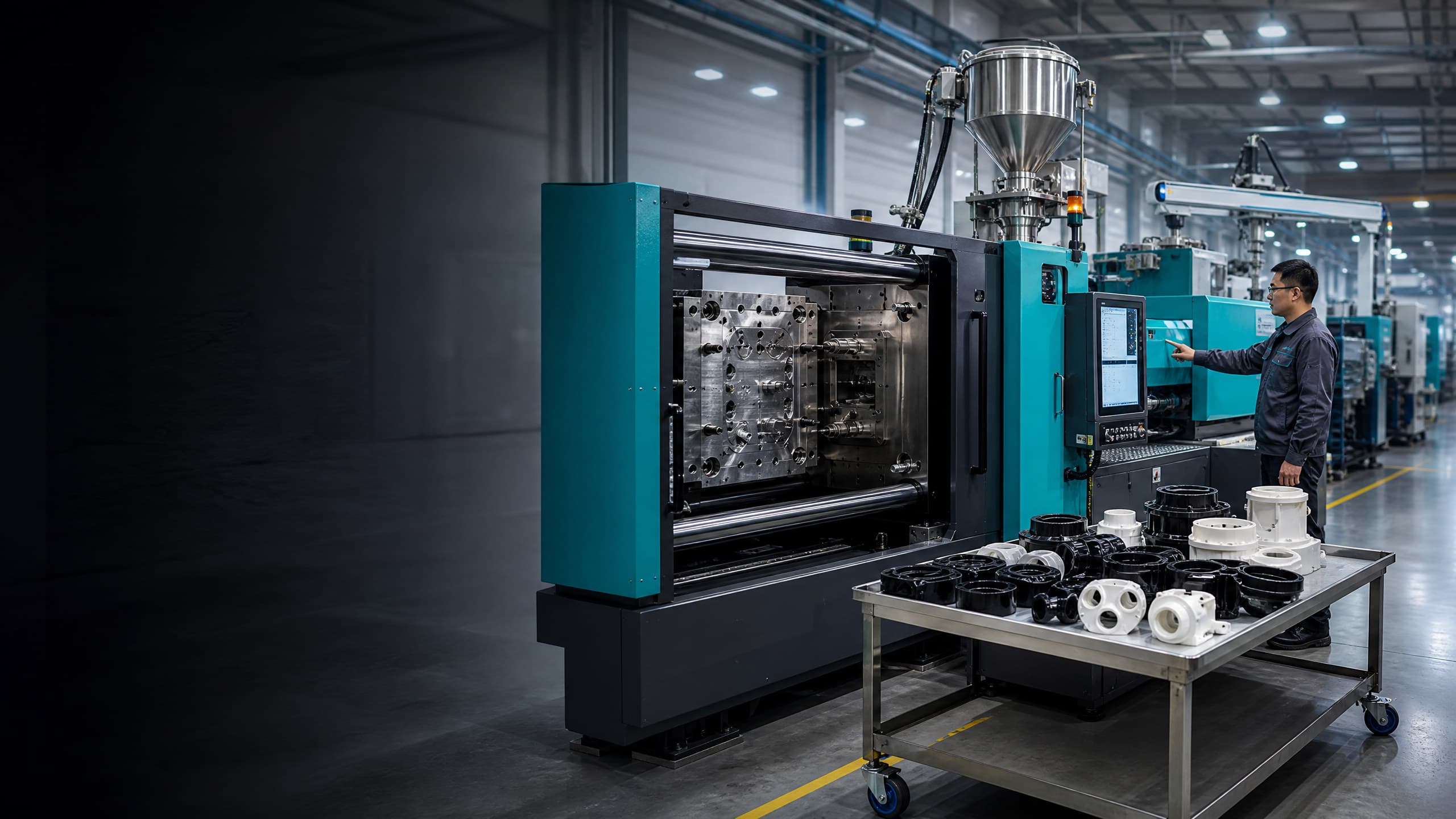
Ask the injection molding supplier to nominate the primary press and at least one technically credible alternative for the proposed mold. For each, review clamp force, shot capacity, platen and tie-bar envelope, nozzle and mold interface, ejection arrangement, temperature-control connections, dryer and material-feed arrangement, and automation compatibility. A press that has sufficient injection molding machine tonnage may still be unsuitable if the mold will not fit, the shot range is unsuitable, or peripheral equipment is unavailable.
Machine tonnage is the force holding the mold closed during injection, not a stand-alone capacity rating. It is related to projected area, material and process conditions, while the mold’s actual behavior must be proven on the selected press. Industry guidance also cautions that excess clamp force can close vents and accelerate mold wear, so a larger press is not automatically a safer allocation. Reference 3.
Request a short machine-fit sheet tied to the latest mold concept and resin. If the tool has not been built, mark estimates as estimates and define what will be rechecked at trial. This is more useful than accepting a generic list of presses from 50 to 1,000 tonnes.
| Capacity question | Useful evidence before award | Why it changes the decision |
|---|---|---|
| Press fit | Named primary and alternative press, mold-envelope and shot-range check | Shows whether the mold can be run without relying on an undefined future allocation. |
| Available production window | Current load view by press group, shift plan, booked commitments and planned maintenance | Distinguishes installed equipment from time that can be scheduled. |
| Tooling readiness | Tool build plan, trial gates, cooling and automation assumptions, spare-parts approach | A suitable press cannot offset an unfinished or unstable mold. |
| Quality release | Control plan, gauges, inspection capacity, traceability and escalation route | Output only counts when conforming parts can be released. |
| Recovery route | Alternative press logic, qualified personnel, material contingency and change-control process | Makes disruption discussions specific without assuming uninterrupted supply. |
03
Test loaded capacity and scheduling discipline
A capacity review should focus on the relevant press group, not all machines in the building. Ask for a dated, controlled snapshot of current commitments around the intended launch period. It should identify ongoing programs, expected changeovers, maintenance blocks, press-specific restrictions, and any work that depends on the same dryers, robots, hot-runner controllers, operators, inspection stations, or secondary operations.
Then compare the supplier’s proposed hours with your demand profile. Include ramp-up, seasonal peaks, service demand, engineering changes, and the effect of rejecting or reworking a lot. For cross-border buyers in Europe, the United States, and the Middle East, clarify the decision owners, reporting time zone, freight handoff, and who may approve a schedule change. NIST recommends supply-chain mapping, risk assessment, supplier metrics, and visibility for forecasting and operations planning; those practices turn a vague capacity claim into a reviewable operating plan. Reference 2.
04
Assess capacity beyond the molding press
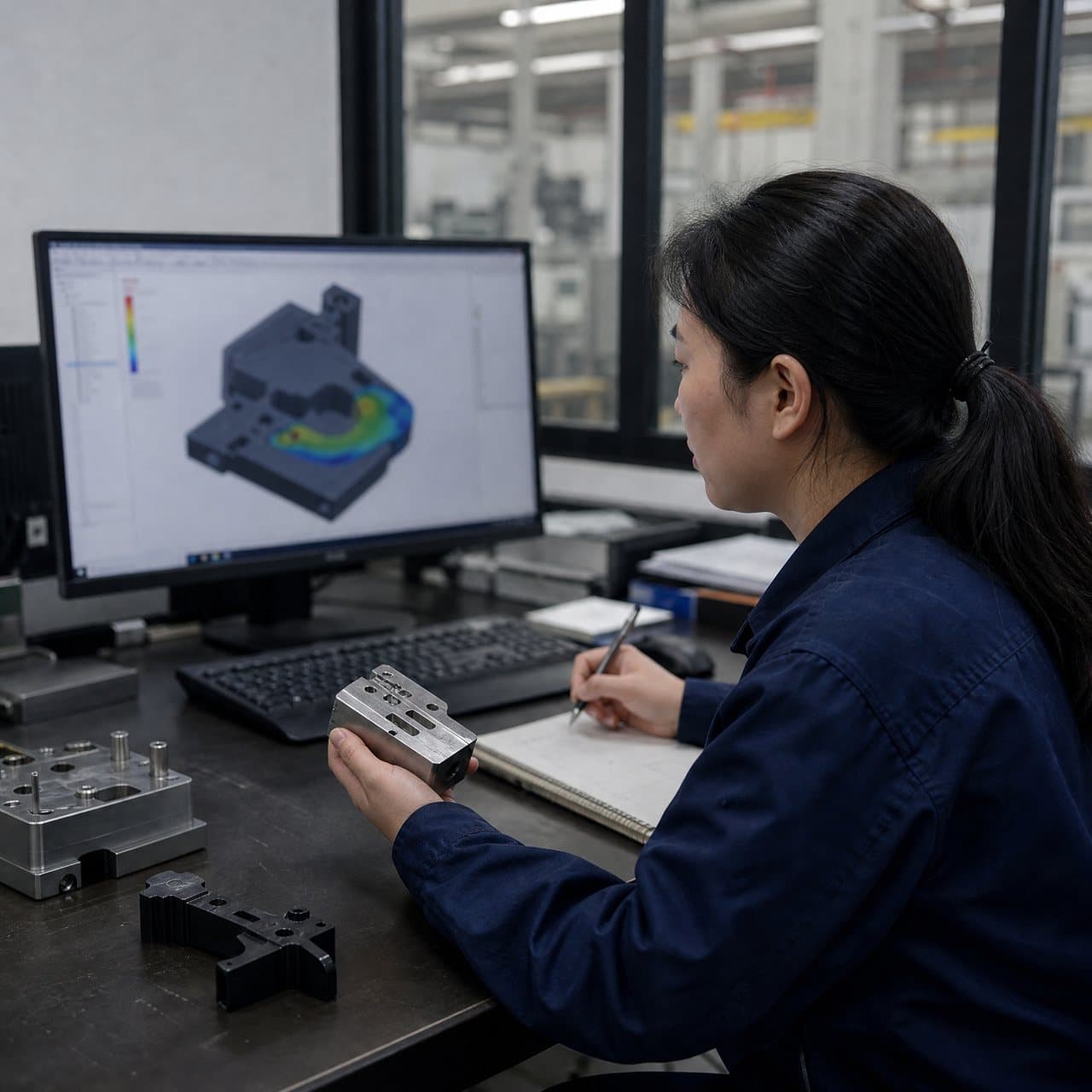
Production injection molding is constrained by the slowest required resource. Check resin approval and storage, drying, color control, mold temperature control, preventive maintenance, trimming or degating, measurement, visual inspection, assembly, labeling, packaging, and export documentation. A press may be free while a shared CMM, fixture, operator, drying hopper, or packing cell creates the real queue.
Ask what evidence is retained when a process is transferred between presses, restarted after maintenance, or adjusted after a material-lot change. The level of evidence should reflect the part’s risk and your contractual or regulatory needs. ISO 9001 describes a quality management system that plans and controls operations, maintains documented information, evaluates performance, and improves from results. A certificate can be useful context, but it does not prove that this particular route, tool, and inspection plan are ready. Reference 1.
05
Use a staged award instead of an all-or-nothing assumption
Where the forecast, tooling design, or demand ramp remains uncertain, structure the sourcing decision around evidence gates. Start with DFM and machine-fit approval, then confirm tooling milestones, trial results, measurement capability, run-at-rate evidence where appropriate, and the first planned production window. Each gate should identify the owner, evidence expected, acceptance criteria, and the action if the result changes the plan.
This approach does not guarantee capacity or eliminate disruption. It gives both parties an early way to expose mismatches in mold design, machine availability, cycle assumptions, material readiness, or quality controls before they become urgent shipment discussions. Keep the agreed data version-controlled, especially when CAD, cavity count, resin, annual demand, or packaging changes.
06
Make the RFQ capable of a real capacity answer
An injection molding RFQ should supply enough information for the supplier to test its route rather than guess. Include 3D CAD and drawings, resin specification, approved alternatives if any, appearance zones, CTQs, annual and monthly forecast, expected launch and ramp profile, target packaging, secondary operations, destination, required documentation, and the production and quality assumptions you want stated.
Ask each bidder to return its nominated press route, key fit assumptions, proposed cavity strategy, indicative schedule logic, constraints, quality-release steps, and questions. Compare the explanations as carefully as the commercial offer. The most useful response identifies uncertainties and the evidence required to close them, rather than asserting unrestricted injection molding press capacity.
Ready to assess an injection molding supplier for a new program? Send InjeForm your CAD, drawing, resin, forecast, quality requirements, packaging and destination through the RFQ process. Request a program-specific response covering proposed press fit, tooling assumptions, production route, inspection plan, constraints, and the evidence needed before award.

Practical takeaway
Before you move
to the next review.
- Provide the latest CAD, drawing, resin grade, CTQs, cosmetic criteria, forecast profile, packaging, and destination in the injection molding RFQ.
- Request a named primary press and technically reviewed alternative, with mold-envelope, shot-range, clamp-force, and peripheral-equipment checks.
- Review a dated load view for the relevant press group, including booked work, maintenance, changeovers, and shared-resource constraints.
- Ask how the supplier will document tooling trials, process settings, measurement, release, and changes after approval.
- Confirm the capacity of drying, material handling, inspection, assembly, labeling, packaging, and export handoff—not only molding presses.
- Agree escalation contacts, reporting cadence, approval authority, and evidence gates for launch, ramp-up, and any production change.
- Record the proposed recovery route and the conditions under which a press or process transfer requires revalidation.
FAQ
Common questions
Is a large injection molding factory automatically lower risk?
No. A larger site may offer more equipment, but risk depends on whether the specific mold, resin, quality plan, and forecast fit an available and controlled route. Review relevant press-group loading and supporting resources rather than total machine count.
How should buyers evaluate injection molding press capacity?
Ask for a route tied to a named press and alternative. Review mold dimensions, shot range, clamp-force rationale, utilities, automation, current schedule, maintenance, changeovers, and inspection capacity. Then test the plan against your forecast and ramp profile.
Does injection molding machine tonnage prove a supplier can make the part?
No. Tonnage addresses clamp force, but a production decision also depends on mold fit, shot capacity, nozzle and ejection compatibility, temperature control, resin preparation, process stability, quality evidence, and scheduled time. Confirm the complete machine-and-process fit.
What capacity evidence should be requested before production injection molding begins?
Request the named manufacturing route, a dated loading view, tooling and trial plan, material and peripheral-equipment plan, inspection and release process, preventive-maintenance approach, escalation contacts, and the evidence gates proposed before launch. The appropriate depth depends on part risk and program needs.
What should be included in the RFQ CTA to an injection molding supplier?
Send your CAD, drawings, resin, CTQs, appearance requirements, forecast, launch profile, packaging and destination, then ask for a program-specific capacity response. Request assumptions, constraints, proposed press route, tooling plan, quality controls, and questions to resolve before award.
References
Source material
- [1] ISO 9001:2026 Quality management systems — Requirements
- [2] NIST Manufacturing Extension Partnership: Supply Chain Management
- [3] RJG: Why Machine Tonnage Matters and How to Set It Correctly
This guide is general information for early procurement and engineering discussion. It does not replace product-specific DFM, qualification, validation, regulatory assessment or legal advice.