
Rapid injection molding is most useful when a team needs more than a shape. It is a route for obtaining parts made by the injection-molding process while the product, demand profile or long-term tool decision is still developing. The central buying question is not simply how many parts are needed. It is whether a molded lot can reduce a specific uncertainty that additive manufacture, machining or a fully committed production tool would address less well. Typical examples include checking fit with mating hardware, observing cosmetic behaviour on the intended resin, rehearsing assembly, supplying a controlled pilot build or covering demand while a later manufacturing route is being finalised.
That purpose must be documented before a tool concept is selected. A phrase such as rapid prototype injection molding can cover very different arrangements, from a simple single-cavity learning tool to a more considered interim tool. Likewise, a bridge lot is not automatically fit for sale, a regulatory submission or full-rate production. Buyers in Europe, North America and the Middle East should define the intended country or countries of sale, product category, accountable economic operator and evidence needed for the relevant stage. Requirements vary by market and product; a molder should not be presumed to approve the end product or its compliance. Ask the product owner and appropriate regulatory or quality advisers to verify the applicable obligations before release.
Use a rapid route when the parts will answer a named technical or commercial decision. If the decision is undefined, first improve the specification rather than buying speed.
01
Start with the decision the parts must support
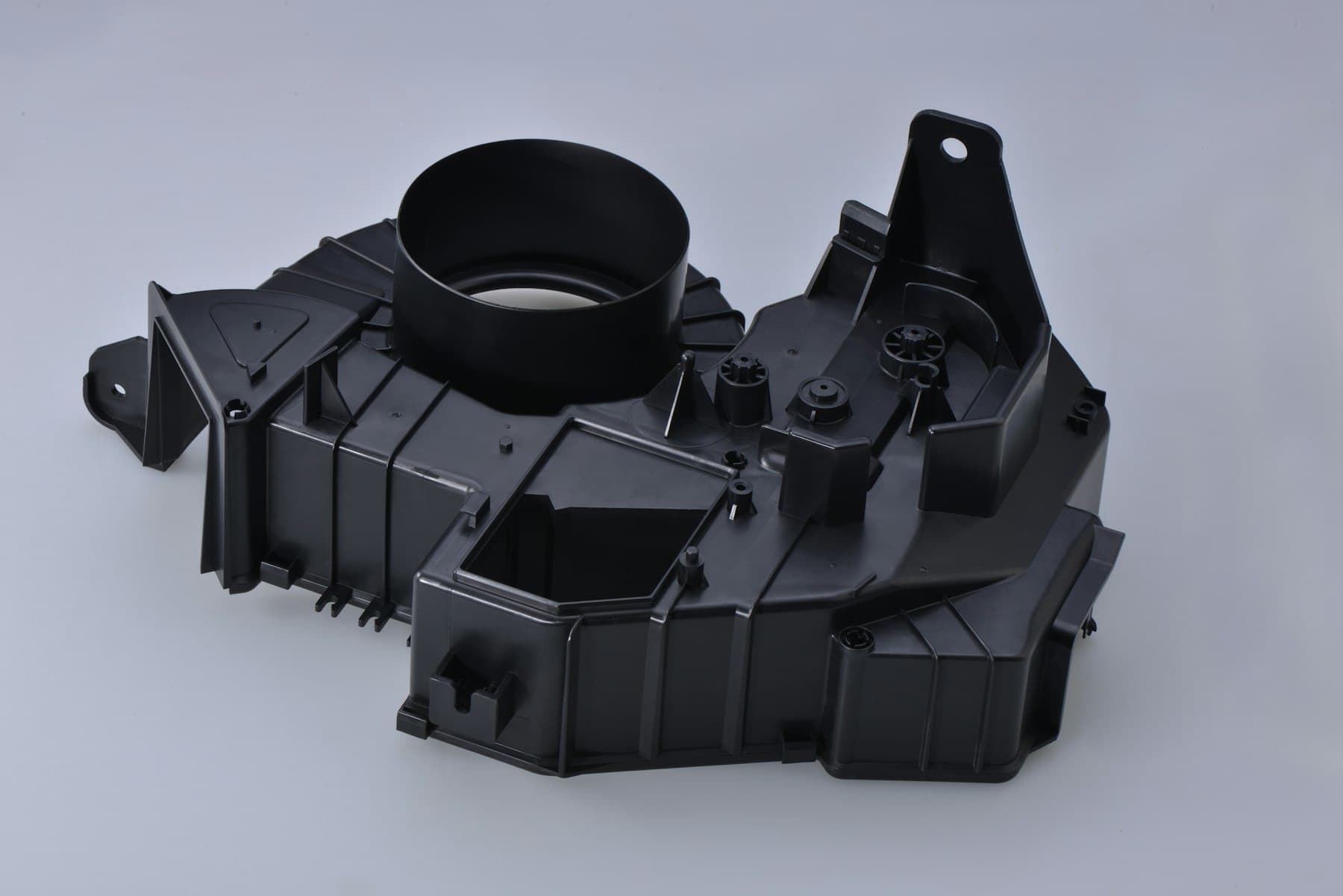
The value of prototype injection molding is representativeness, not merely availability. A printed model may be entirely adequate to check a packaging envelope or a user-interface concept. It is less persuasive when the decision depends on the selected resin, molded wall sections, gate-related appearance, shrinkage, ejection direction, a snap feature or an insert-loading sequence. In those cases, parts produced through molding can reveal interactions that a shape-only prototype may not reproduce. That does not make every result transferable to a later tool: the proposed mold design, processing window, resin grade and inspection basis still determine what can be learned.
Write a one-sentence decision statement before requesting quotations. For example: decide whether the enclosure mates with the released connector and seal using the nominated resin; decide whether a cosmetic surface can accept the proposed gate location; or decide whether a pilot assembly can proceed at the current revision. Then define the evidence that closes the decision, such as a functional assembly check, an agreed dimensional comparison, visual review samples or a trial build record. This turns an early lot from a general experiment into a controlled purchasing scope.
Design change risk is the other half of the choice. Separate features that are unlikely to move, such as a critical interface or defined external envelope, from features still being learned, such as a mounting detail, label recess or cosmetic texture. Ask whether likely changes can be handled through inserts or whether they affect the parting line, gate, cooling, ejection, side actions or mold base. The answer is more useful than a generic claim that a tool is rapid or flexible. It identifies the commitment being made and the change path that would follow.
| Next decision | When molded samples add useful evidence | When another route may be the better first step |
|---|---|---|
| Envelope or early user review | Only if the molded resin or surface is part of the decision | The geometry is still moving and appearance or material behaviour is not yet under review |
| Fit, snap, seal or insert interaction | The parts use the intended material direction and the actual mating components are available | The interface dimensions or mating-part revision remain unknown |
| Cosmetic and gating review | Visible surfaces, permitted witness areas and acceptance samples are agreed before trial | The industrial-design intent is not yet defined |
| Pilot assembly or controlled release | The released revision, lot purpose, inspection and change authority are explicit | The product has no defined release owner or market-readiness criteria |
| Interim supply while a later route is prepared | Demand, exit condition and differences from the later route are understood | Demand and product revision are too uncertain to state what the lot is meant to cover |
02
Choose representativeness, not a label or a universal quantity
Rapid tooling is a manufacturing approach, not a uniform mold specification. Tool material, cavity count, cooling, runner system, venting, gate arrangement, surface treatment and replaceable inserts can differ substantially among suppliers. Ask for the proposed tooling concept in plain language and which features are provisional. Do not infer tool life, repeatability, part cost, timing or resin suitability from the word rapid; those matters are part-specific and belong in the supplier response and purchase scope.
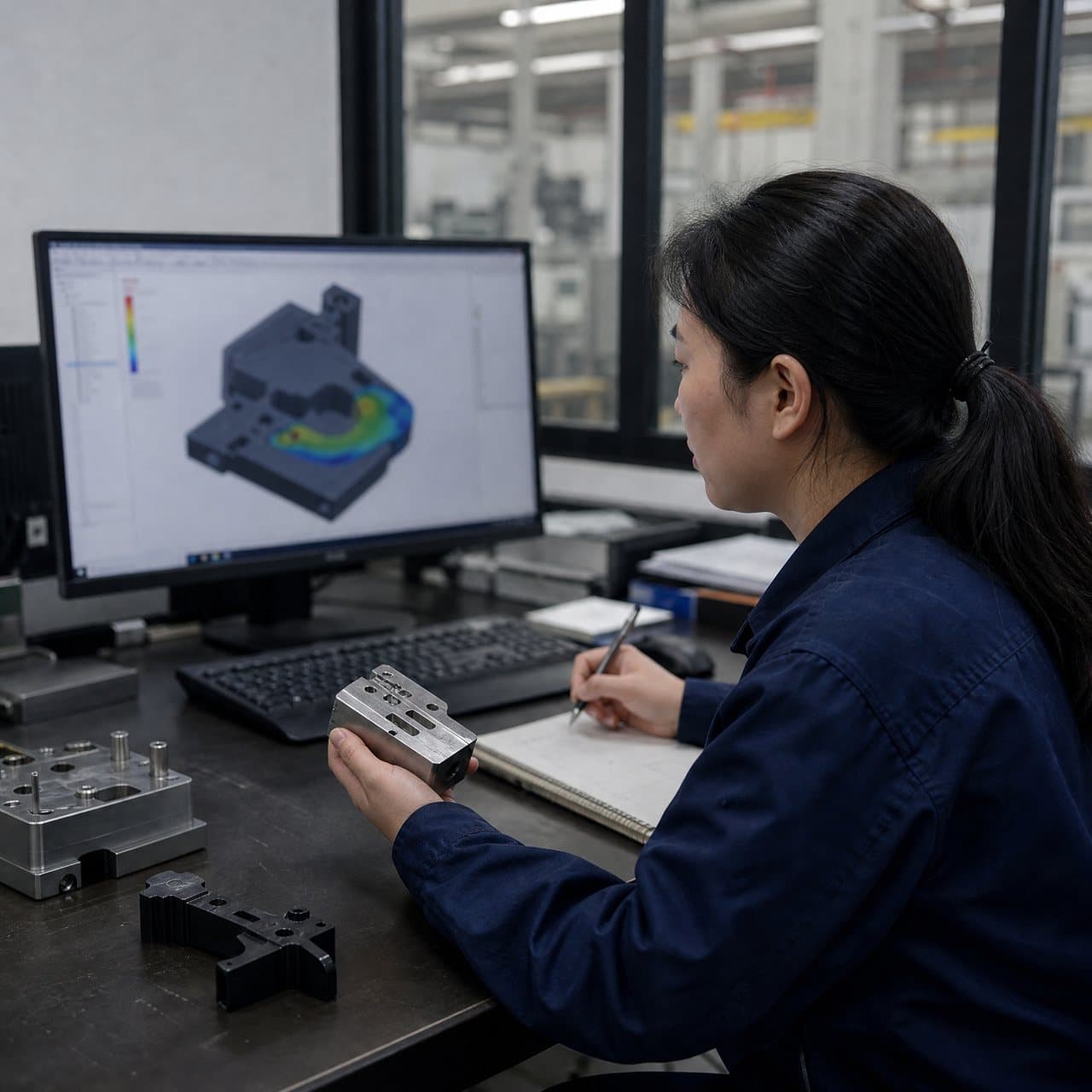
If functional performance matters, identify the resin family and, where known, the grade, colour, filler level and approved alternatives. A substitution can change shrinkage, flow, surface appearance and processing behaviour. Also request a marked DFM review of walls, draft, ribs, bosses, interfaces, parting lines and gates. It should state the affected feature, proposed alternative, functional or cosmetic consequence and decision owner. Nominal dimensions, inspection capability and acceptance conditions must be agreed, not assumed from CAD alone.
03
Use bridge production as a controlled handoff, not a hidden production claim
Bridge production injection molding makes sense when there is a defined near-term need for molded parts but the longer-term route is not yet chosen or available. It may support launch preparation, regional stocking, a pilot programme or a controlled transition between tools. Its benefit is continuity of learning and supply. Its limitation is that an interim mold may not duplicate every feature of a later production mold; differences in cooling, cavitation, automation, handling, gates, inspection or packaging can matter.
Build the handoff plan at the beginning. Name the design revision, material condition, critical dimensions, visual standard, secondary operations and packaging condition that the lot represents. State what data it must provide and what remains for the later route. For external use, identify release authority, traceability, change handling and records. Across Europe, North America and the Middle East, confirm destination-specific product, labelling, import, language and distribution obligations with the responsible product, legal or regulatory teams. A sample, resin datasheet or inspection report is not by itself proof of market approval.
| Control point | Prototype-focused lot | Bridge-focused lot |
|---|---|---|
| Primary purpose | Answer a bounded design or assembly question | Supply a defined interim need while preserving a transition path |
| Revision status | May include identified learning features | Should have a controlled release status and documented deviations |
| Material statement | State the actual material used and what it represents | Lock the approved material condition or document any exception |
| Acceptance evidence | Evidence should match the specific experiment | Evidence should support the stated release, traceability and customer requirements |
| Exit decision | Revise, stop, or commit to the next tool stage | Transfer, continue under control, or replace with the agreed longer-term route |
04
Compare the rapid route with short-run and fully committed options
Short run injection molding is often the right commercial format once the buyer can state the lot purpose, part revision, material direction and acceptance basis. It may serve a pilot, service requirement or interim demand, but it is not interchangeable with an undefined prototype request. The useful distinction is whether the lot is mainly for learning, for supply or for both. A limited externally distributed lot can need a more complete release and logistics plan than a larger internal build.
A fully committed production route may be stronger when demand, design and quality requirements are stable, or when the part needs production-specific automation, cavity, maintenance or validation planning. Conversely, rapid injection molding can be sensible when molded samples can settle an important decision or provide a deliberately limited period of supply while the final route is verified. Compare the consequence of change, evidence required and cost of an incorrect commitment—not a generic quantity threshold.
Compare proposals on equal scope: tool concept, parts, material, operations outside the press, inspection, packaging, modification assumptions, shipping terms and taxes or import responsibilities. For cross-border shipments, clarify the Incoterm, importer of record and document ownership. Ask suppliers to name their principal technical and commercial assumptions rather than selecting on an unqualified part price or delivery date.
05
Make the supplier conversation auditable before release
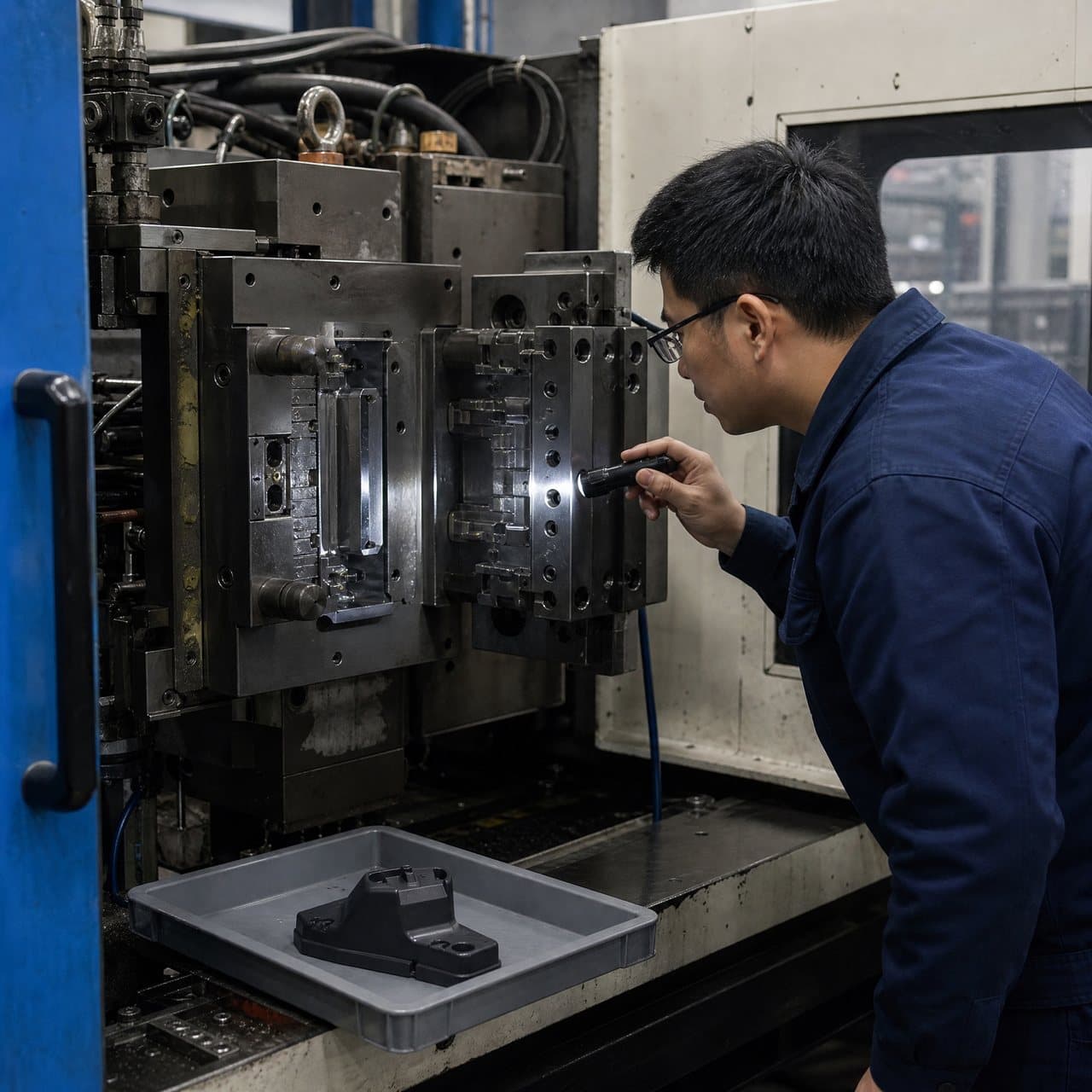
Provide revision-controlled CAD and drawings where available, datum and tolerance information for critical interfaces, mating-part data, resin and colour direction, cosmetic zones, lot purpose, demand range, target markets, downstream operations and required decision date. Mark unresolved matters as unresolved. At DFM review, ask for the opening direction, parting line, gate and ejection approach, likely witness areas, venting concerns, undercut strategy and geometry changes that affect function or appearance.
After sampling, record the part revision, tool status, material condition, available process and inspection evidence, nonconformities, concessions and final decision. Where a feature is safety-, sealing-, electrical- or performance-critical, agree the verification method and owner before relying on early samples. An explicit release or change decision gives purchasing, engineering and quality teams a common account of what the rapid route demonstrated and what remains to be proven.
Practical takeaway
Before you move
to the next review.
- Write the single decision that molded samples must support, plus the evidence that will close it.
- Send controlled CAD, critical interfaces, mating-part information, cosmetic zones and the actual or intended resin condition.
- Ask the supplier to describe the proposed tool, gate, ejection, cooling, venting and change assumptions rather than relying on the word rapid.
- For bridge use, document revision status, lot purpose, material, inspection, release authority, traceability and the exit route to later production.
- Verify destination-market, importer, customer and product-specific compliance obligations with the responsible owners before any external release.
FAQ
Common questions
Is rapid injection molding a good substitute for a production tool?
It can be an appropriate interim route, but it is not automatically equivalent to a later production tool. Its value depends on what the proposed tool and process can represent. Compare the material condition, geometry, cavities, cooling, gating, handling, inspection and release requirements with the decision at hand. Document material differences and validation gaps rather than assuming they will disappear at transfer.
When should we use molded prototypes instead of 3D-printed parts?
Choose molded prototypes when the next decision depends on molding-specific material behaviour, cosmetic effects, shrinkage, ejection, gate location, repeated assembly or a production-intent resin. Choose 3D printing or machining first when design learning is still mainly geometric and frequent revisions would make a tool commitment unhelpful. A mixed plan is common: use direct prototypes to converge geometry, then mold parts to answer the next process or material question.
Can bridge parts be sold in several regions?
Possibly, but the answer comes from the product and market requirements, not from the manufacturing label. Before external release, the responsible product owner should verify the destination countries, product category, labelling, technical documentation, test evidence, importer or distributor duties and customer requirements. Define who authorises release and how bridge-lot traceability, changes and returns will be handled.
References
Source material
This guide is general information for early procurement and engineering discussion. It does not replace product-specific DFM, qualification, validation, regulatory assessment or legal advice.