
An injection mold quote should define the work and deliverables—not only tool cost. Ask for part and tool assumptions, DFM outputs, mold specification, sampling, quality evidence, change rules, ownership, packing and delivery terms. A low figure is not comparable if items are silent, excluded or described differently. Confirm lead time by milestone after the design scope is stable.
A quote is decision-ready when its price, technical scope, acceptance evidence and commercial responsibilities all describe the same project baseline.
01
Start With Scope, Not a Lump-Sum Tool Price
The first line of an injection mold quote should identify the part revision and documents used: CAD, drawing, resin grade, appearance requirements and expected demand. If geometry or material data are incomplete, label them as assumptions. The buyer can then decide whether the injection mold price estimate is for budgeting or purchase approval.
Define the output as well as the tool. State whether the scope is mold design, tool manufacture, injection mold trial, sample measurement, molded-part production, secondary operations, export preparation or a limited combination. A tool that is quoted without samples, inspection records or delivery preparation may be appropriate, but it is not the same offer as one that includes them.
Separate supplied inputs from supplier deliverables. The buyer should provide controlled part data, target resin, critical dimensions, cosmetic expectations, volume scenario and machine interface where known. The supplier should list the documents and evidence it will return. This reduces later disagreement over a revision, texture, insert or alternative resin.
02
Put Tooling and Engineering Assumptions in Writing
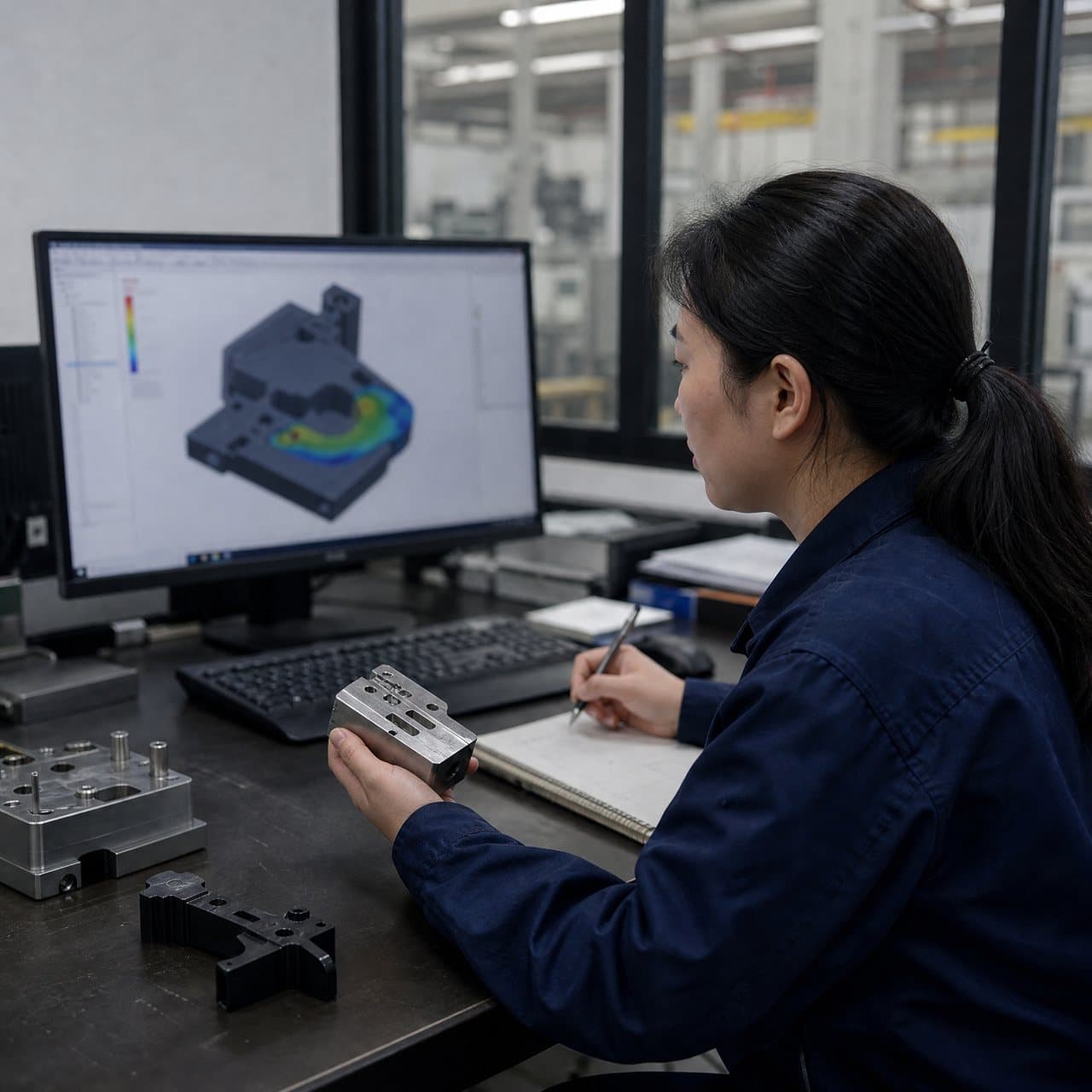
An injection mold tooling quote should describe the proposed technical route, while final choices remain subject to design review. List cavity arrangement, runner and gate approach, side actions, ejection, cooling, tool steel or aluminum assumption, surface finish and intended resin. Each can affect durability, quality, maintenance and injection mold cost.
Tolerances and acceptance criteria need equal visibility. ISO 20457:2026 provides a plastics-specific framework for geometrical and dimensional tolerances and acceptance conditions, noting the influence of material behavior, shrinkage, warpage and cooling [1]. A quote does not need to reproduce the standard, but it should point to the drawing revision, named critical-to-quality dimensions, measurement method and the acceptance basis that apply to the project.
Use a quoted-versus-excluded table so commercial, engineering and quality colleagues see the same boundary. Any empty cell is a question to close before a purchase order is issued.
| Quote area | What the description should identify | Why the buyer should check it |
|---|---|---|
| Part and DFM baseline | Part revision, material assumption, key risks, DFM review deliverable and change-control point | Prevents a budgetary estimate being treated as a fixed scope |
| Tool configuration | Cavity plan, runner approach, side actions, ejection, cooling, steel or aluminum assumption and finish scope | Shows the design choices behind the tool total |
| Trials and samples | Planned injection mold trial stage, sample quantity only if project-confirmed, measurement scope and rework boundary | Separates tool build from proof of part performance |
| Quality evidence | Drawing-linked dimensions, visual standard, report type and approval responsibility | Creates a testable acceptance path rather than a verbal promise |
| Commercial delivery | Payment milestones, ownership, packing, Incoterms version and named place, export paperwork and freight scope | Prevents an apparently lower quote from omitting transfer or delivery costs |
03
Separate Tool Build, Sampling and Production Readiness
Ask for a milestone plan rather than one unqualified injection mold lead time. It should identify design review, tool-design release, machining and assembly, first trial, inspection, corrective work, approval and dispatch. Confirm dates for the project after complete inputs are received, since complexity, material availability, changes and approval speed can alter the sequence.
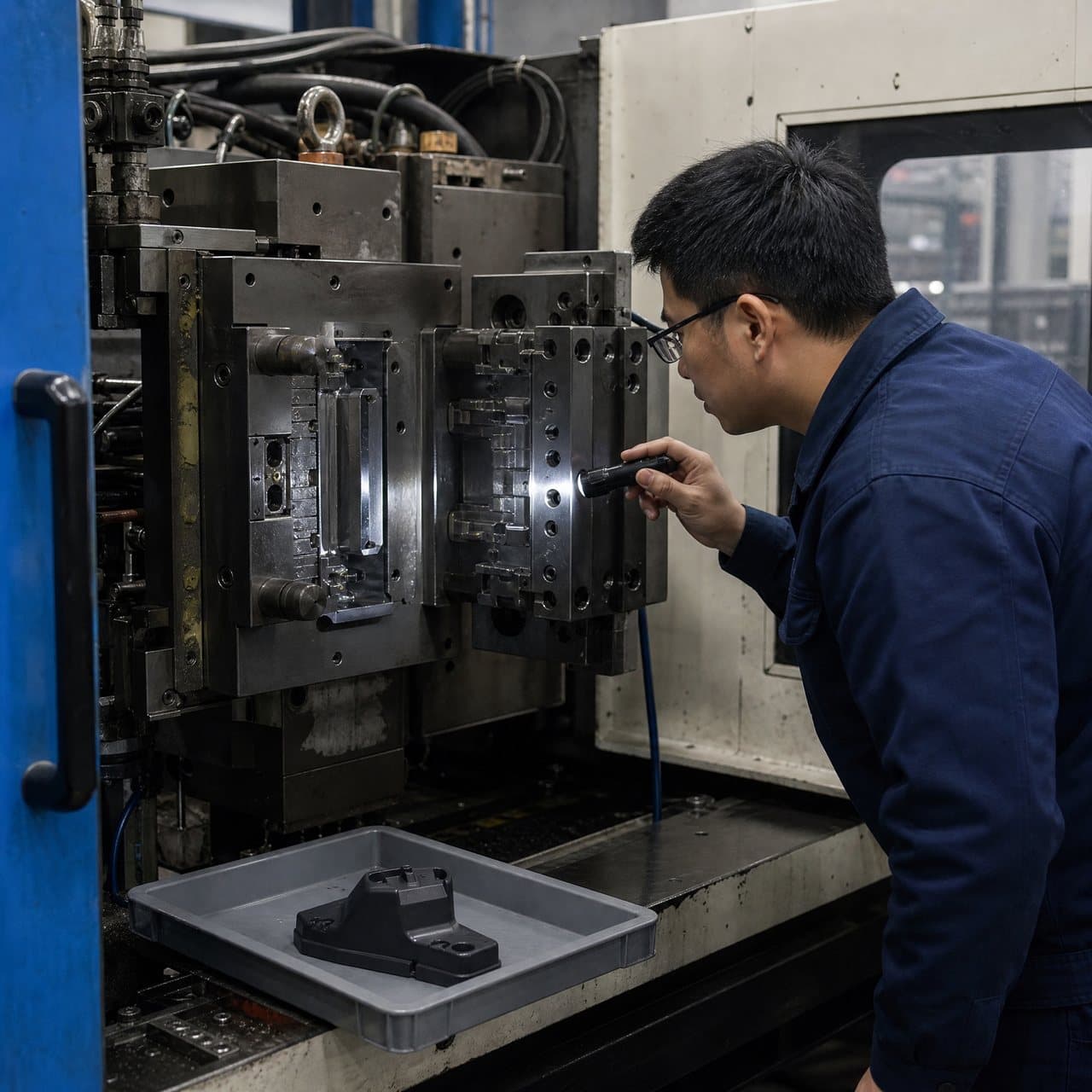
Clarify what each trial stage proves. A T0 sample may be an initial learning step and a T1 sample may follow adjustments, but the labels do not define acceptance. Ask what will be recorded and measured, who approves it and whether a report is included. Name the source and due date for any reference sample, color approval or mating part.
Do not assume that corrective work is unlimited. The quote should distinguish corrections required to meet the agreed specification from changes caused by a buyer revision, a new resin, a revised tolerance, a changed texture or an added feature. It should explain the notice and approval process before chargeable work starts.
04
Make Commercial, Compliance and Export Responsibilities Explicit
For an export injection mold, identify the legal buyer, tool owner, delivery point, packaging, export documents and storage or transfer expectation. Ownership language should state what physical tool, design data and records are included, when title transfers if applicable, and how a future transfer is requested. Agree these contractual points in the purchase order or supply agreement.
State the delivery term as the named Incoterms rule, named place and version, rather than using a vague word such as shipped. ICC explains that Incoterms 2020 allocate costs, risk and obligations, while the U.S. International Trade Administration notes that they do not settle every sales-contract term, including ownership transfer, price or payment timing [2] [3]. The quote should therefore make freight, insurance, customs support, unloading and import responsibilities visible alongside the tooling total.
For EU-bound parts, put requested material and product-compliance evidence in the RFQ and quote scope. Avoid a generic compliance statement: name the material declaration, test requirement, customer specification or regulation. For U.S. and Middle East programs, identify the market, industry rules and documentation expectation. The supplier can then confirm included evidence, any third-party testing and buyer decisions.
05
Compare Offers on the Same Baseline Before Selecting a Supplier
Compare every offer against the same part revision, resin, cavity concept, demand, tolerance basis, trial scope, quality evidence and delivery term. Mark each line included, excluded, optional or to be confirmed. This makes scope gaps visible before negotiations focus on price.
Ask suppliers to show the validity period and triggers for a revised injection mold price estimate: changed CAD, resin, cavity requirements, actions, finish, inspection requirements or commercial terms. The objective is a transparent baseline and approval route for legitimate change orders.
For a project-specific injection mold tooling quote, submit native CAD and a controlled drawing where available, mark functional and cosmetic zones, identify material and color, add volume scenarios and attach required quality or compliance documents. Ask the supplier to list unanswered questions and alternatives.

Practical takeaway
Before you move
to the next review.
- Confirm the quoted CAD and drawing revision, resin grade, color and part assumptions.
- Request the proposed cavity, runner, gate, ejection, cooling and side-action scope in writing.
- Identify the injection mold DFM deliverable, design-review gate and change-control process.
- Define the trial stages, sample and measurement scope, acceptance criteria and approval owner; quantities are project-confirmed.
- List included and excluded quality records, material declarations, third-party tests and export documents.
- Confirm tool ownership, storage, maintenance, spare parts, release and transfer terms.
- State the Incoterms rule, named place, version, packing, freight, insurance and customs responsibilities.
- Request milestone-based injection mold lead time, with dependencies and dates confirmed for the project.
FAQ
Common questions
What is the difference between an injection mold quote and an injection mold tooling quote?
An injection mold quote may be used broadly for the mold, molded parts or both. An injection mold tooling quote should isolate the engineering, design, tool build, trials, documentation and delivery scope for the tool. In either case, ask the supplier to label what is included, excluded, optional and subject to project confirmation.
How should a buyer assess an injection mold price estimate before issuing a purchase order?
Treat an injection mold price estimate as a budgeting figure until the part revision, material, tool concept, tolerance basis, trial scope, evidence package, delivery term and change rules are defined. Compare every offer on that same baseline. A lower estimate may simply omit sampling, inspection, export packing, rework or other needed deliverables.
What should be included in an injection mold lead time commitment?
The commitment should name milestones from input release through design, tool build, trial, inspection, approval and dispatch. It should identify dependencies such as approved CAD, material confirmation, buyer feedback and any third-party test. Dates and duration need to be confirmed for the individual project rather than inferred from a generic promise.
References
Source material
- [1] ISO — ISO 20457:2026 Plastics moulded parts — Tolerances and acceptance conditions
- [2] International Chamber of Commerce — Incoterms 2020
- [3] International Trade Administration — Know Your Incoterms
This guide is general information for early procurement and engineering discussion. It does not replace product-specific DFM, qualification, validation, regulatory assessment or legal advice.