
A buyer should evaluate a runnerless mold as a part-specific melt-delivery decision, not as a premium default. Start with the permitted gate area, resin grade, part geometry, forecast and what evidence will be needed at trial. Then compare the proposed system with a conventional alternative using the same cavities, material policy and quality scope. A runnerless approach can remove a solid runner from the shot, but it also puts heated components, temperature control and service access into the mold concept [1].
The decision is sound only when it protects the part’s functional and cosmetic priorities and has a credible life-cycle case. A hot runner mold may support direct gating and avoid solid-runner handling; a cold runner mold may be more proportionate when lower initial complexity, easy changes or the production pattern matter more. The correct answer depends on the actual part, resin and programme—not on a generic volume rule [1][2].
A runnerless system keeps the melt distribution path heated; it does not eliminate the need to agree the gate mark, material behaviour or trial evidence [1].
01
Define what “runnerless” means in this quotation
Use the term carefully. In common injection-molding usage, a heated manifold and nozzles keep the distribution path molten rather than ejecting a solid runner with the part. The buyer should ask whether the proposal is a full hot-runner system, a hot sprue/extended nozzle, or another direct-gating arrangement; whether it is thermal-tip or valve-gated; and what controller and zones are included. Those choices affect the gate, maintenance access and the assumptions inside the quotation [1][3].
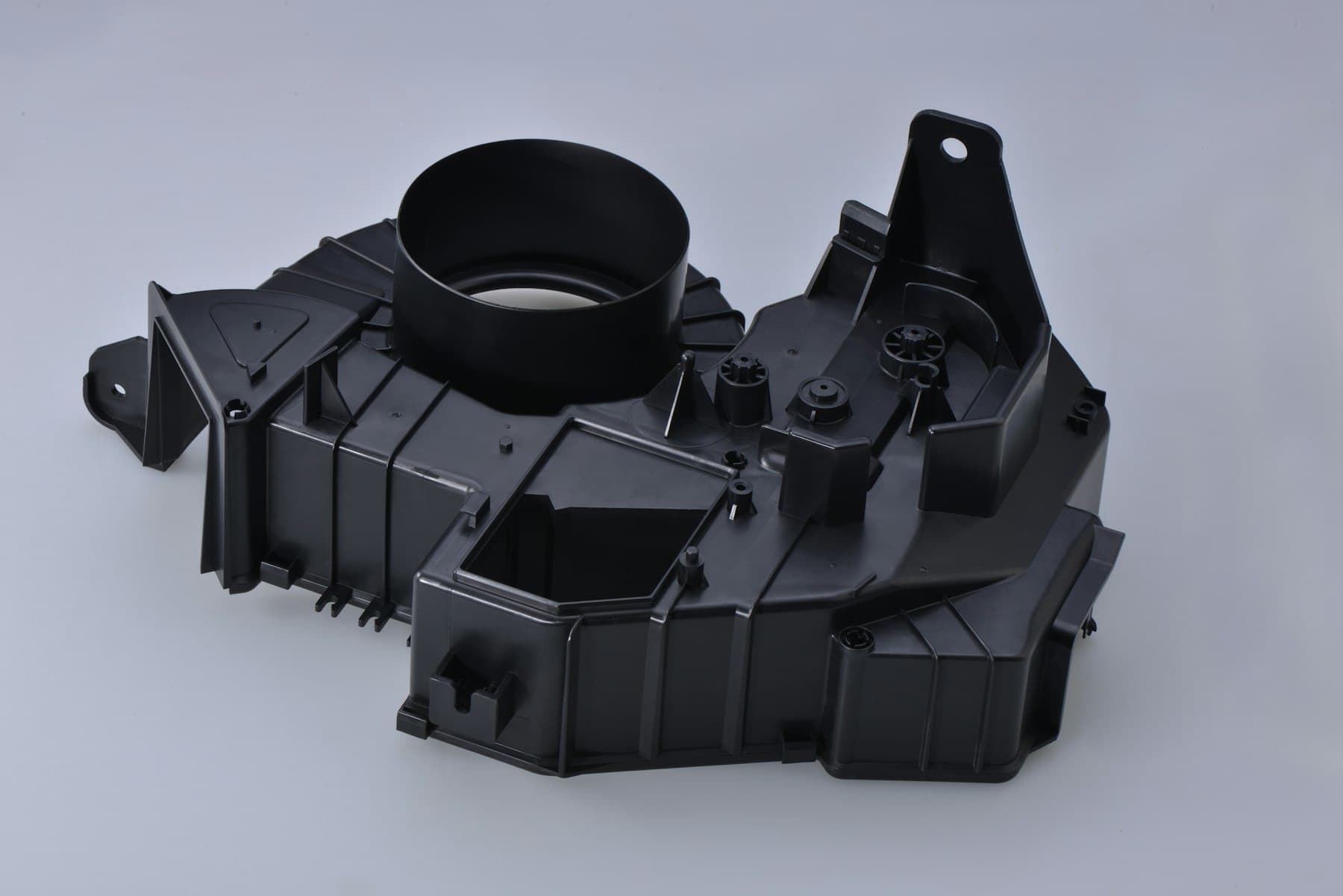
Request a cross-section or layout that identifies the gate on the part image, not only a supplier’s mold diagram. Mark show surfaces, sealing lands, interfaces, load-bearing regions and areas that cannot accept a vestige. Include the chosen resin grade, colour, any filler or reinforcement, expected changeovers and the proposed cavity count. This turns a label into an injection molding runner design review: the melt path, gate location, flow route and service plan can be evaluated together before steel is committed.
02
Judge the gate by the part’s real priorities
A direct gate can broaden placement options, but it is not automatically the best entry point. Gate position influences filling, packing, flow direction and the visible witness at the entry. Avient’s mold-design guidance notes that gate type and location can affect packing, cosmetic appearance and part dimensions; it also recommends evaluating locations in relation to flow lines, weld lines and the longest flow path [3]. For a custom part, agree which result matters most at each candidate location: a concealed mark, packing of a heavier feature, a shorter flow path, or the avoidance of a critical surface.
Specify the gate form and acceptance criterion rather than asking for a vague “clean gate.” Thermal-tip gating and valve gating have different mechanisms and potential gate conditions. Valve gates provide positive mechanical shut-off, while hot tips have no moving shut-off pin; both must be selected around the resin, gate geometry and required surface condition [1][3]. Gate vestige, stringing, drool and any permissible local finish should be judged against an agreed sample or drawing note. A simulation may inform the review, but it is not substitute evidence that the finished part works in its intended use.
03
Compare the full production case, not only resin waste
A fair comparison holds the part, cavity count, resin grade, demand profile and quality requirements constant. A cold runner solidifies and leaves with the shot, creating material to separate, reuse under an agreed policy or dispose of. A heated distribution system can avoid that solid runner, but increases initial complexity and requires melt-path control [1][2]. Regrind permissions, traceability expectations and product-specific requirements must be confirmed with the resin specification and product programme; they cannot be inferred from runner type.
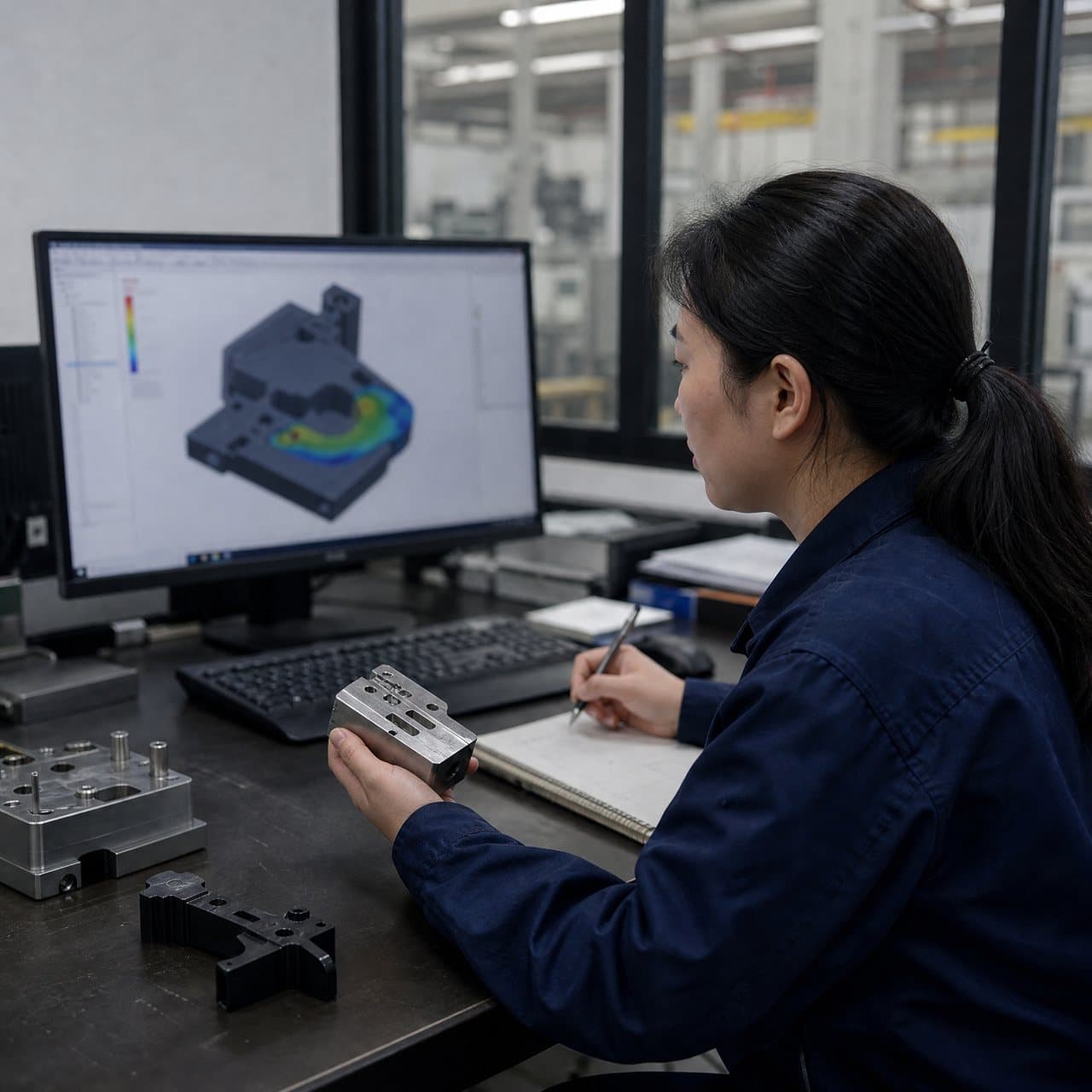
Build the commercial model from inspectable assumptions: quoted tool content, part and runner mass, resin price basis, production windows, changeovers, handling, controller and spare-part scope, maintenance and sampling evidence. This is the useful way to discuss injection molding cost. It avoids treating saved runner mass or an advertised cycle benefit as guaranteed. Husky and Mold-Masters describe possible reductions in runner handling and cooling-related burden, alongside higher initial cost and added maintenance [1][2].
| Decision area | Runnerless / heated route | Cold-runner route | Question for the quote review |
|---|---|---|---|
| Melt path | Manifold and nozzles keep distribution melt heated. | Runner solidifies and is ejected with the part. | What exactly is included, controlled and accessible? |
| Gate and surface | May enable direct entry and thermal-tip or valve-gate options. | Gate follows conventional runner layout and may need degating. | Where is the vestige, and what sample condition is acceptable? |
| Material handling | No solid runner from the heated distribution path. | Runner handling and any permitted reuse need definition. | What is the resin and regrind policy for this part? |
| Ownership cost | Higher initial system content; controls, spares and service planning matter. | Usually simpler initial runner hardware; runner and secondary handling remain. | Which assumptions are included in total programme cost? |
04
Test resin compatibility and thermal risk before release
Ask the resin maker or qualified processing resource to review the proposed heated path, not just the machine barrel settings. Material sensitivity to temperature, shear, residence time and stagnation is grade-specific. In its TPE guidance, Avient cautions that some SBS materials can crosslink if held hot too long and recommends that hot-runner components be selected with relevant material experience [3]. BASF similarly advises externally heated systems for the Elastollan TPU family and says multi-cavity tools need a balanced runner system [4]. These are material-family examples, not rules for every polymer.
Request a plan for start-up, interruption, shutdown, purge, colour changes and fault recovery, including who owns controller settings and how deviations are recorded. SABIC’s ULTEM processing guide links excessive residence time and hang-up areas with degradation-related troubleshooting and advises users to determine suitability through testing and analysis [5]. The buyer should therefore define the actual grade, pigment or additive package, maximum planned interruptions and the part-specific observations to review at trial. Any regulated, food-contact, medical or safety-critical claim requires its own product-specific compliance and validation decision; runner selection alone does not establish it.
05
Turn the concept into a controlled approval decision
Before purchase order release, ask for a decision record that compares at least the selected concept and a credible alternative. It should state gate location and type, cavity layout, resin assumptions, expected gate condition, controller and zone plan, maintenance access, included spares, trial sequence and the commercial assumptions used in the comparison. For multiple cavities, ask how the system is intended to achieve flow and thermal balance. Balanced layouts matter because unequal filling can produce part-weight and dimensional variation [3].
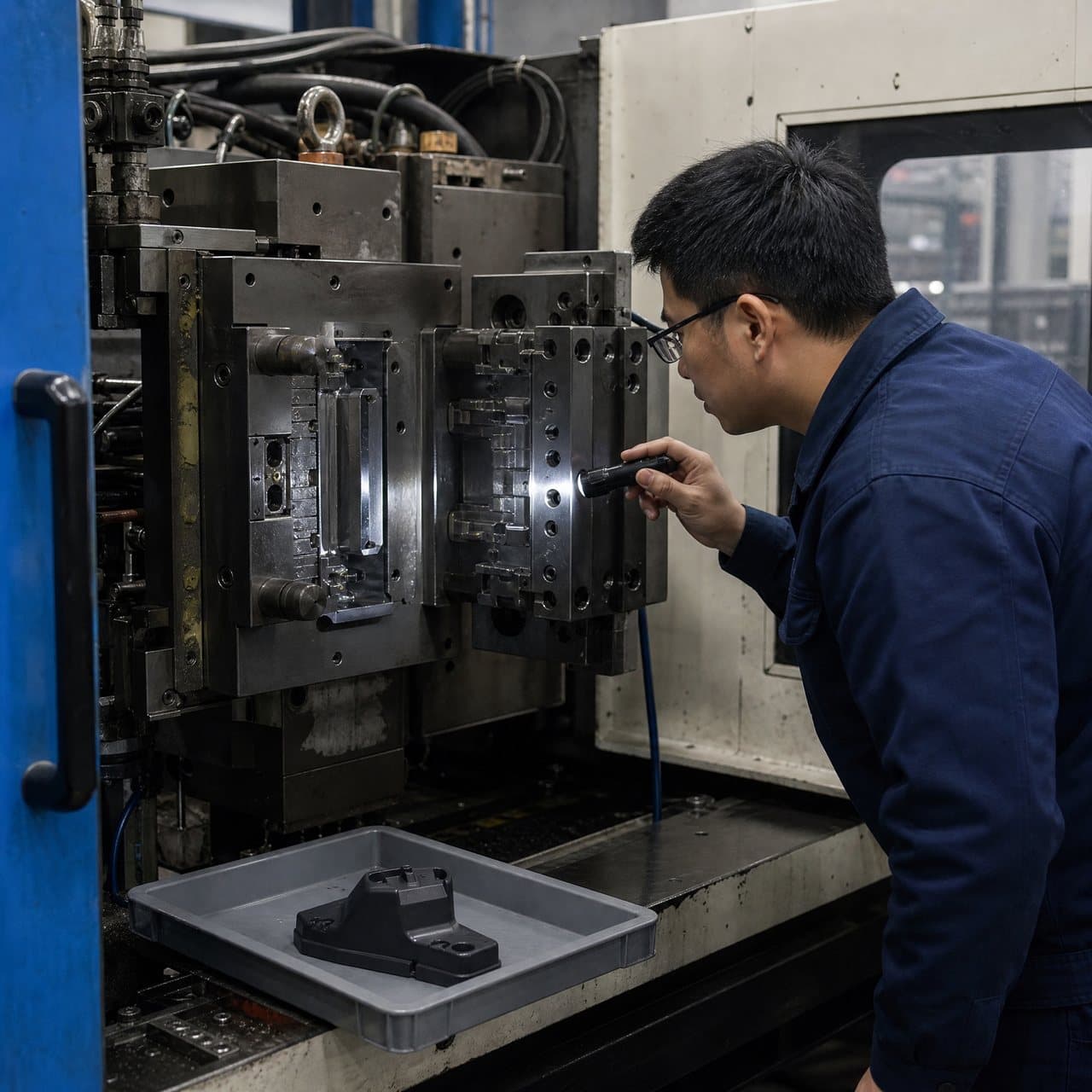
At trial, review the agreed gate area, end-of-fill regions, dimensional features and any part-specific functional or cosmetic evidence—not only whether parts were produced. Record changes to material grade, colour, gate detail, temperature strategy or cavity arrangement because each may invalidate an earlier assumption. For a buyer preparing a quote or engineering review, send the CAD, drawing, resin specification, forecast, marked no-gate surfaces and desired evidence to info@injeform.com. Ask for the runner proposal and its assumptions to be returned as a reviewable decision, not a black-box tooling line.
Practical takeaway
Before you move
to the next review.
- State whether the proposal is a hot runner, hot sprue or another direct-gating arrangement, and identify thermal-tip or valve-gate operation.
- Mark the permitted gate zones, show surfaces, seals, datums and functional features on the current CAD image.
- Provide the exact resin grade, colour or additive assumptions, regrind policy and likely changeover pattern for review.
- Compare alternatives on common scope: cavities, part and runner mass assumptions, handling, controls, spares, maintenance and trial evidence.
- Approve a part-specific trial plan covering gate condition, critical dimensions, end-of-fill areas and any necessary functional or regulatory validation.
FAQ
Common questions
Is a runnerless mold always the lower-cost option?
No. It can remove a solid runner and may reduce related handling, but the system has higher initial content and needs controls, maintenance and a material-specific operating plan [1][2]. Evaluate total programme assumptions rather than applying a generic volume or payback threshold.
When should a buyer ask for valve gating rather than thermal-tip gating?
Ask for a comparison when gate shut-off, vestige, flow timing or surface condition matters. Valve gates use a mechanically actuated pin, while thermal gates rely on thermal conditions [1][3]. The choice is part-specific and should be demonstrated in review.
What evidence should be requested at the first mold trial?
Request the agreed material and process identity, images of nominated gate and cosmetic areas, dimensional observations and any part-specific functional checks. Record gate, temperature, resin or process changes. Sampling evidence must match intended use; it is not blanket regulatory or performance approval.
References
Source material
- [1] Husky Technologies, “Hot Runner Fundamentals.”
- [2] Mold-Masters, “Hot Runners vs Cold Runners: Why You Should Be Using a Hot Runner System.”
- [3] Avient, “Injection Molding: Mold Design.”
- [4] BASF, “Processing Injection Moulding: Elastollan.”
- [5] SABIC, “ULTEM™ Resin Processing: An Introduction and Troubleshooting Guide.”
This guide is general information for early procurement and engineering discussion. It does not replace product-specific DFM, qualification, validation, regulatory assessment or legal advice.