
Buyers should specify tool life as a documented, measured duty: expected total cycles, demand profile, resin and processing conditions, acceptable cycle-time window, maintenance trigger, and release evidence. A label such as production tooling or high volume injection mold is not enough. The RFQ and purchase order should state the tool-life assumption, verification method, change-control path, and repair responsibilities, then reconfirm them during injection mold validation and injection mold acceptance.
Treat cycle life as a verified commercial requirement, not a shorthand label. The agreed duty, trial evidence, maintenance record, and change approvals should tell the same story.
01
Define the production duty before selecting the tool
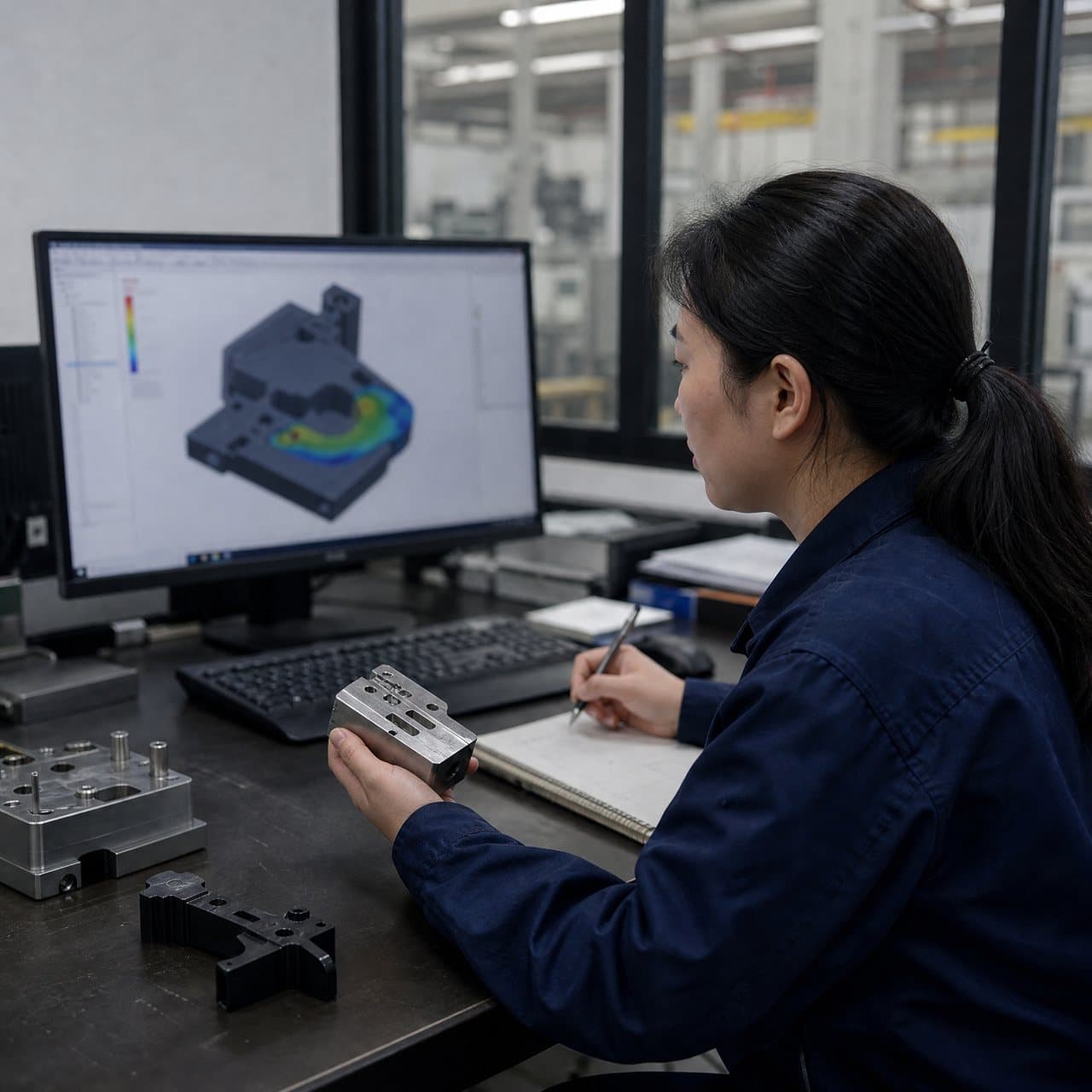
Start with the commercial duty, not a generic claim that the mold is for production. State the forecast total tool cycles, annual demand, peak-rate requirement, parts per cycle, intended service period, and any ramp-up or seasonal pattern. For a multi cavity mold, distinguish tool cycles from good-part output. Define the counter event, such as one complete close, fill, cool, open, and ejection sequence, so that the life target can be measured consistently.
Name the approved resin grade, color approach, inserts, expected machine conditions, automation, and any abrasive, corrosive, or filled-material exposure. A tool proven with an unfilled resin may wear differently with a glass-filled grade. A slower trial cycle also does not prove a faster commercial cycle. For Europe, the United States, and the Middle East, keep one controlled English specification with a drawing revision, clear units, approvals, and deviations. Identify the contractual minimum duty separately from the forecast.
02
Use mold classes as a planning language, not a life guarantee
Common SPI-style classes provide a starting language for comparing construction intent. They do not replace a part-specific duty statement. The bands below are industry conventions summarized by Fictiv in reference 1 and are planning examples, not life guarantees. Confirm every cycle target, construction detail, spare-parts scope, and maintenance requirement for the project.
A high volume injection mold should be matched to its written duty. Ask the supplier to propose tool construction, wear protection, support for moving features, and a replacement-parts plan against the approved resin, geometry, cycle requirement, and service conditions. Do not assume that two suppliers mean the same thing by the same class label.
| Planning class | Cycle expectation — planning example only | Buyer specification focus |
|---|---|---|
| Class 101 | More than 1,000,000 tool cycles; confirm per project. | Specify the full commercial duty, wear protection, critical spares, service records, and acceptance evidence. |
| Class 102 | 500,000 to 1,000,000 tool cycles; confirm per project. | Define the forecast, resin exposure, moving features, planned maintenance, and release test. |
| Class 103 | Below 500,000 tool cycles; confirm per project. | Set a written maintenance threshold and decide whether cosmetic or tolerance demands require a higher construction level. |
| Class 104 | Below 100,000 tool cycles; confirm per project. | Verify that demand, material, and commercial risk fit a lower-volume route before ordering. |
| Class 105 | Below 500 tool cycles; prototype planning example only; confirm per project. | Use only where prototype intent, part requirements, and future production transfer are explicitly agreed. |
03
Build injection mold validation around reproducible evidence
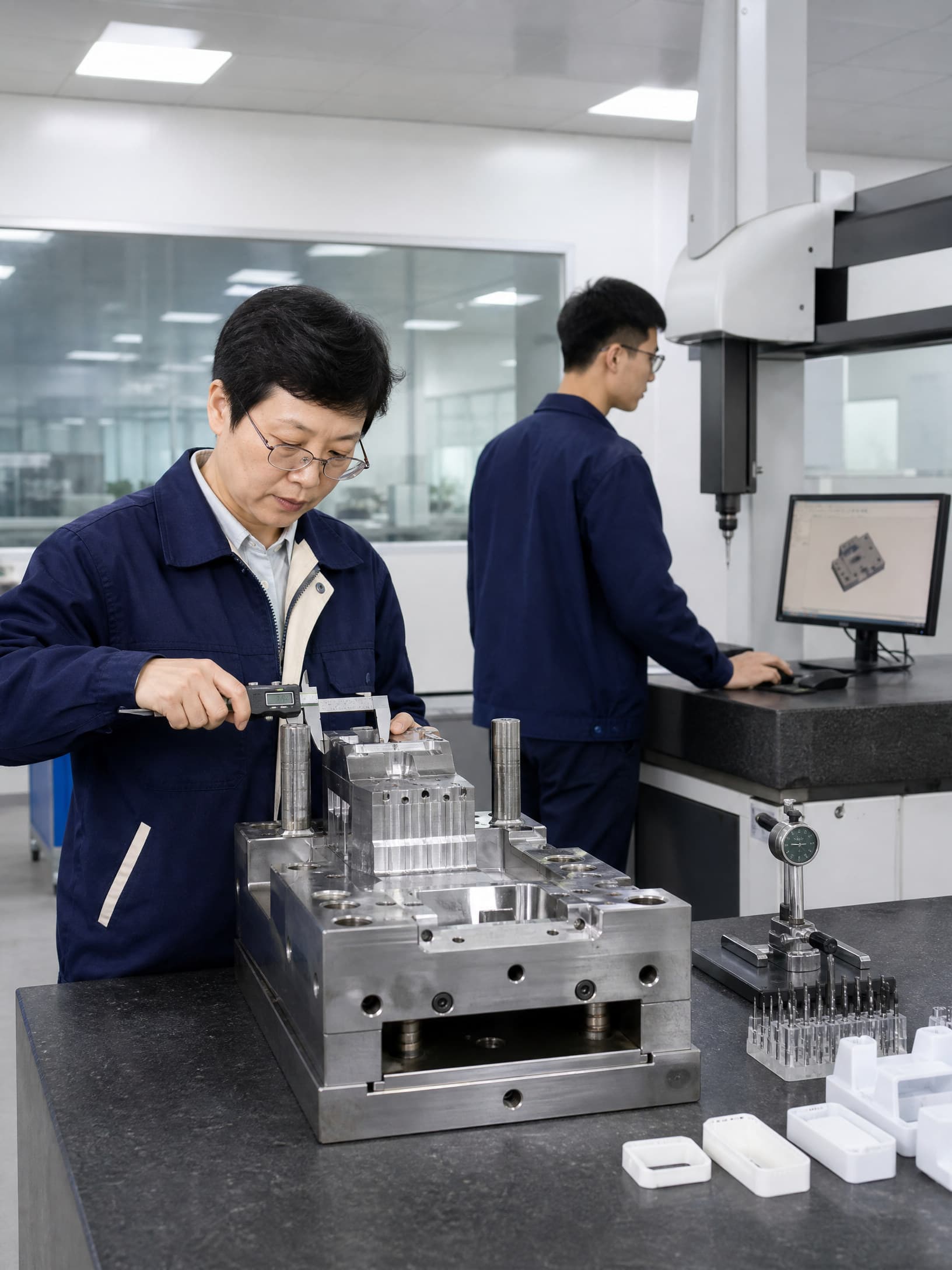
Injection mold validation should connect the approved design and material to a defined machine setup and documented run, not simply provide attractive samples. The FDA defines validation as objective evidence that a process consistently meets predetermined specifications; its lifecycle approach separates process design, qualification, and continued verification. This is useful when part quality cannot be fully proven by inspecting every characteristic after molding; see reference 2.
Approve a validation protocol before the meaningful trial. It should identify CAD and drawing revisions, material, tool configuration, machine and auxiliary equipment, measurement method, critical features, visual standard, functional tests, agreed sample plan, intended process window, and pass criteria. The resulting report should record dimensional and visual results, actual cycle observations, nonconformities, and dispositions. Any change in resin, gate, cooling, machine, or process settings needs an agreed review for revalidation or targeted re-inspection.
04
Make injection mold acceptance a measurable commercial gate
Injection mold acceptance should be a documented release decision, whether it triggers shipment, title transfer, production release, or a payment milestone. It should answer three separate questions: does the tool run repeatedly; do parts meet agreed requirements; and is the evidence complete? Keep technical approval distinct from commercial terms while making the link between them explicit.
Specify the approved drawing and resin, appearance standard, dimensional and functional criteria, cosmetic zones, cavity identification, cycle-time window, inspection method, records to deliver, and deviation route. For a volume tool, require a production-representative acceptance run with duration and conditions confirmed per project. Review stability across the run, not only first-off parts. If a target is missed, require a corrective-action owner, evidence, and retest condition.
05
Turn injection mold maintenance into a controlled service plan
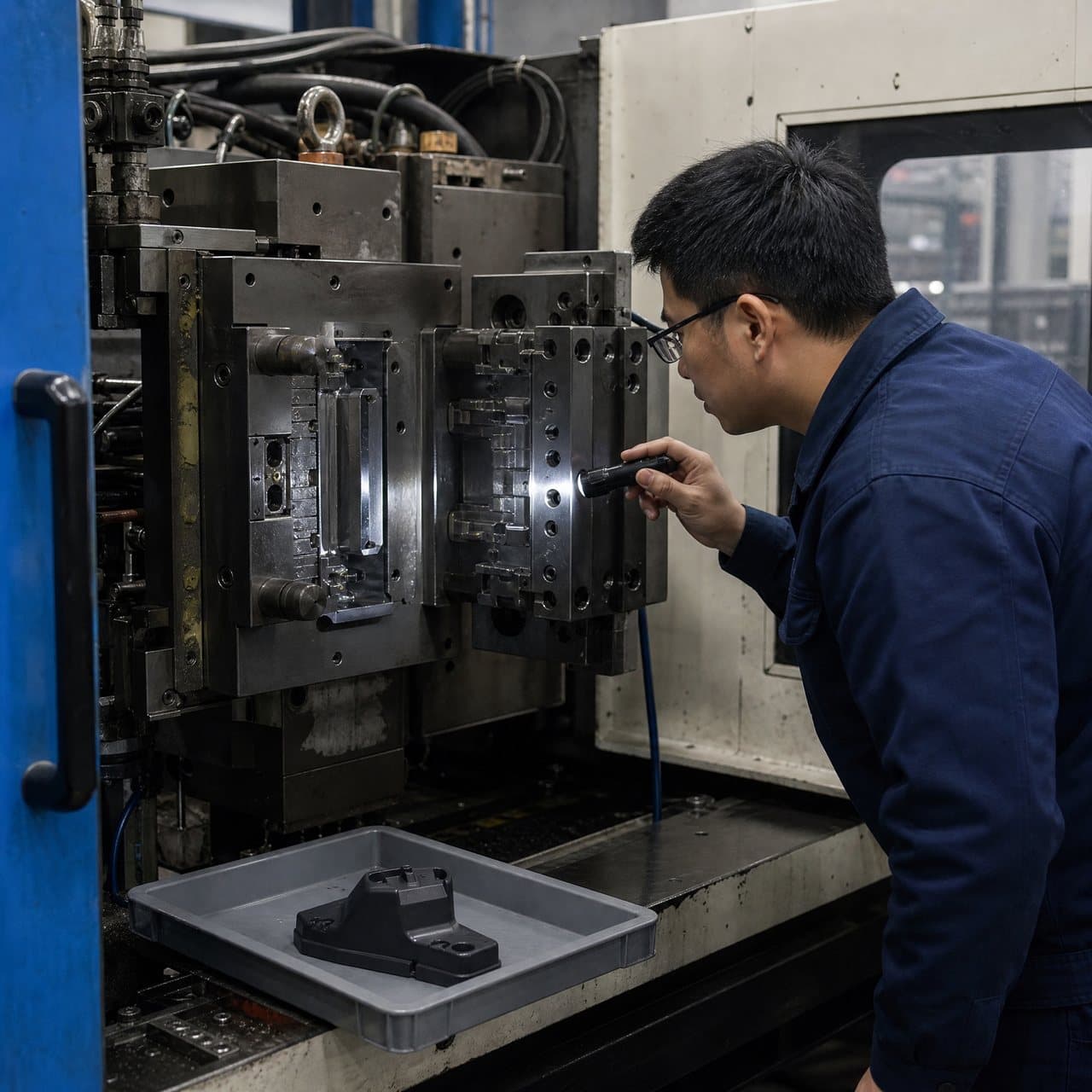
Tool life is protected in operation as well as in manufacture. Require a unique tool ID, reliable cycle counter or agreed production record, project-confirmed maintenance triggers, and accessible history. The plan should cover cleaning, appropriate lubrication, inspection of shutoffs and moving components, ejection, cooling, venting, alignment, corrosion prevention, and defined wear-item replacement.
RJG notes that inspection, cleaning, lubrication, and adjustment help prevent unplanned failures and support stable output; see reference 3. Require a dated log showing cycle count, observations, work completed, replaced parts, post-service checks, and return-to-production approval. Before release, agree service scheduling, critical spares, repair authority, cost responsibility, storage preservation, and the changes that require new injection mold validation or revised injection mold acceptance.
06
Use the RFQ to align technical evidence and commercial ownership
Use the RFQ to request a response against each requirement, not merely a mold price. Ask for assumptions, exclusions, proposed construction, validation deliverables, acceptance conditions, maintenance approach, spares, storage terms, ownership wording, and change control. Compare responses line by line; a lower quote may omit the evidence or service discipline needed for the intended duty.
Send controlled CAD and drawings, material requirements, demand profile, target markets, production route, appearance standard, critical features, and this checklist for a project-specific review. InjeForm can discuss production tooling scope, injection mold validation evidence, injection mold acceptance criteria, and injection mold maintenance expectations before quotation. Request a quote after assumptions affecting tool life and cycle performance are visible and agreed.
Practical takeaway
Before you move
to the next review.
- State the contractual tool-cycle duty, the forecast demand, and the counting method for tool cycles versus part output.
- Name the approved resin, grade, color approach, filled or corrosive-material exposure, inserts, and anticipated machine conditions.
- Ask the supplier to propose construction, wear protection, critical spares, and exclusions against the documented duty.
- Approve a validation protocol that fixes revisions, measurement methods, process conditions, sample selection, pass criteria, and change control.
- Define injection mold acceptance as a documented release gate with technical, part-quality, and evidence-completeness criteria.
- Set a project-confirmed production-representative run, cycle-time window, and corrective-action route for any unmet requirement.
- Require a maintenance log with tool ID, cycle count, service work, replaced parts, post-service checks, and return-to-production approval.
- Agree ownership, storage, repair authority, spare-parts access, transfer records, and revalidation triggers before purchase order release.
FAQ
Common questions
Is a mold class enough to specify production tooling?
No. A mold class is a useful planning reference, but it does not define the actual resin, part geometry, cycle target, maintenance scope, acceptance evidence, or responsibility for repair. Put those items in the RFQ and purchase terms, then confirm the proposed construction against them.
What evidence should support injection mold validation?
Request a controlled protocol and report that link the current design revision, material, tool configuration, process conditions, inspection methods, critical features, agreed sample plan, observed results, deviations, and approvals. The exact evidence should match the project’s risk and end-use requirements.
When should maintenance trigger a new acceptance review?
Define this before production. A routine service may need only a maintenance record and post-service check. A repair or modification that can affect dimensions, appearance, cooling, venting, ejection, resin flow, or a critical feature should be evaluated against an agreed re-inspection or revalidation rule.
References
Source material
- [1] Fictiv, What to Know About Injection Molding Tooling Life
- [2] U.S. Food and Drug Administration, Process Validation: General Principles and Practices
- [3] RJG, The Critical Role of Mold Maintenance in Injection Molding
This guide is general information for early procurement and engineering discussion. It does not replace product-specific DFM, qualification, validation, regulatory assessment or legal advice.