
Custom production molds for overseas OEM programs
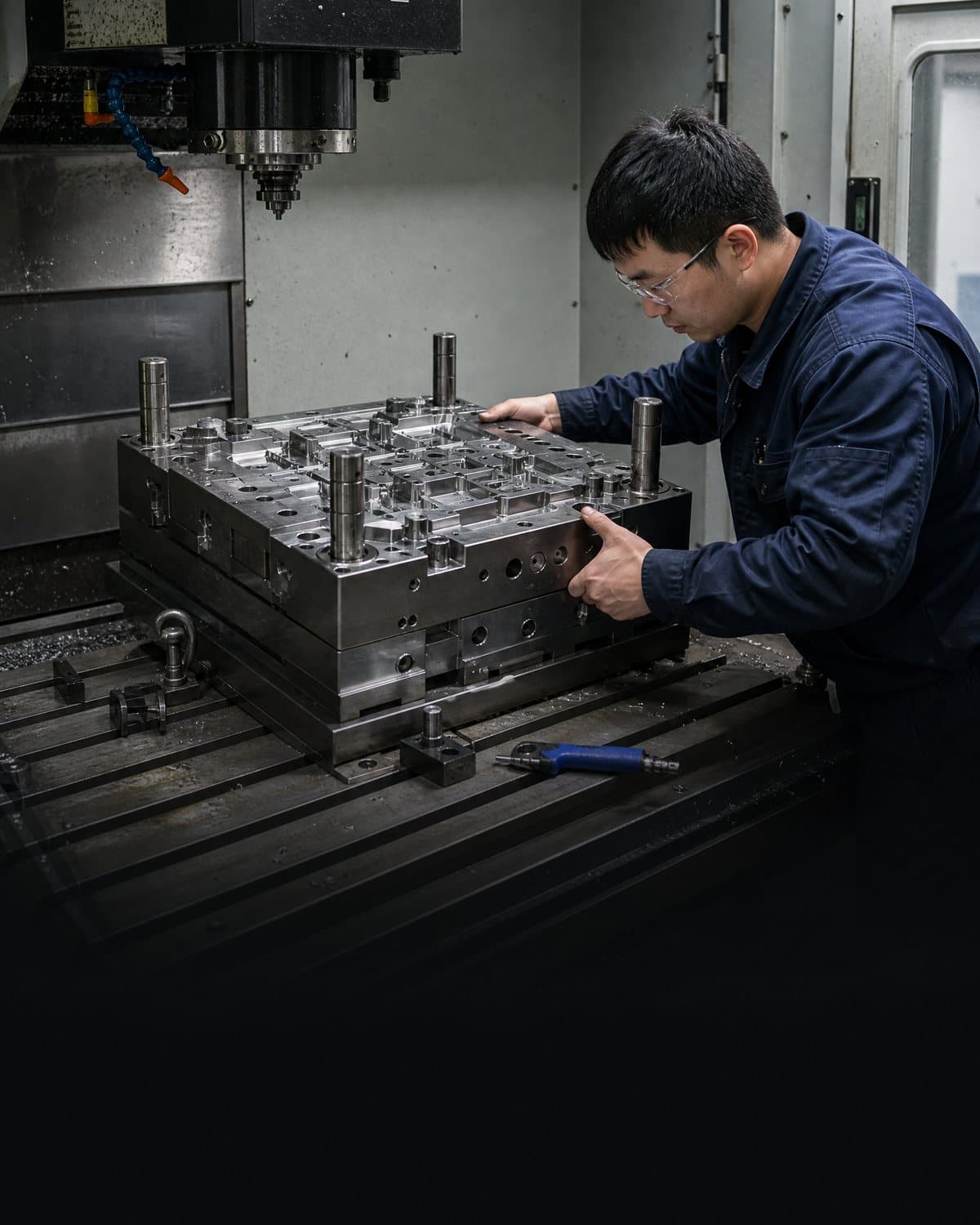
Tooling for repeatable output
Injection mold making for
production programs.
Plan custom injection molds around part function, tool life, cavity strategy, trial evidence, maintenance and future production needs.
InjeForm
For OEM and product teams across Europe, North America & the Middle East
A practical sourcing route
Make the next
decision clearer.
A production mold is a long-lived manufacturing asset, not just a one-time steel purchase. InjeForm helps buyers define the tool architecture, steel direction, cavity strategy, runner system, trial plan, handover package and maintenance expectations that support the intended program.
Buyer-led scopeEngineering evidenceControlled handover
Project fit
Where this route
helps most.
Start with the questions that affect tooling, quality, timing and total program risk.
Multi-cavity, family, insert, overmold or hot-runner tools
Buyers who need clear tooling ownership, acceptance and maintenance terms
What buyers can align
Evidence that supports
the next gate.
Scope the work around decisions and records—not broad promises.
Tool concept and commercial assumptions
Defined with the part, tool, material, volume and acceptance requirements in scope.
Mold design review and component strategy
Defined with the part, tool, material, volume and acceptance requirements in scope.
T0/T1 trial evidence and sample disposition
Defined with the part, tool, material, volume and acceptance requirements in scope.
As-built, maintenance and spare-parts handover package
Defined with the part, tool, material, volume and acceptance requirements in scope.
Decision framework
Compare the
trade-offs.
| Tooling decision | Typical trade-off | Buyer should confirm |
|---|---|---|
| Cavity count | Lower tool cost vs. higher output and balance complexity | Forecast, cycle, cavity consistency and backup plan |
| Runner system | Initial investment vs. runner scrap and processing control | Material, volume, colour changes and maintenance route |
| Steel direction | Tool life, corrosion, polish, wear and cost | Resin abrasiveness, expected life and service conditions |
How the conversation moves
From brief to
controlled next step.
Use the first conversation to identify what is known, what is open and what evidence should come next.
- 01
Freeze part, volume, material, appearance and tool-life assumptions.
- 02
Review mold architecture, steel, runners, cooling, ejection and maintenance access.
- 03
Approve build milestones and T0/T1 acceptance evidence.
- 04
Receive the controlled tool and handover records before production release.
Buyer questions
Clear answers before
you commit.
How should injection mold tool life be specified?+
Define tool-life expectations together with resin, cycle assumptions, maintenance, wear components and acceptance evidence. A generic shot-count promise without those conditions is incomplete.
Should I choose a hot runner or cold runner mold?+
The right choice depends on volume, material, part layout, cosmetic requirements, colour changes, maintenance capability and total cost—not only the initial tooling price.
What should a mold handover include?+
Agree the as-built drawing or model, component and spare-parts list, cooling and electrical information, trial records, maintenance instructions, change history and open actions.
Start a technical conversation
Bring us your
next part.
Share the drawing, resin, target volume, market and timing. We will return with focused questions and a practical next step.